

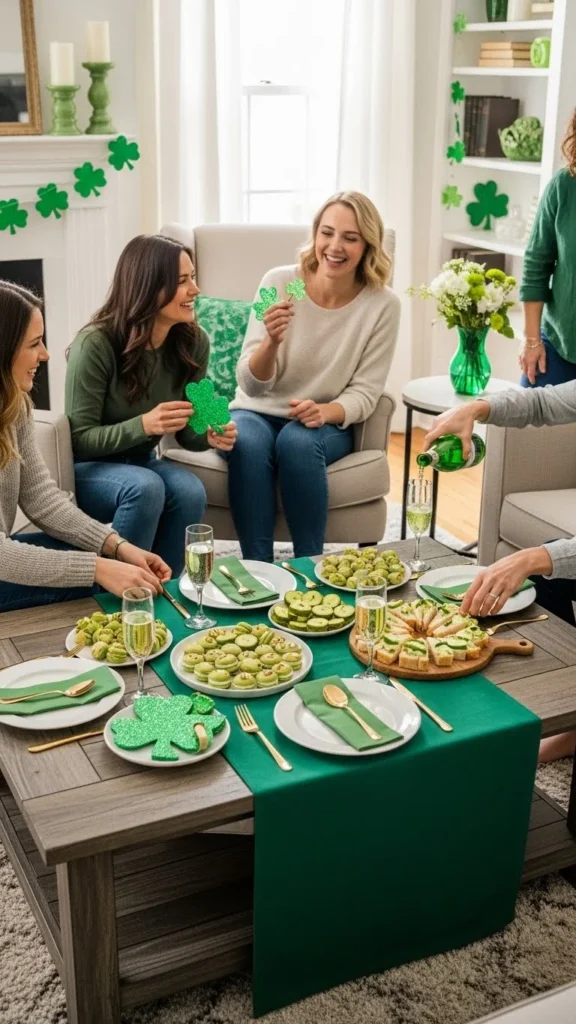
Planning a St Patrick’s Day celebration can feel overwhelming when time is tight. Decorations, food, activities, and guests all compete for attention. The good news is that smart planning choices can simplify everything. With a few intentional shortcuts and realistic ideas, you can pull together a fun, festive gathering without stress or long prep hours. These tips focus on simple actions, budget-friendly swaps, and DIY ideas that actually work in real homes. Whether you’re hosting friends, family, or coworkers, these planning tips help you stay organized while still enjoying the day yourself.
1. Pick One Main Theme and Stick to It
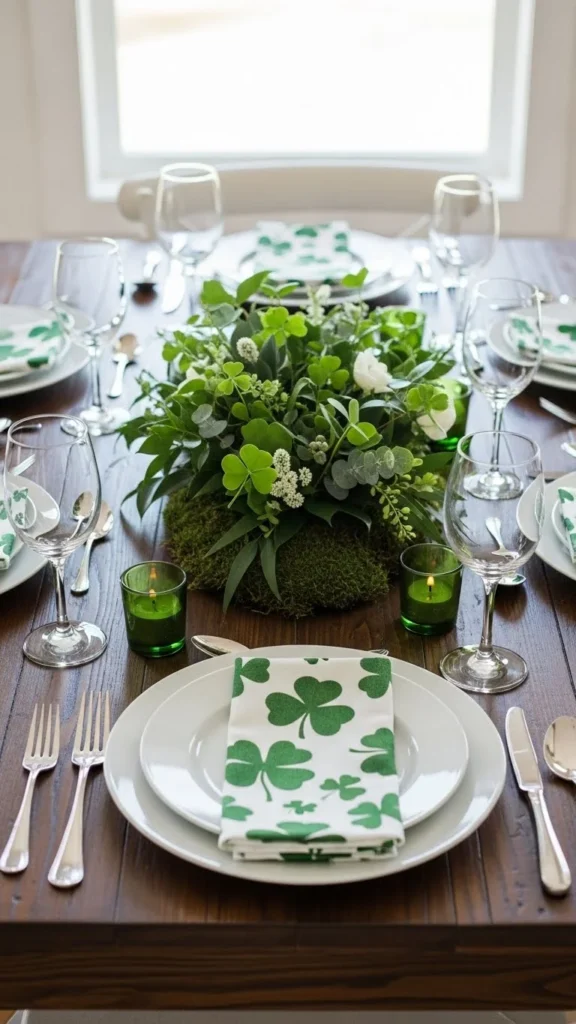
Choosing one clear theme saves time from the start. A simple green-and-gold look works well and keeps decisions quick. When everything follows one idea, shopping becomes faster. You avoid buying extras that do not fit.
Focus on one main color and one accent. Use items you already own. Green throw pillows, tablecloths, or candles often work. Add paper shamrocks for detail.
DIY ideas help too. Cut shamrocks from cardstock. Tape them to walls or string them into a banner. This takes minutes and costs very little.
A single theme also helps guests know what to wear. Suggest a color instead of full costumes. That saves everyone effort.
When choices feel limited, planning moves faster. You spend less time debating details and more time enjoying the day. This approach keeps everything simple and pulled together without extra work.
2. Plan the Schedule Before Buying Anything
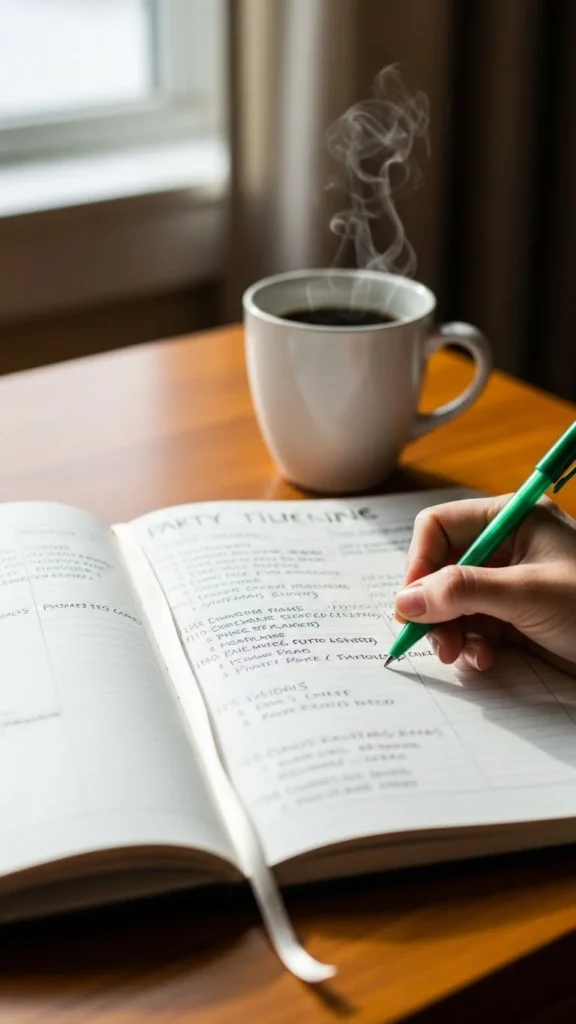
A loose schedule keeps the day running smoothly. Write down start time, food time, and one or two activities. This step prevents overplanning.
When you know the timing, shopping gets easier. You buy only what fits the plan. No guessing. No last-minute rush.
Keep the schedule flexible. Leave space for chatting and relaxing. A calm flow feels better than packed plans.
Use your phone notes or a simple notebook. This takes five minutes and saves hours later.
A clear plan also helps helpers. Friends or family know when to arrive or assist. That shared clarity saves repeated questions.
By planning time first, everything else falls into place quickly. It keeps preparation focused and stress low.
3. Use What You Already Own First
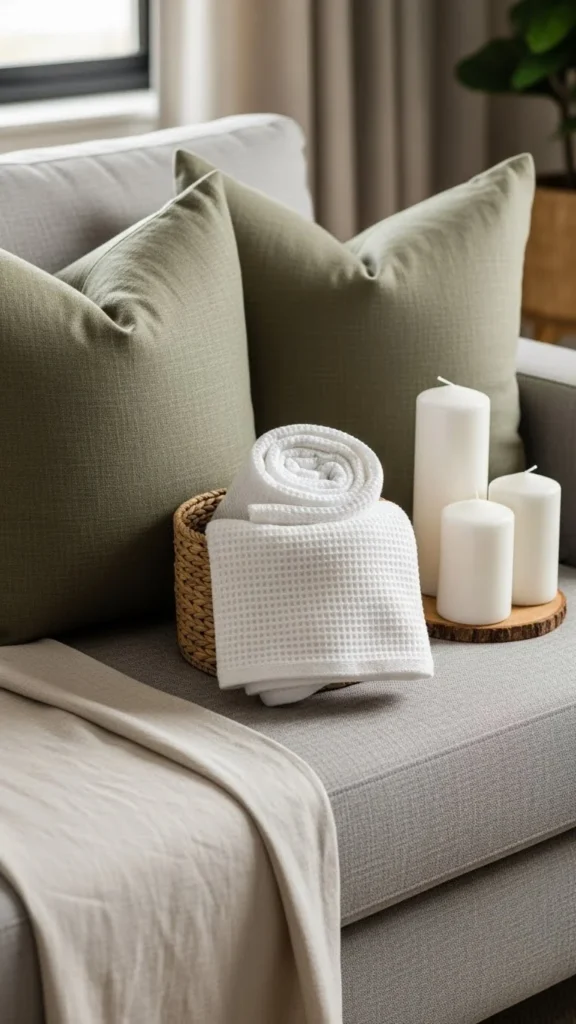
Shopping feels tempting, but start at home. Look through storage bins and closets. Many items can work with small changes.
White candles pair well with green decor. Neutral plates fit any theme. Baskets hold snacks or napkins.
Wrap jars with green ribbon. Place clovers or paper cutouts inside glass containers. These small changes feel festive without spending much.
This step cuts shopping time completely. It also avoids clutter after the event.
Using what you own keeps the setup personal and relaxed. Guests notice the effort, not the price tag.
This habit also builds confidence for future events. You learn how much you already have, which saves time every holiday.
4. Choose Decorations That Go Up Fast
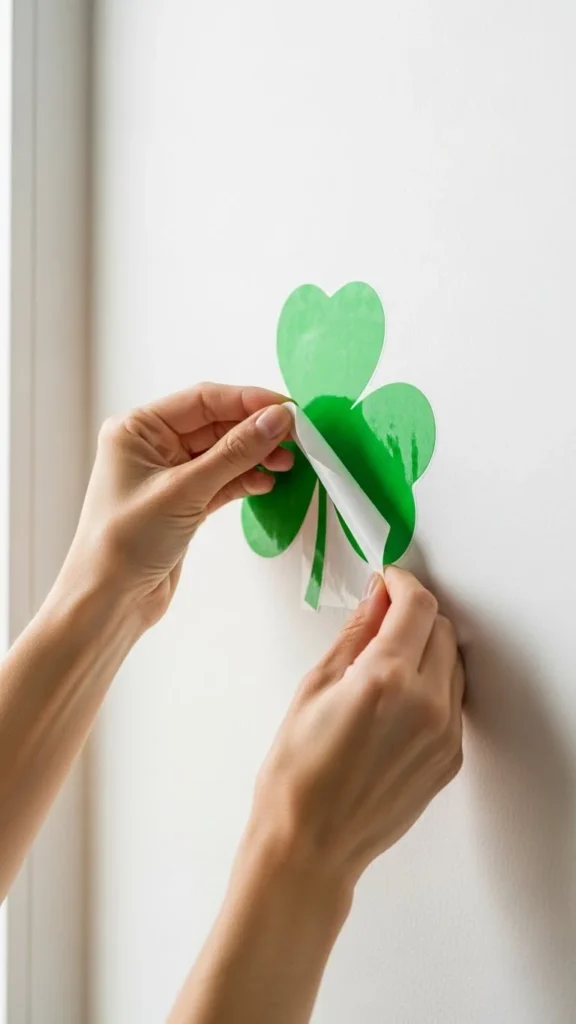
Fast decor makes a big difference. Wall decals, table runners, and banners take minutes to set up.
Avoid items that need tools or assembly. Stick-on decor and lightweight garlands work best.
Paper banners can be taped or pinned quickly. Table decor should stay simple. One centerpiece per table is enough.
If cleanup matters, choose reusable items. Fabric runners fold away easily.
Quick setup means more time for food prep or relaxing. It also keeps your energy steady throughout the day.
Simple decor still looks thoughtful. Speed does not mean boring. It means practical and calm.
5. Limit Food Choices to a Short List
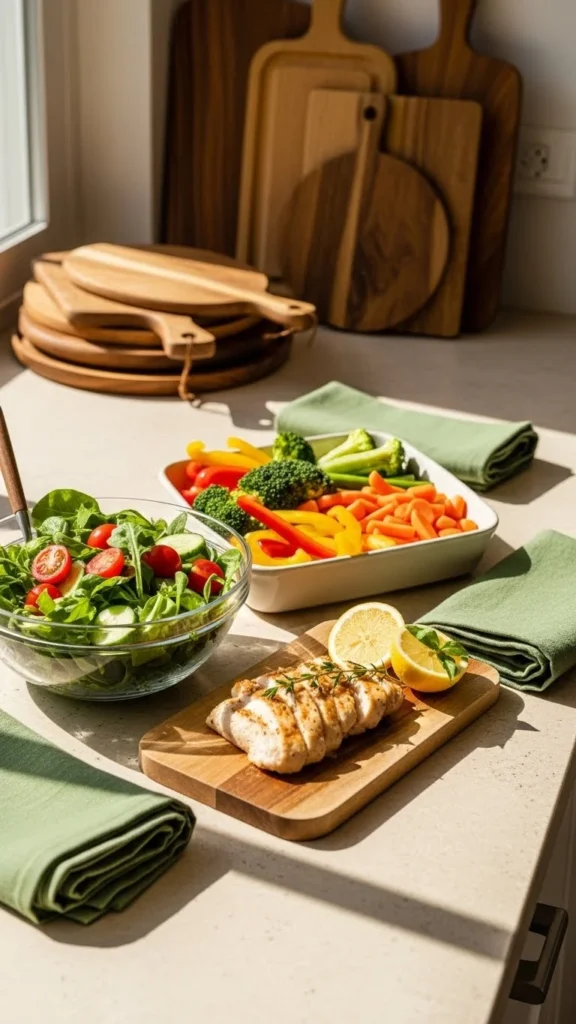
Too many dishes slow everything down. Pick three to five easy options. That is plenty for guests.
Choose items that can be made ahead. Baked snacks, dips, or simple sweets work well.
Stick with familiar flavors. Guests enjoy food they recognize.
Use store-bought shortcuts when possible. Add a small DIY touch like themed labels or serving trays.
Less food means less prep, less cleanup, and less stress. It also helps with budgeting.
A short menu keeps the focus on celebrating, not cooking all day.
6. Prep One Day Early
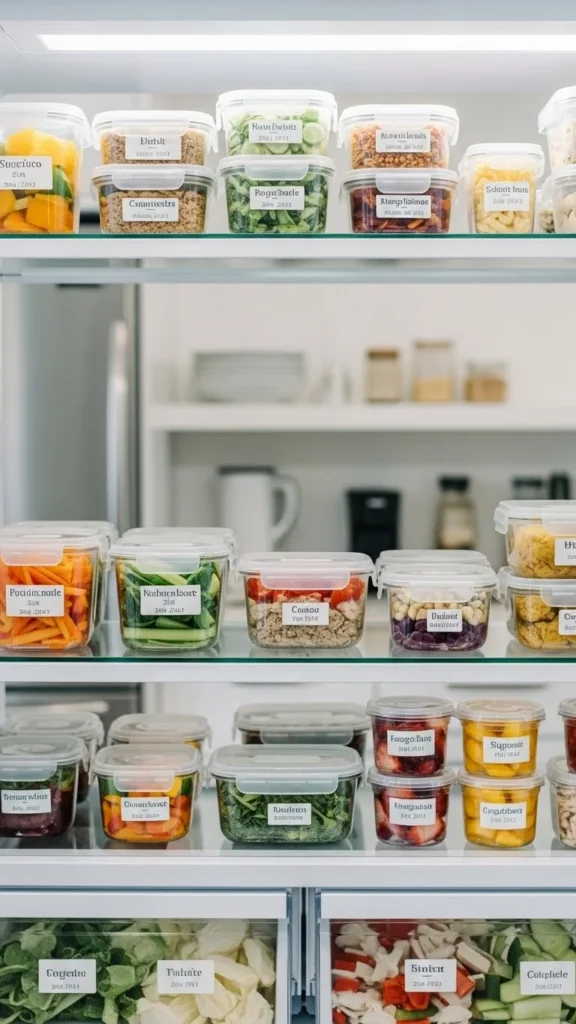
Doing small tasks early saves time on the event day. Chop items, portion snacks, or set tables the night before.
Even ten minutes of prep makes a difference.
Store items clearly so you grab them easily later.
Early prep also helps spot missing items. You avoid last-minute store runs.
This habit creates a calm event morning. You feel ready instead of rushed.
Simple early prep often feels like a gift to yourself.
7. Use Disposable or Reusable Tableware
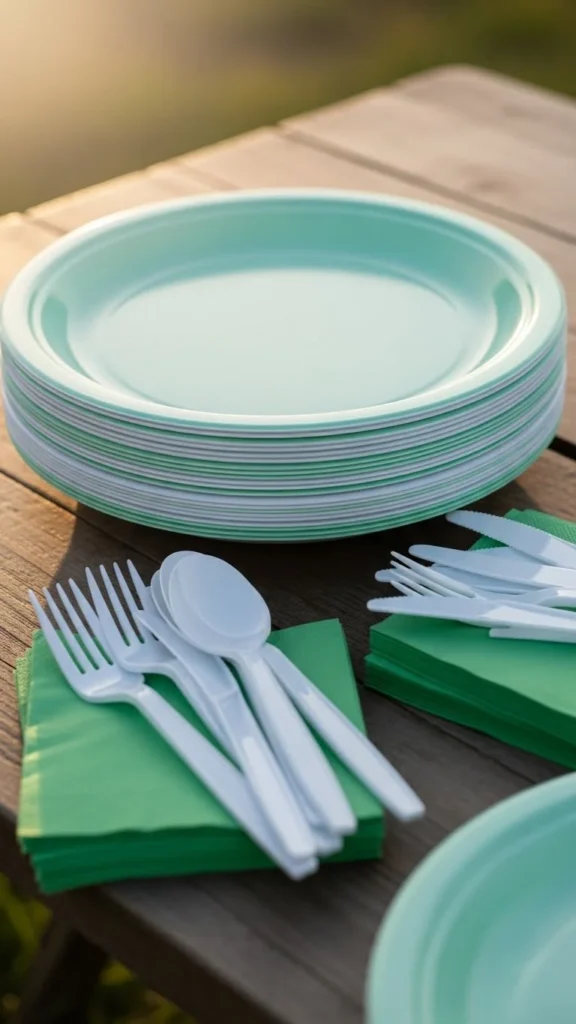
Cleaning takes time. Disposable or reusable tableware reduces it greatly.
Choose sturdy options that look nice. Green plates or napkins add color instantly.
If you prefer reusable, stick to one set. Avoid mixing styles.
This choice saves hours after guests leave.
Less cleanup means more rest. That matters after hosting.
Simple tableware keeps the focus on people, not dishes.
8. Set Up a Self-Serve Snack Station
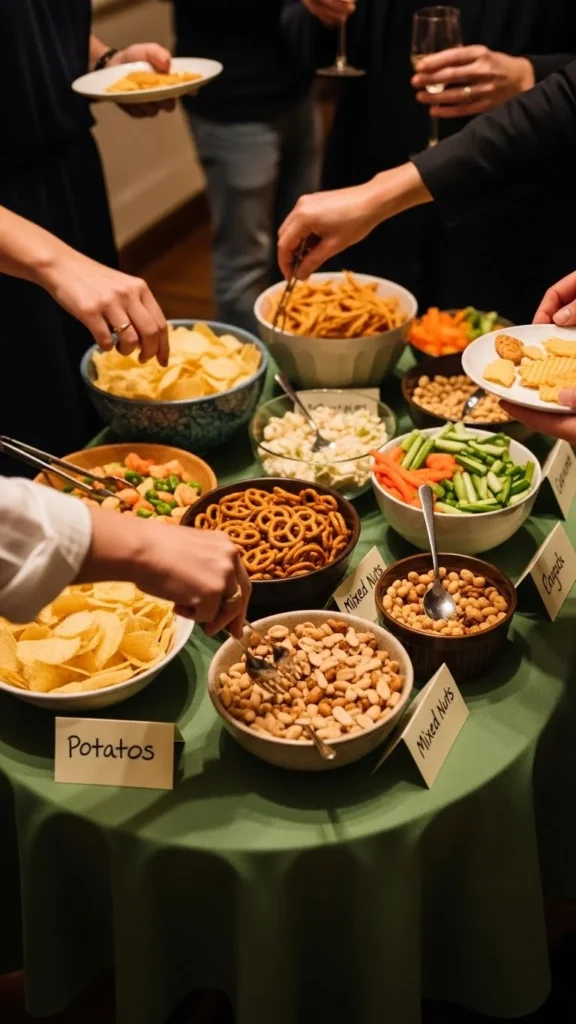
A snack station removes hosting pressure. Guests help themselves.
Place everything in one spot. Add napkins and plates nearby.
Choose snacks that do not need reheating.
This setup lets you relax and join conversations.
Self-serve stations work well for all group sizes.
They save time before and during the event.
9. Keep Music Simple
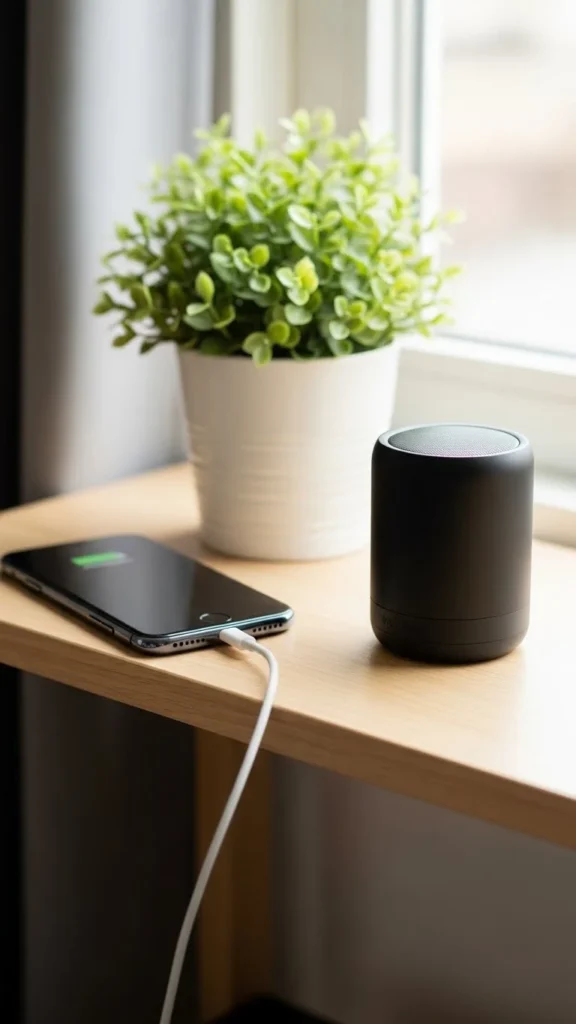
Create one playlist ahead of time. Press play and forget it.
Avoid switching songs or managing requests.
Keep volume comfortable. Background music works best.
This small step saves mental energy.
Music sets the mood without effort when planned early.
10. Assign Small Tasks to Helpers
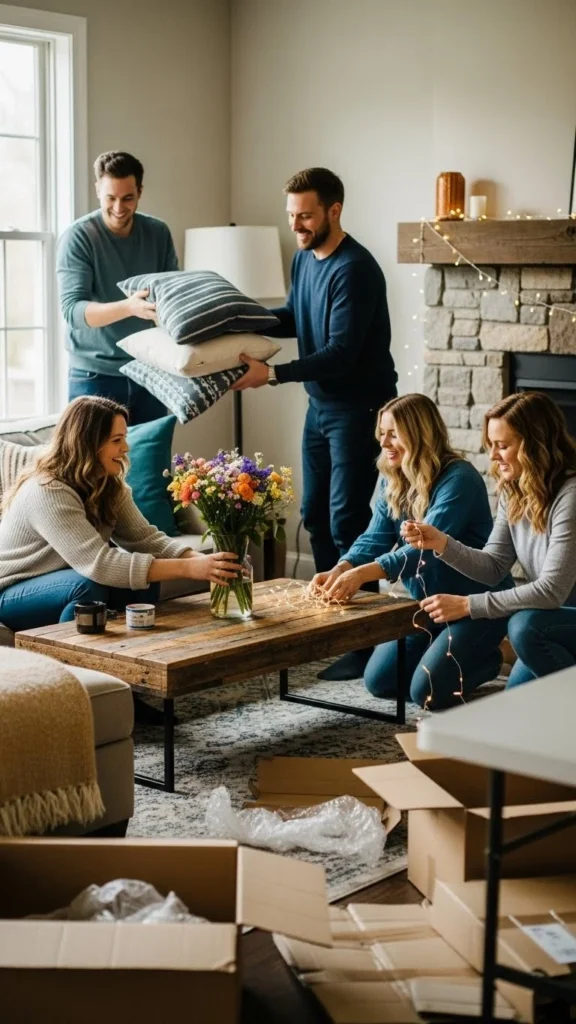
Sharing tasks saves time. Ask one person to help with setup or food.
Keep tasks clear and small.
People often enjoy helping when asked simply.
This creates teamwork and lowers stress.
Hosting feels lighter when not done alone.
11. Choose Easy Activities
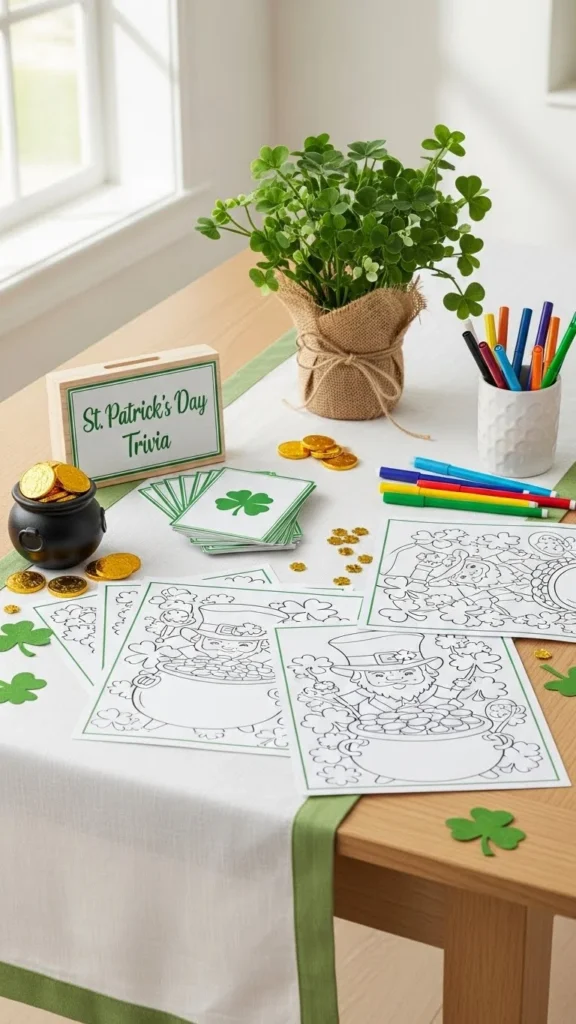
Skip complicated games. Trivia cards or coloring pages work well.
Set them out and let guests join when ready.
No instructions needed.
Simple activities keep the mood relaxed and save prep time.
12. Use Digital Invitations
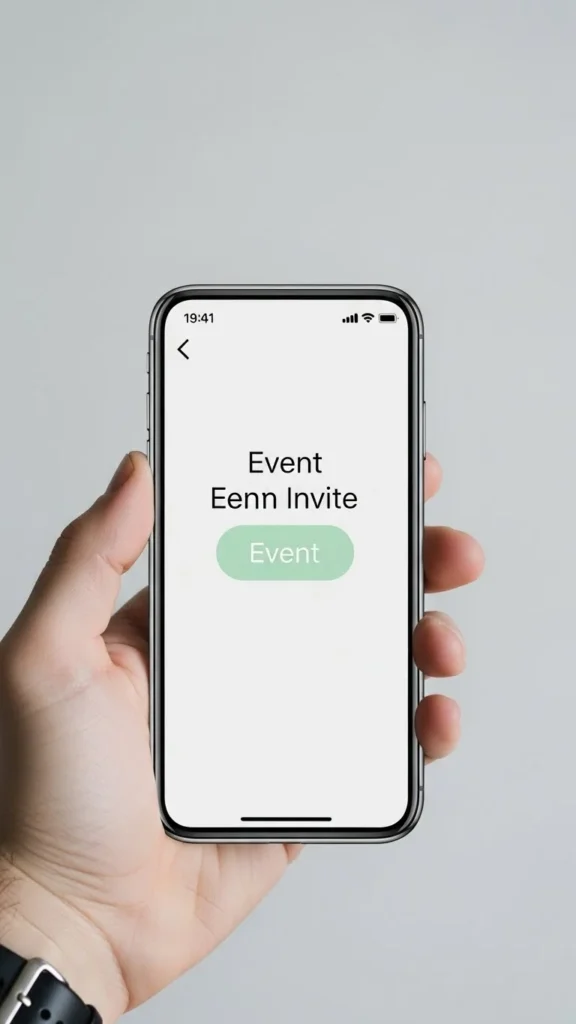
Digital invites save time and money.
Send details once and update easily.
No printing. No mailing.
This keeps communication clear and quick.
13. Plan Seating Loosely
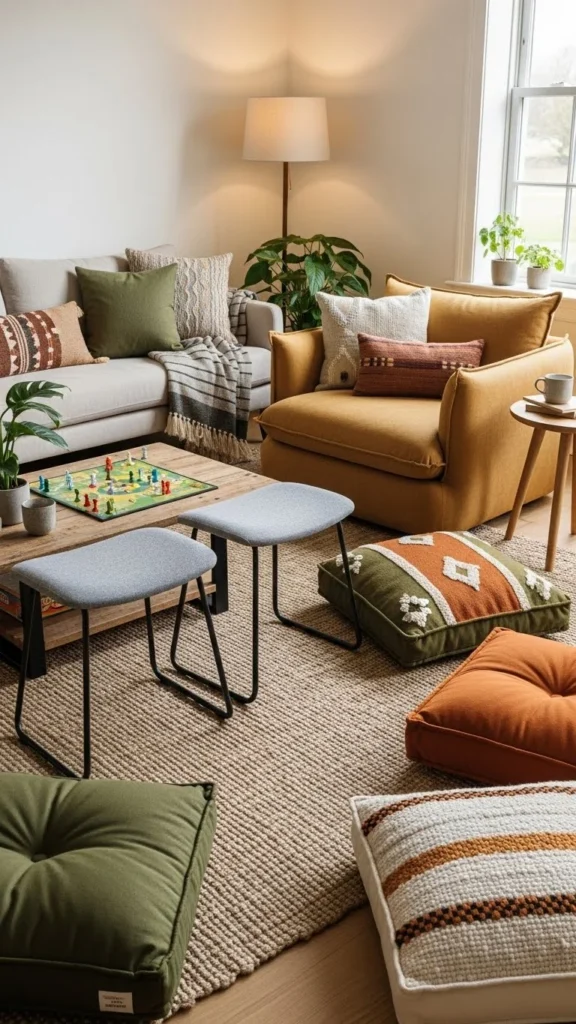
Avoid strict seating plans. Let guests choose spots.
Use chairs, stools, or cushions.
Flexible seating feels welcoming and saves setup time.
14. Keep Decorations Low
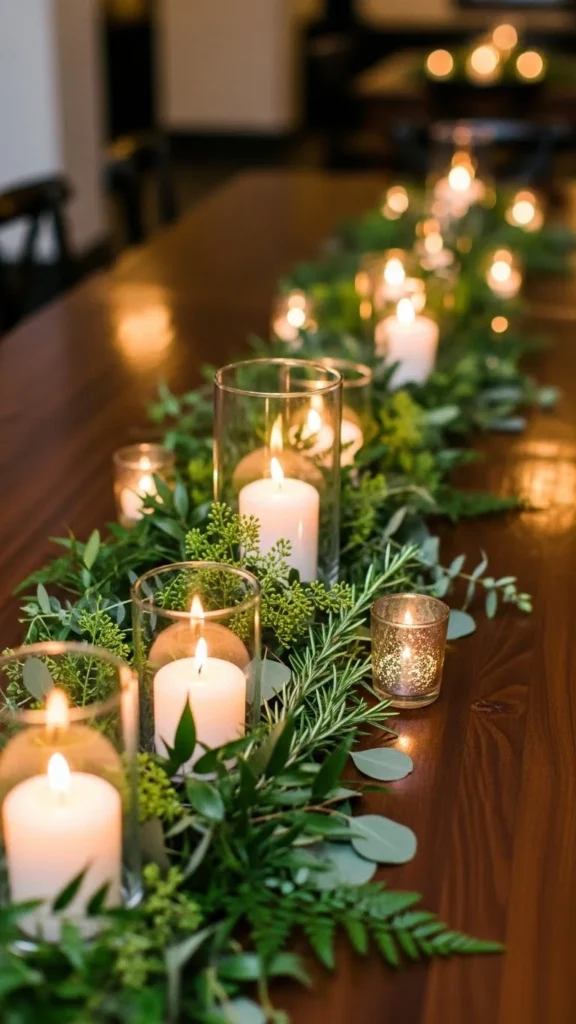
Low decor keeps tables usable.
It also reduces setup effort.
Simple centerpieces work well and clean up fast.
15. Label Items Clearly
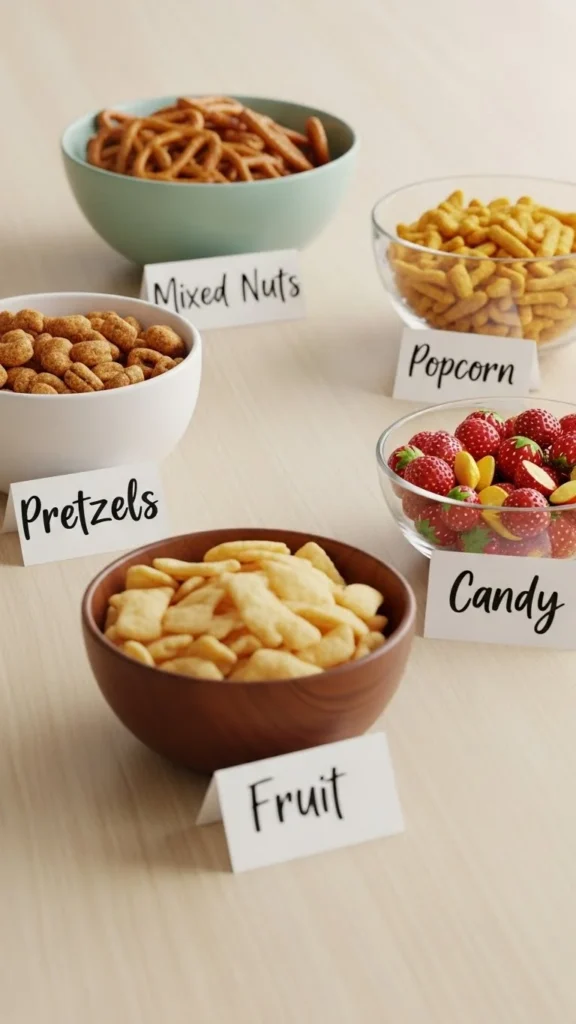
Labels stop repeated questions.
Guests know what is where.
This saves your time during the event.
16. Choose One Signature Dessert
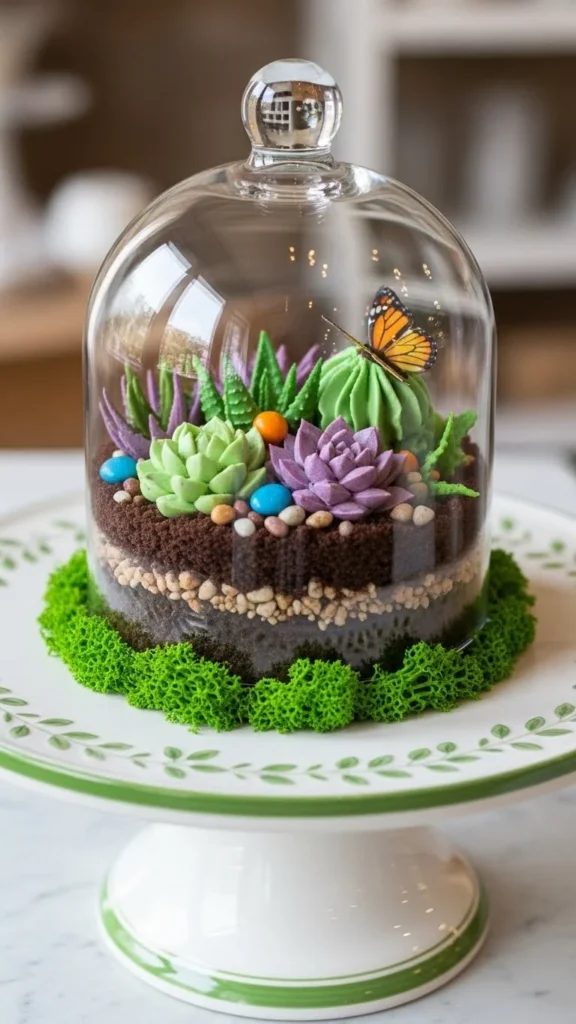
One dessert is enough.
Make it themed and simple.
This avoids baking overload and saves cleanup.
17. Create a Small Decor Zone
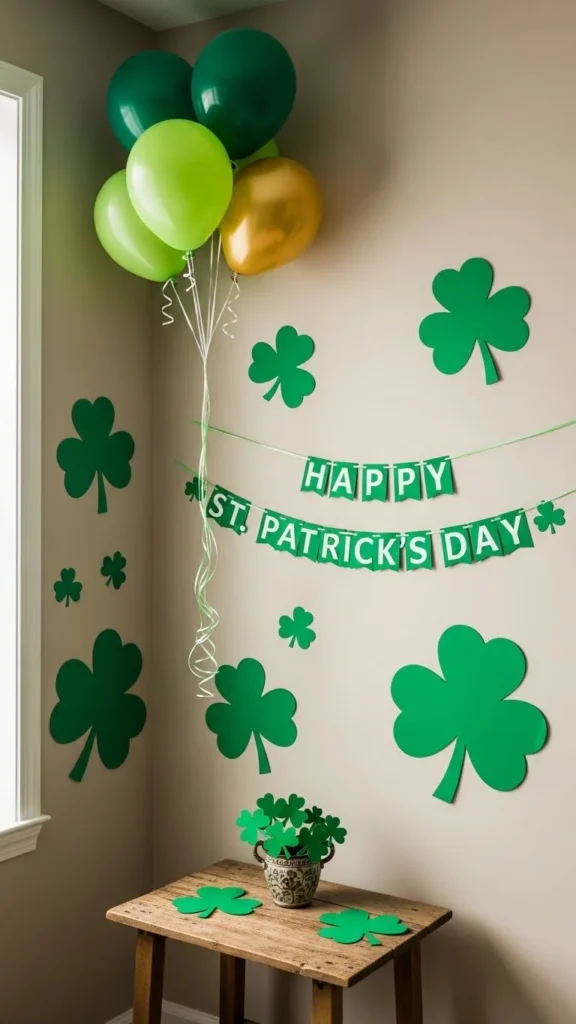
Decorate one main area.
Photos look great.
Less work, strong impact.
18. Keep Supplies Visible
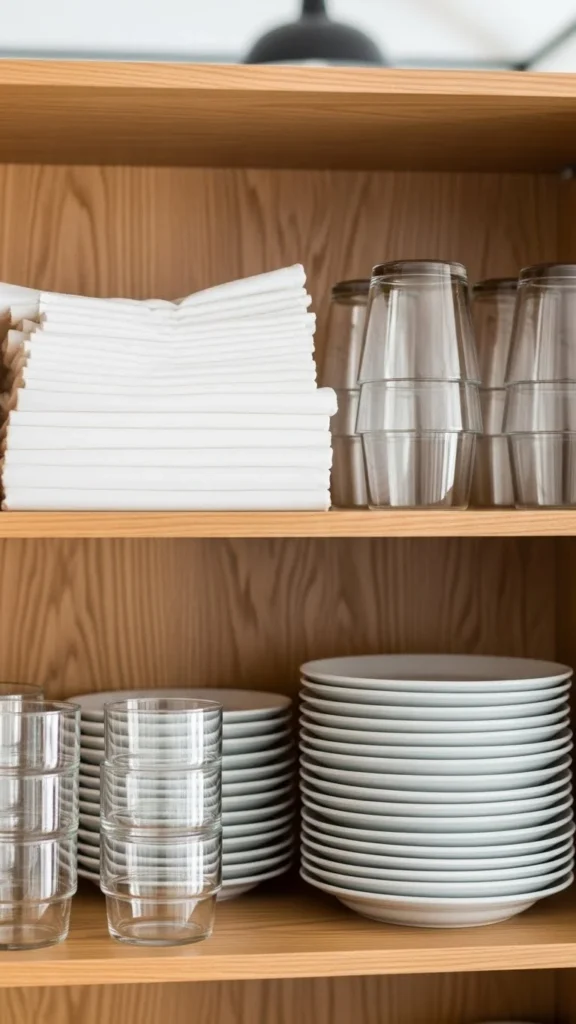
Visible supplies reduce questions.
Guests help themselves easily.
19. Set a Clear End Time
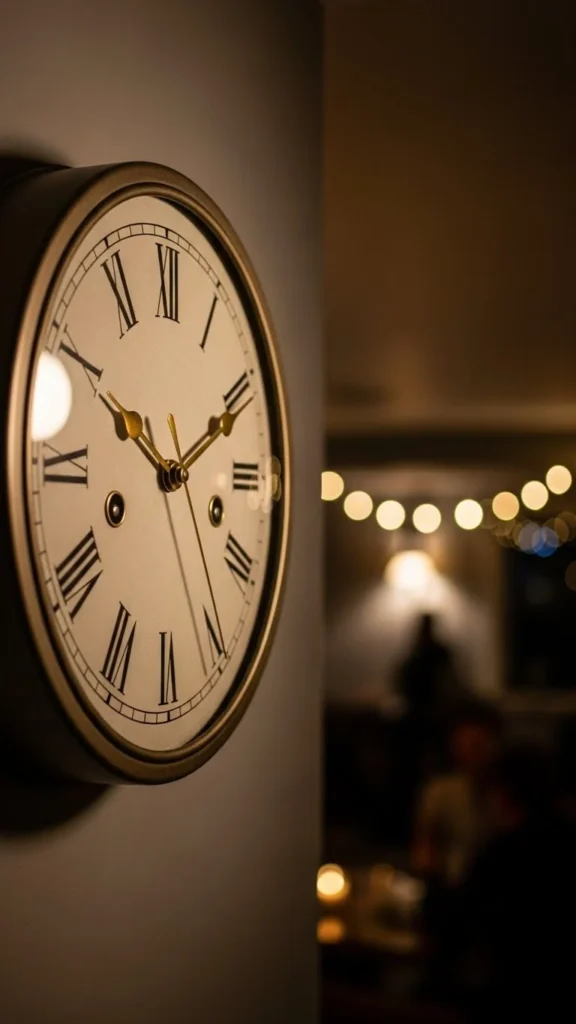
A clear end time helps planning.
Cleanup feels easier when expected.
20. Simplify Cleanup Plans
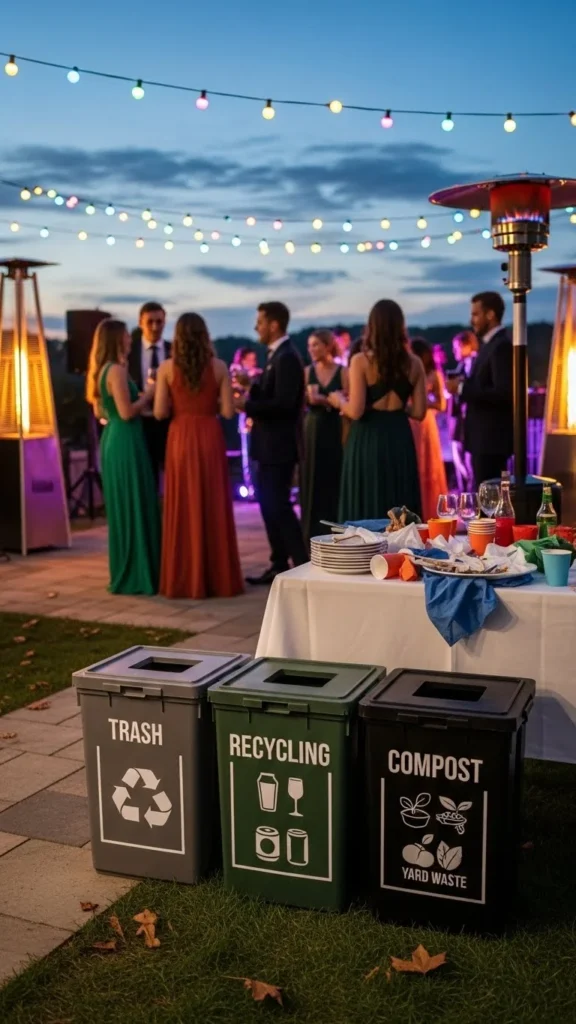
Plan cleanup spots early.
Bins nearby save time later.
21. Stick to One Store for Shopping

One store saves travel time.
Buy basics and move on.
22. Skip Perfection

Small flaws do not matter.
People remember moments, not details.
23. Plan Time for Yourself
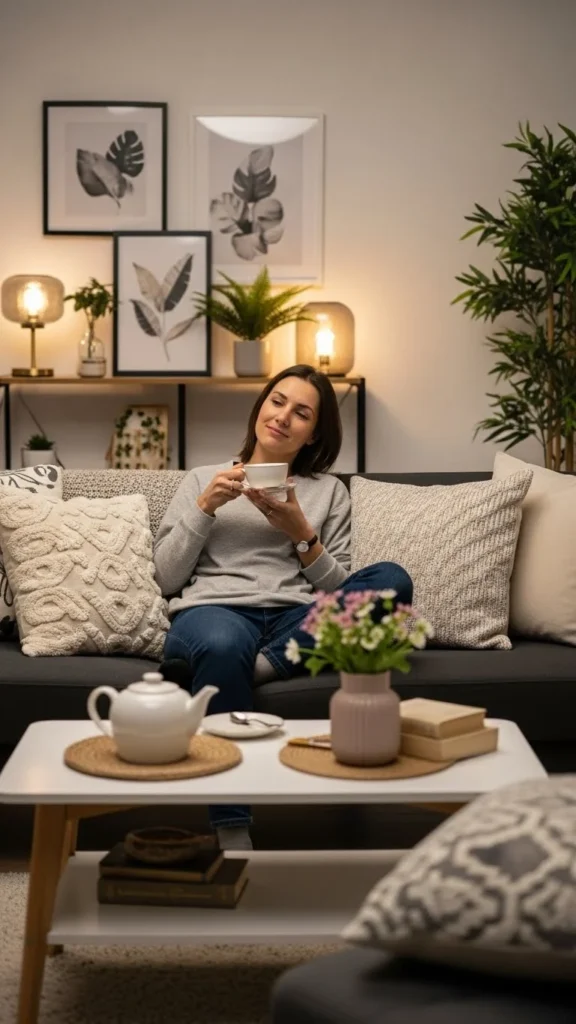
Leave space to enjoy the day.
That is the real goal.
Conclusion
Smart planning makes St Patrick’s Day celebrations easier and more enjoyable. By focusing on simple themes, quick setups, and realistic choices, you save time and energy. These tips help you host with confidence while staying relaxed. Pick a few ideas that fit your space and start there. A calm plan leads to a better celebration for everyone involved.
Leave a Reply