

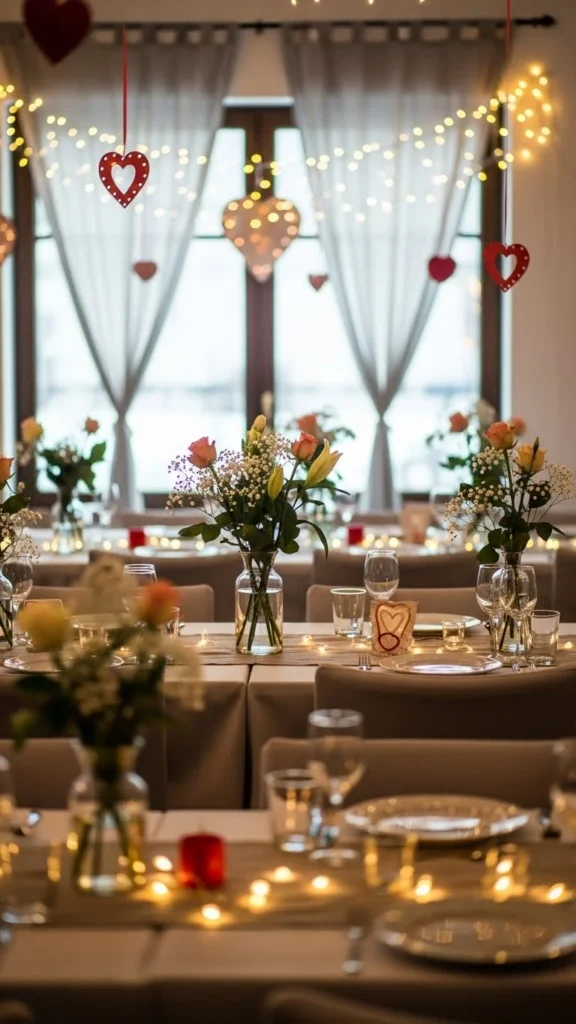
Valentine’s Day events don’t have to feel overwhelming. Many people search for simple ways to plan gatherings that feel thoughtful without extra pressure or expense. This guide focuses on calm, practical setup ideas that save time, money, and energy. Each idea below helps you plan with confidence, keep costs manageable, and create a warm setting that guests enjoy. Everything here is realistic, flexible, and easy to adapt for homes, classrooms, offices, or community spaces.
1. Start With a Simple Color Theme
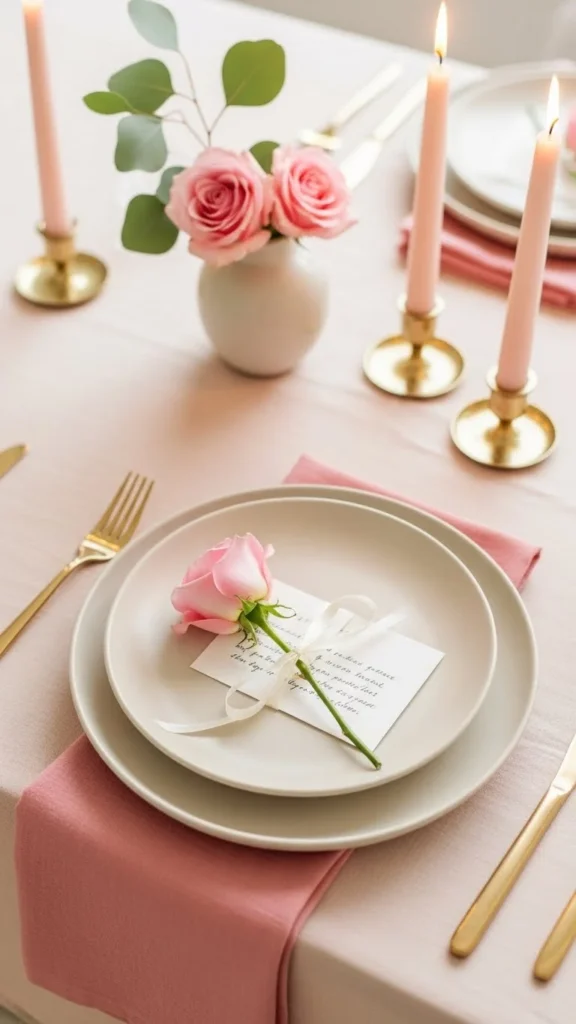
Choosing one or two colors makes planning easier from the start. Pink and cream work well, but red and white or blush and gray also fit nicely. When colors stay consistent, decorations look coordinated without extra effort.
Use items you already own. Pillow covers, table linens, or candles can match the theme with no new purchases. Paper goods from discount stores often come in solid colors that fit many events.
This approach also helps when shopping. You can skip anything that doesn’t match. That saves time and prevents clutter. Guests notice the calm look, even when decorations stay minimal.
For DIY touches, wrap jars with ribbon in your chosen colors. Use construction paper for simple heart cutouts. Keep everything within the same palette for a clean result that feels planned without stress.
2. Use One Main Table as the Focus
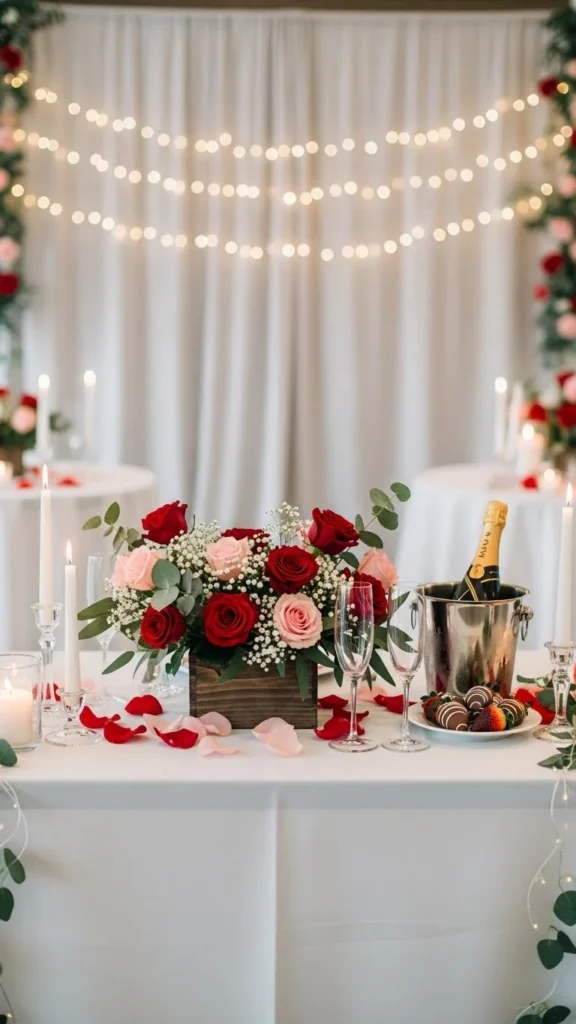
Instead of decorating every surface, choose one main table. This could be a snack table, gift table, or welcome area. Guests naturally gather there, so it makes sense to put your effort in one spot.
Add a tablecloth, a few candles, and one central decoration. Keep nearby areas simple. This saves setup time and cuts costs.
If space is small, the main table can do double duty. It might hold snacks early and activities later. That reduces extra furniture and keeps things organized.
A focused setup also helps with cleanup. When most decorations stay in one area, packing up feels quicker and calmer.
3. Rely on Soft Lighting Instead of Extra Decor

Lighting changes the mood fast. String lights, table lamps, or battery candles create warmth without clutter. They work well for evening events or indoor spaces.Use what you already own.
Holiday lights often work year-round. Drape them along walls, shelves, or tables. Battery options remove the hassle of cords.
Soft lighting reduces the need for many decorations. Guests focus on the atmosphere rather than details. It also makes photos look better with little effort.
Keep lighting gentle. Avoid bright overhead lights if possible. The result feels relaxed and welcoming without extra planning.
4. Choose Disposable Table Covers for Easy Cleanup
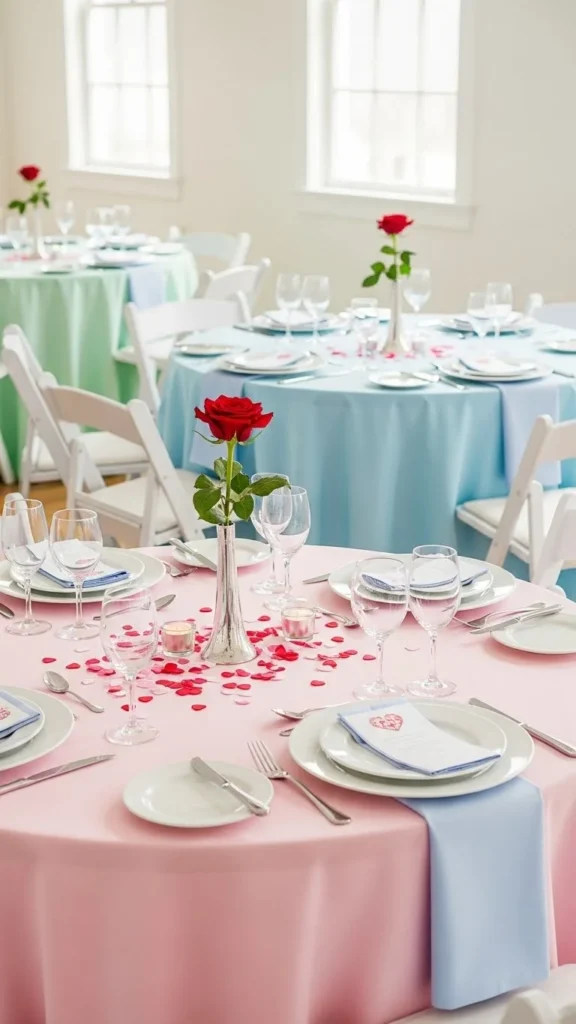
Disposable table covers save time before and after the event. They protect surfaces and simplify cleanup, especially for group gatherings.
Choose solid colors to avoid busy patterns. Paper or plastic options work well and stay budget-friendly. Trim edges if needed for a cleaner look.
Pair them with simple centerpieces like jars or small trays. Guests won’t notice the disposable base when the table looks tidy.
At the end, roll everything up and toss it. This reduces stress and keeps the event feeling manageable from start to finish.
5. Plan Seating With Flexibility in Mind
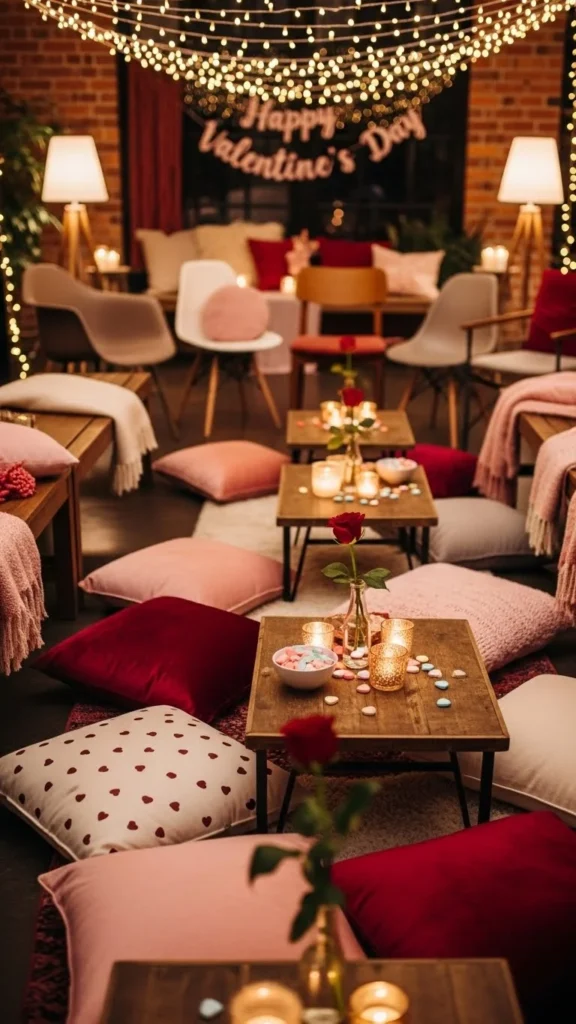
Avoid rigid seating plans. Flexible seating lets guests move comfortably and reduces setup pressure. Mix chairs, stools, and cushions if space allows.
This works well for casual events. People can sit where they feel comfortable. You don’t need matching furniture.
Borrow extra chairs if needed. Folding chairs work fine when covered with simple fabric or throws.
Less structure means fewer adjustments during the event. Guests relax more, and hosts feel less pressure to manage seating details.
6. Create a Self-Serve Drink Station
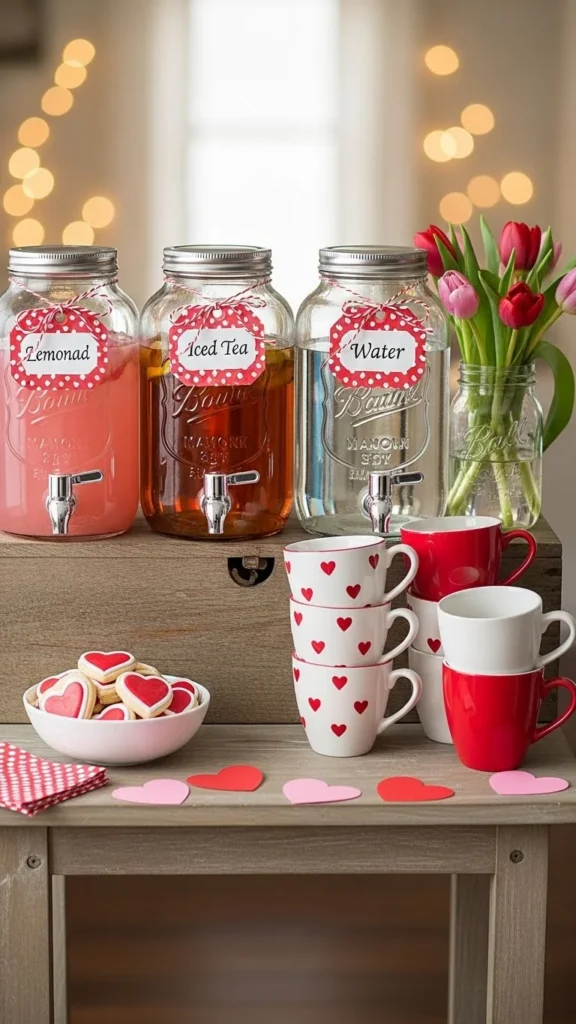
A self-serve drink station keeps guests moving without constant hosting. Use water, juice, or warm beverages that suit all ages.
Label cups with small tags or stickers. This prevents mix-ups and reduces waste.
Use trays to group items. That keeps the station tidy and easy to refill.
This setup saves time and lets you focus on enjoying the event instead of managing drinks.
7. Keep Decorations Low and Uncluttered
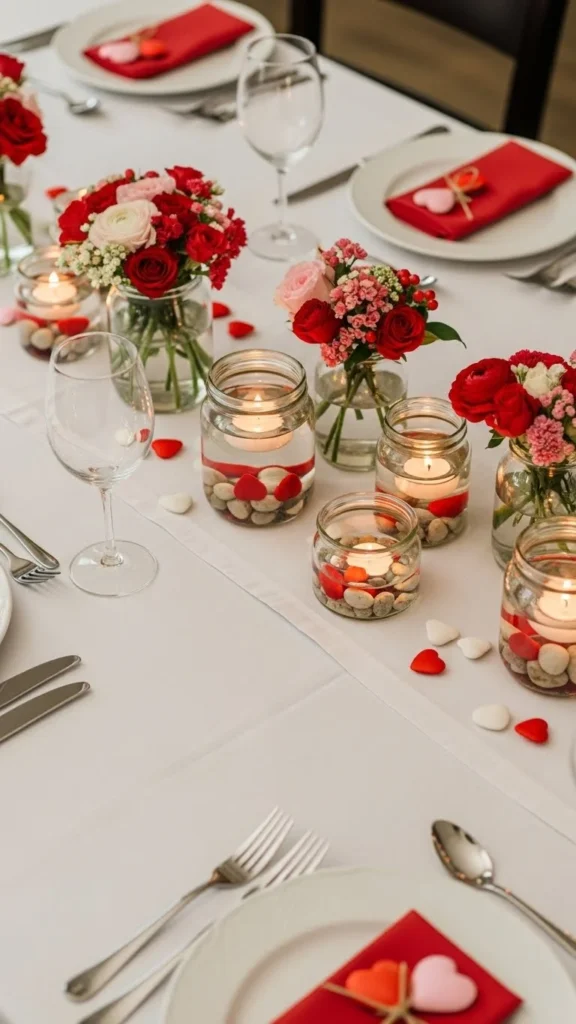
Low decorations keep tables functional. Guests can see each other and move items easily.
Use jars, small bowls, or trays with simple accents. Avoid tall pieces that block views or tip over.
This approach also simplifies storage and cleanup. Decorations stack easily and take up less space.
Simple layouts help the room feel calm rather than crowded.
8. Use Printable Decor at Home
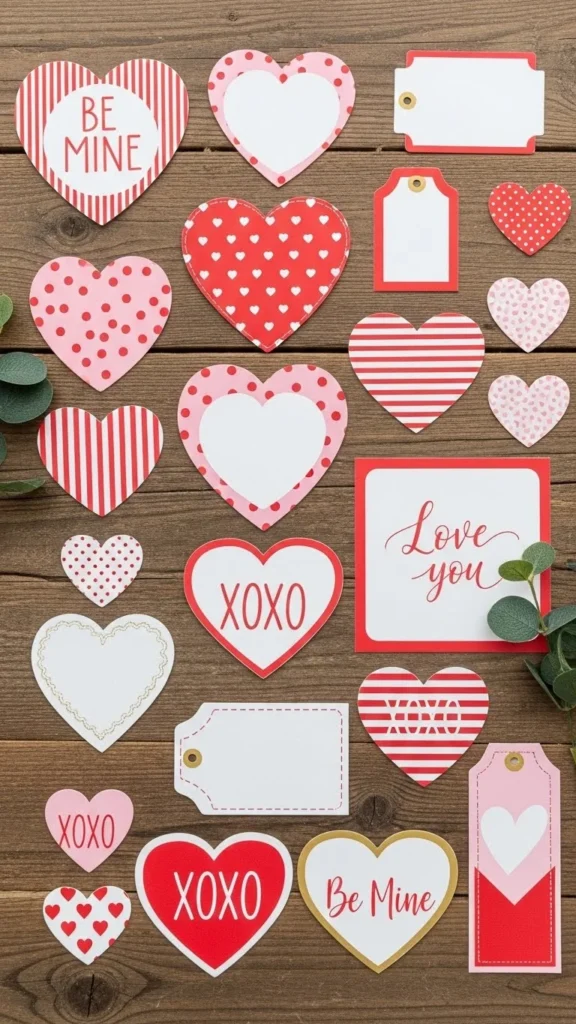
Printable decor saves money and time. Download simple designs and print at home.
Use card stock for durability. Cut shapes and place them on tables or walls with removable tape.
This method works well for last-minute events. You control colors and quantities.
After the event, recycle or store flat for later use.
9. Set Up One Group Activity Area
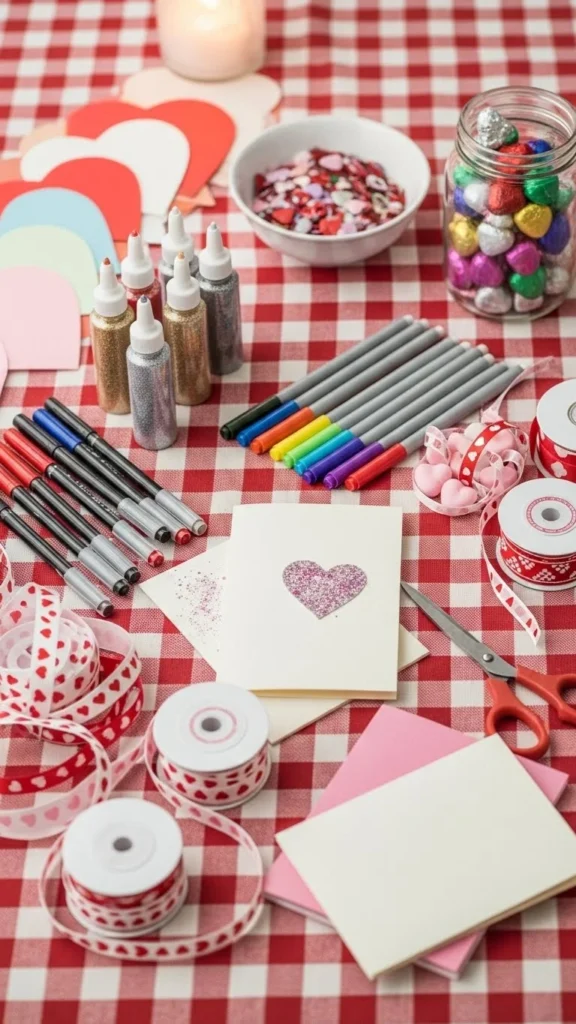
Group activities work best when kept in one area. This keeps supplies organized and limits mess.Use trays or bins to separate materials. Clear labels help guests know where to start.
One activity station also reduces noise and movement around food areas.Cleanup stays simple when everything belongs to one zone.
10. Choose Easy-To-Make Centerpieces
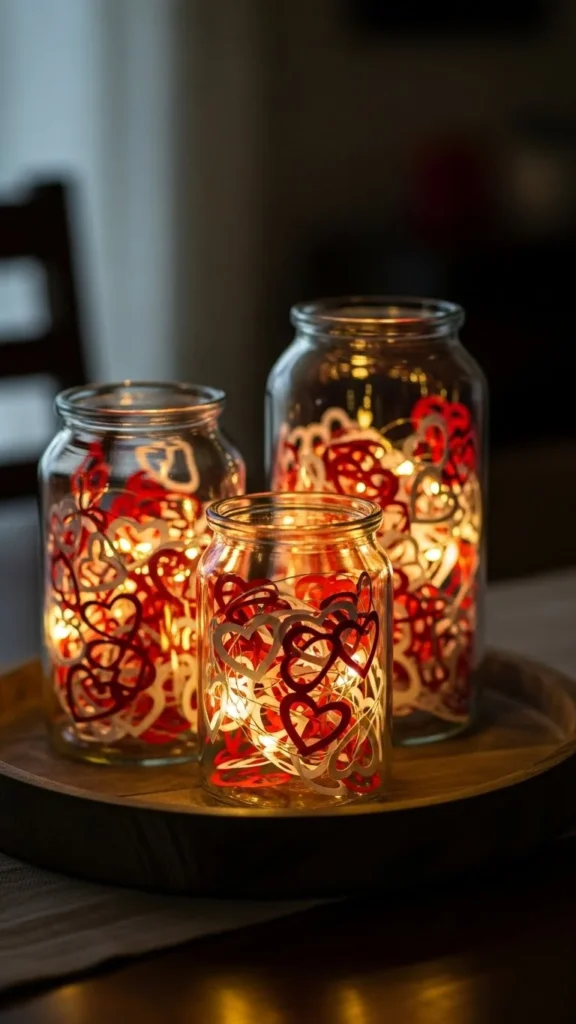
DIY centerpieces don’t have to be complex.
Use jars, paper hearts, or fabric scraps.
Assemble them ahead of time. This reduces last-minute stress.Stick to repeatable designs.
Making several of the same item saves time.Simple pieces still look thoughtful when placed evenly across tables.
11. Limit Wall Decor to One Section

Choose one wall or corner for decor.
This avoids overdoing it.Use garlands, paper shapes, or lights. Keep nearby walls clear.Guests naturally gravitate to decorated areas for photos.
Focusing decor keeps the space balanced and easy to manage.
12. Prep Supplies the Night Before
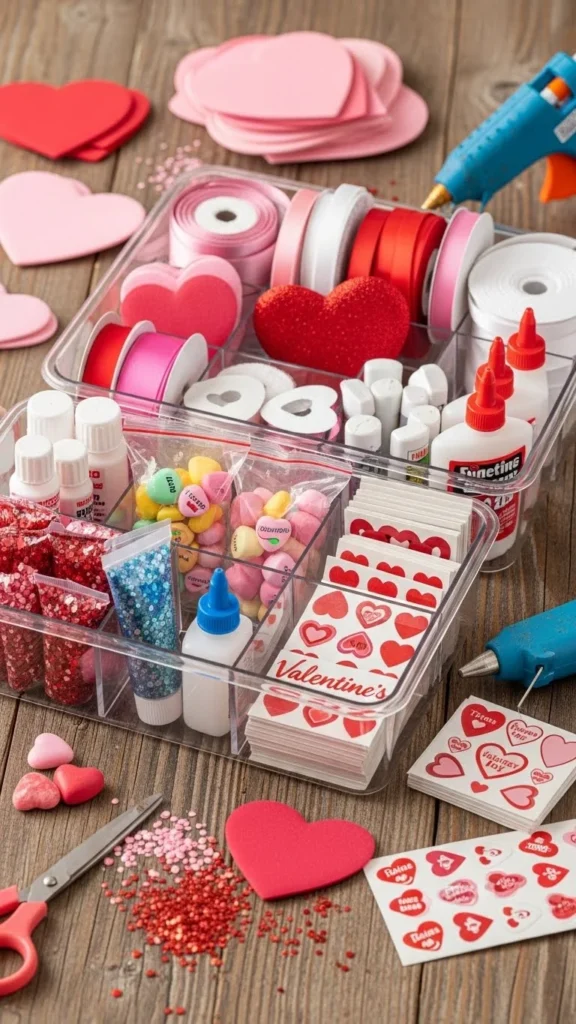
Preparation saves energy on event day. Lay out supplies early.Group items by purpose. Decor in one bin, food tools in another.
This reduces rushing and mistakes.When everything has a place, setup feels calm.
13. Use Labels for Organization
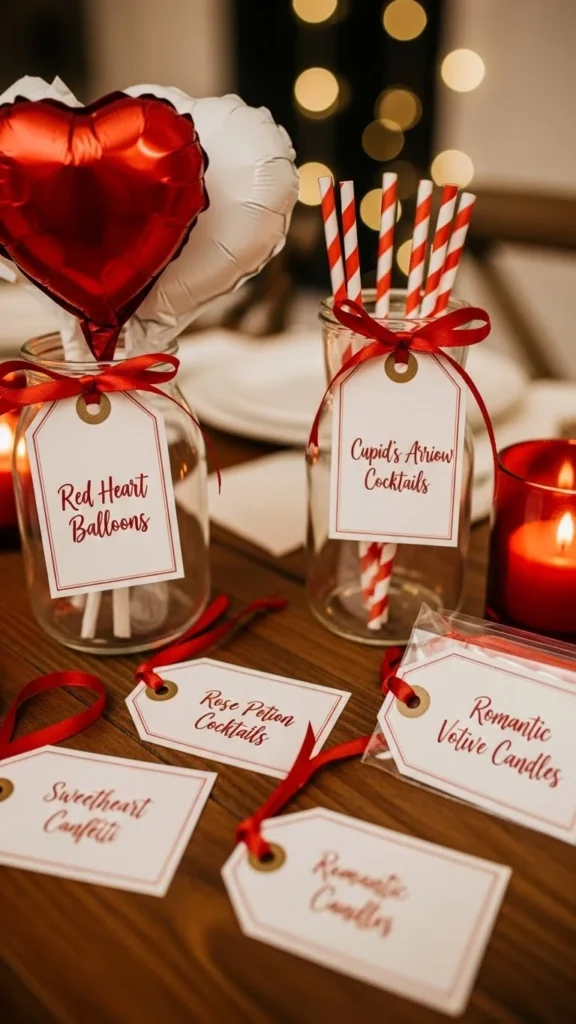
Labels help guests help themselves. Mark food areas, activity bins, or storage spots.
Use handwritten tags for a personal touch.This reduces questions and keeps things moving smoothly.
Simple labels prevent confusion without added effort.
14. Keep the Menu Simple
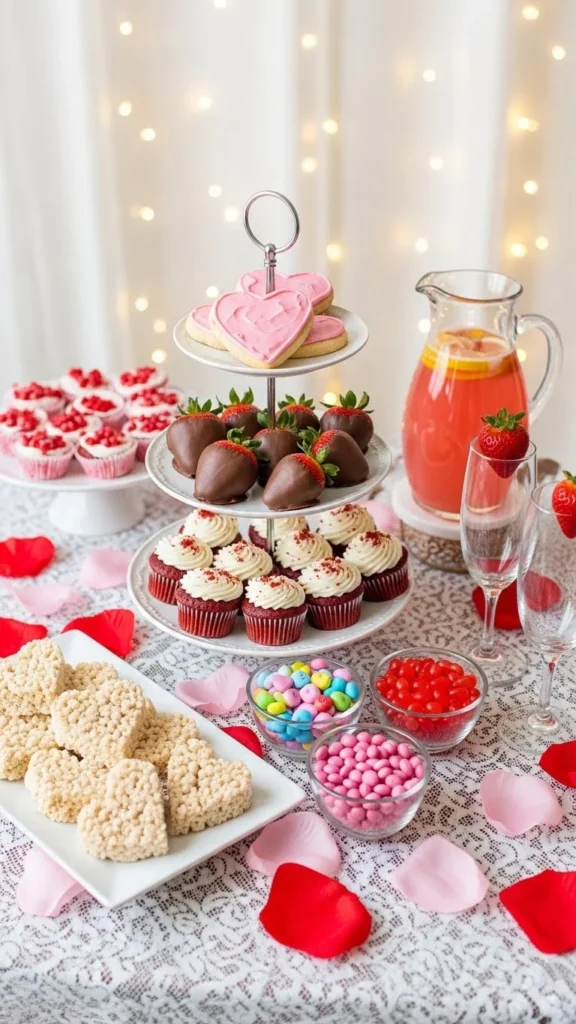
Simple food options reduce prep time. Choose items that don’t require constant attention.Finger foods work well. Arrange them neatly and refill as needed.
Less variety often means less waste.Guests appreciate easy choices that don’t feel complicated.
15. Use Timers for Transitions
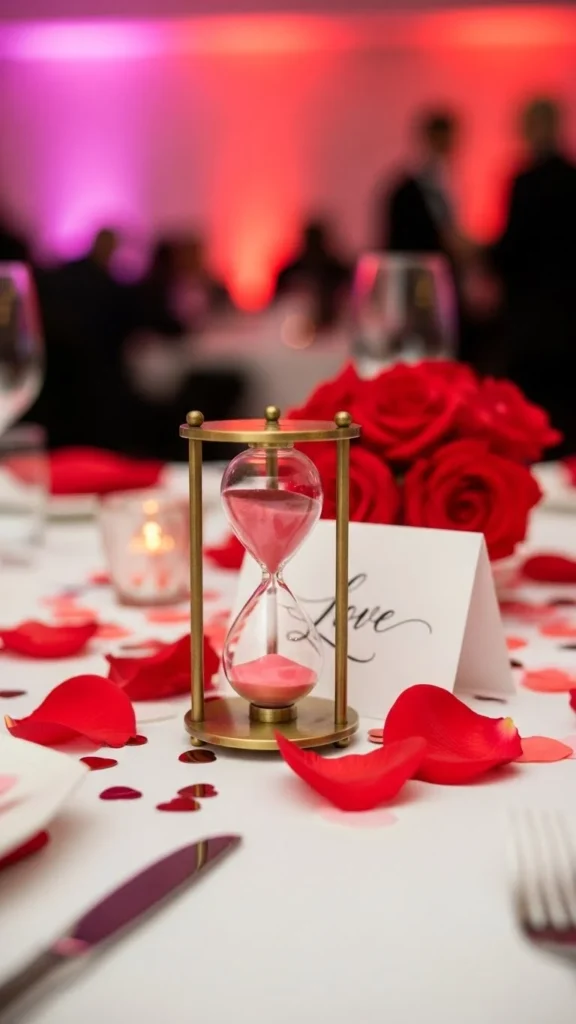
Timers help keep activities on track. Set gentle reminders for transitions.This works well for group events or classrooms.
It removes the pressure of watching the clock.Everyone stays relaxed when timing feels natural.
16. Choose Multi-Use Decor Pieces
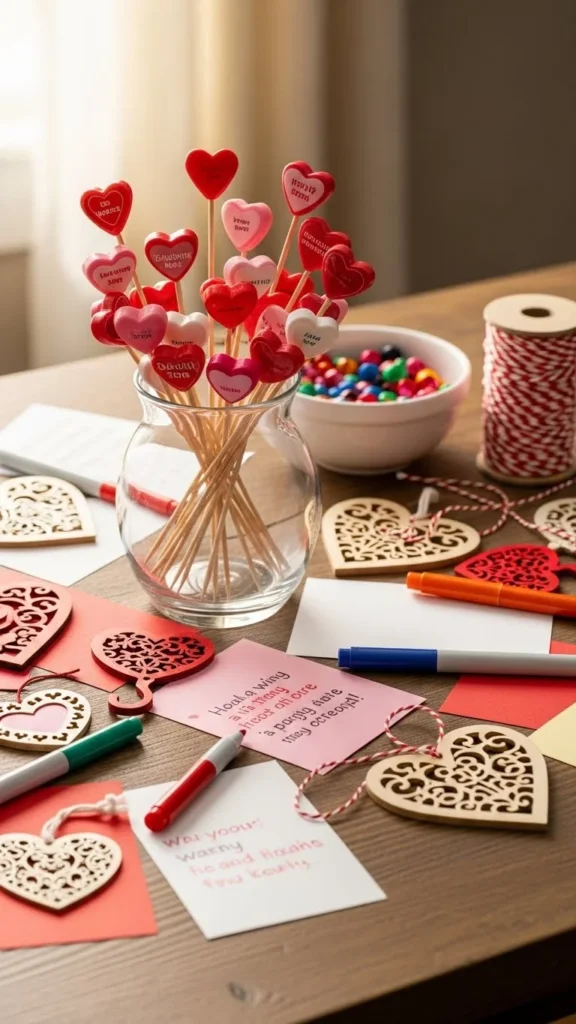
Items that serve more than one role save space and money. A tray can hold snacks and later store supplies.
Reusable decor adapts easily. This keeps planning efficient and flexible.
17. Arrange Furniture Before Decorating
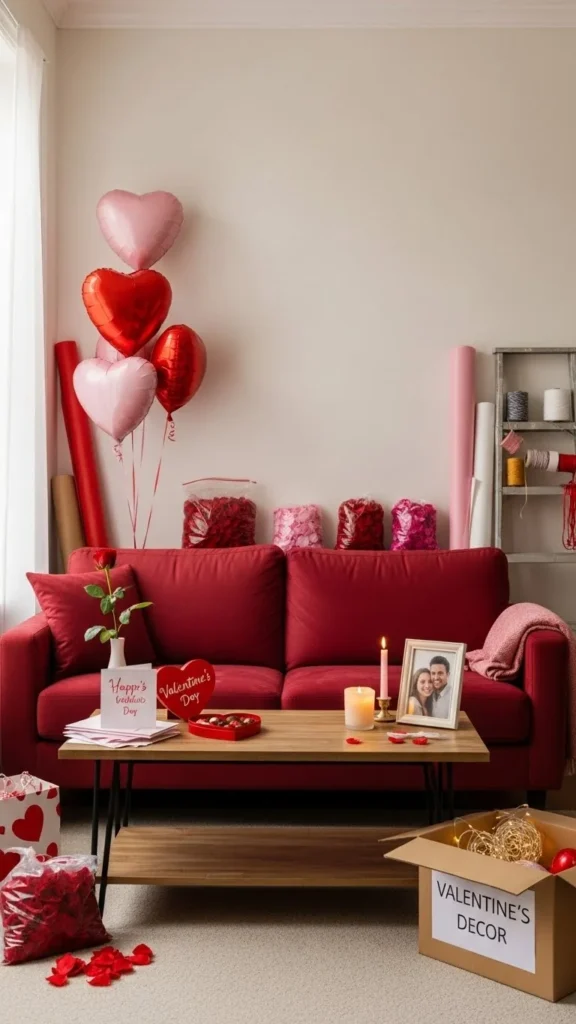
Set furniture first. This avoids rearranging later.Walk through the space to check flow.
Once layout feels right, add decor.This step prevents wasted effort.
18. Use Baskets for Storage
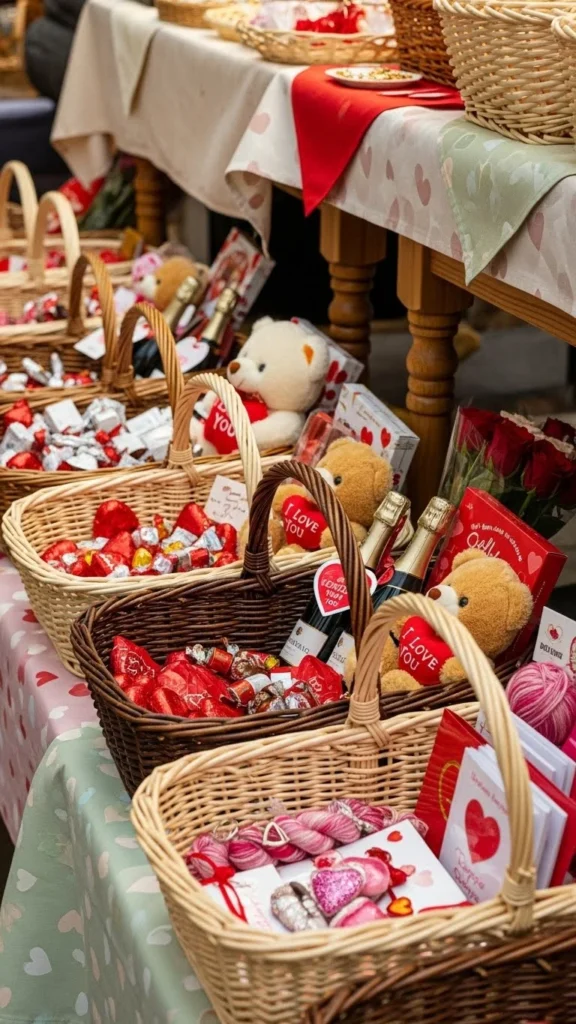
Baskets hide clutter while staying accessible.Place them under tables or in corners.
They keep items organized during the event.Cleanup feels quicker when storage is ready.
19. Keep Music Low and Simple
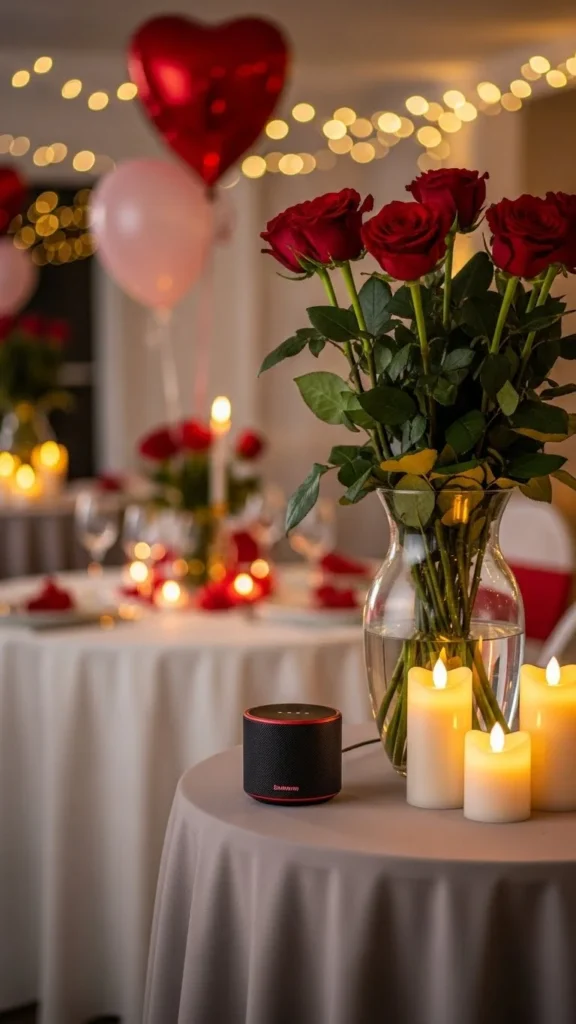
Soft background music sets tone without distraction.
Use a simple playlist.Avoid frequent adjustments.Guests can talk comfortably without noise stress
20. Plan a Clear Start and End Time
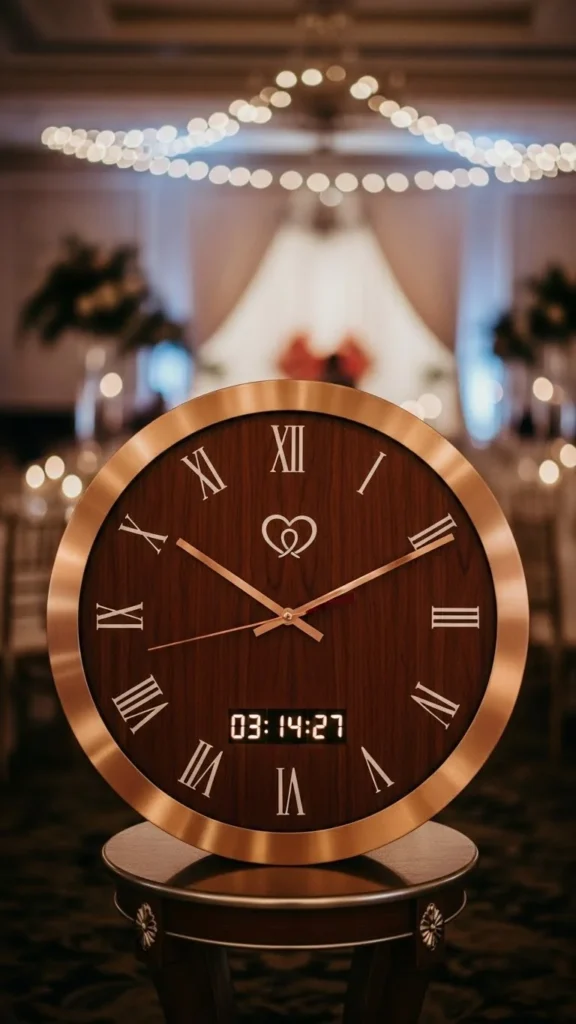
Clear timing helps everyone relax.
Guests know what to expect.You avoid extended cleanup.Boundaries keep the event enjoyable.
21. Use Name Cards Only When Helpful
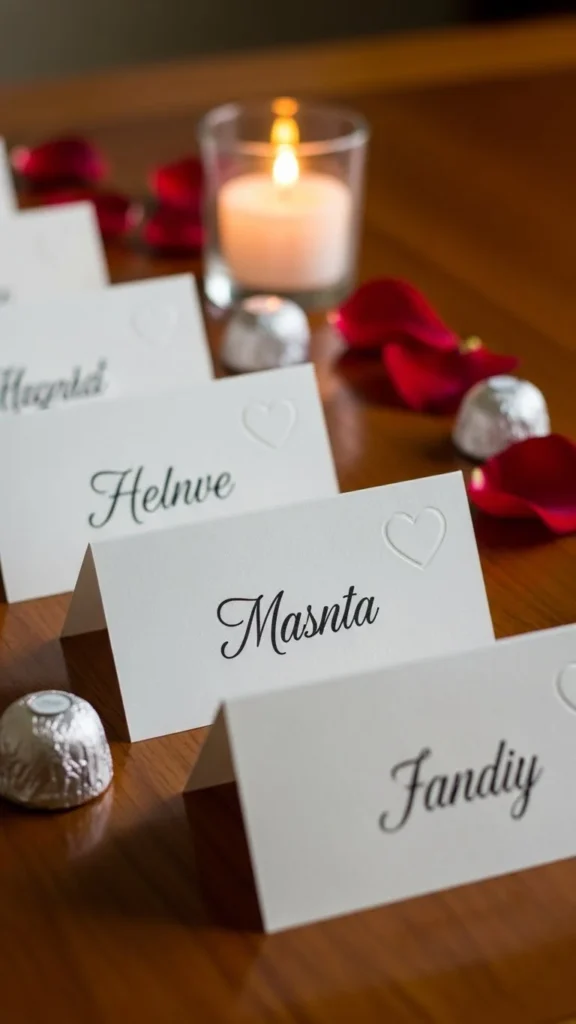
Name cards help in group settings.
Skip them for casual gatherings.Use folded paper for easy setup.
This keeps things organized without extra work.
22. Keep a Small Cleanup Kit Handy
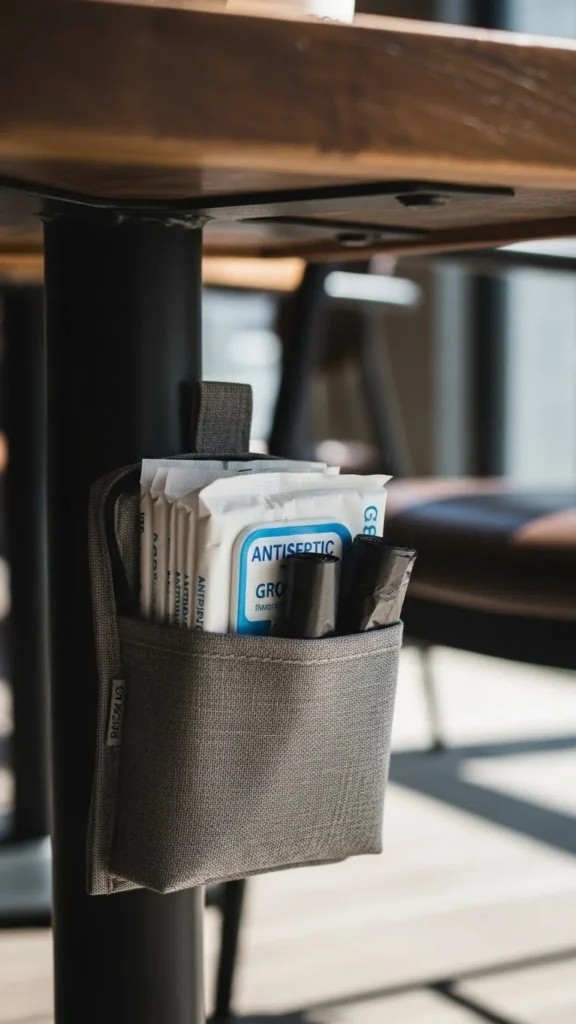
A cleanup kit prevents stress.Handle spills quickly.Keep it out of sight but nearby.
Small prep avoids big problems.
23. Ask for Light Help Ahead of Time
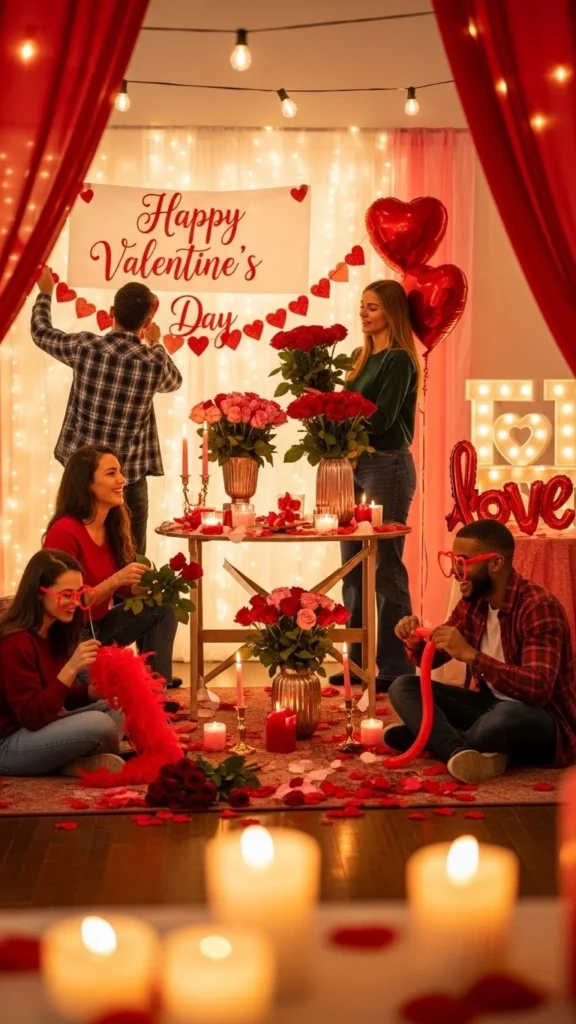
Sharing small tasks saves energy.Ask early.People enjoy helping when asked clearly.
Teamwork keeps planning calm.
24. Test Lighting Before Guests Arrive
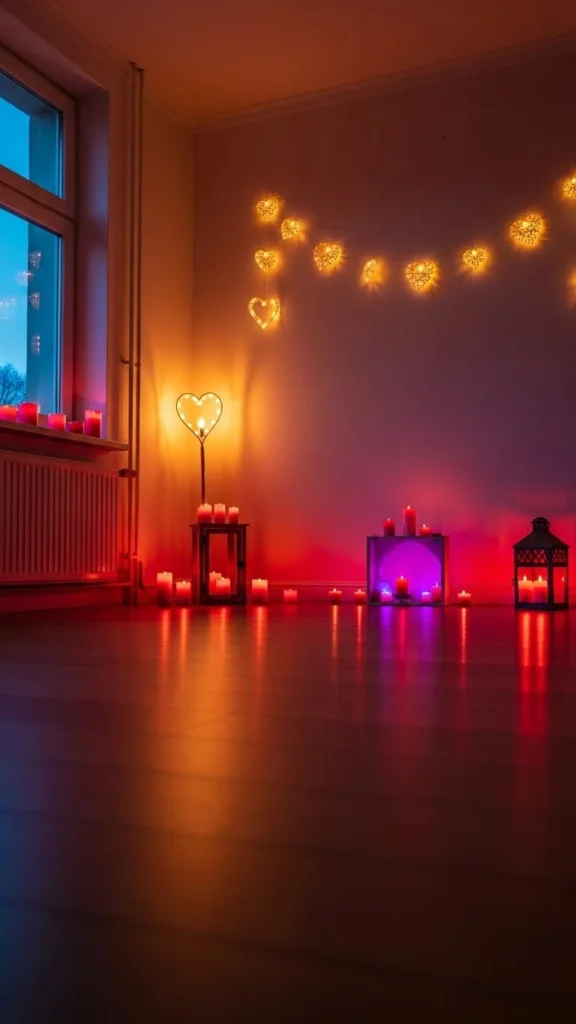
Adjust brightness.Fix issues before guests arrive.This avoids last-minute scrambling.
25. Leave Space for Comfort
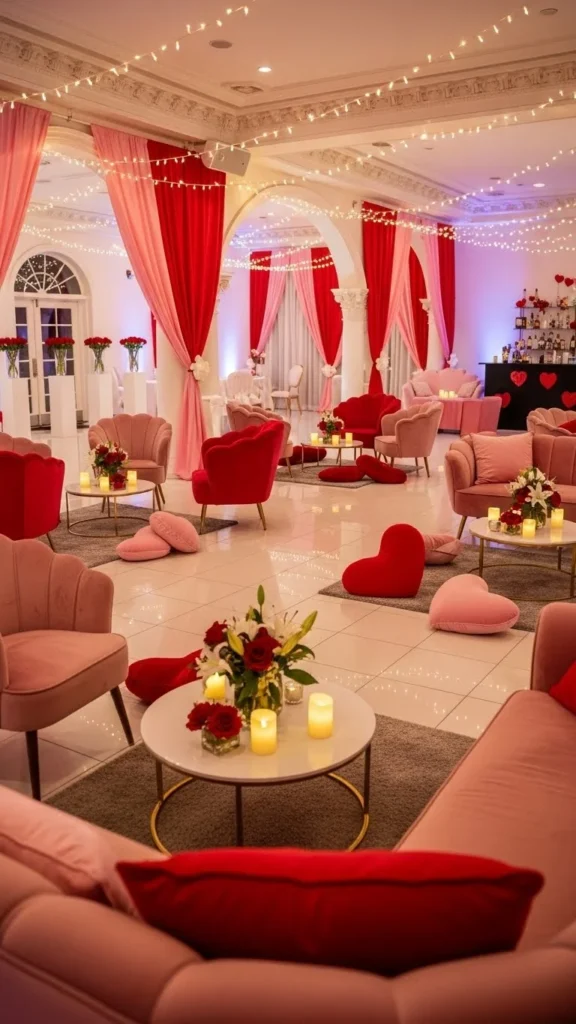
Avoid filling every corner.Open space helps movement.
Guests feel relaxed.Less clutter supports comfort.
Conclusion
A calm Valentine’s Day setup starts with simple choices and realistic planning. These ideas focus on saving time, lowering costs, and keeping the process manageable. By choosing flexible layouts, easy decor, and clear organization, you create a welcoming space without pressure. Use what you already have, plan ahead, and keep things light. When setup feels simple, the event itself feels more enjoyable for everyone involved.
Leave a Reply