

A great talent show feels electric from the moment the lights dim. There’s anticipation, creativity, and that warm buzz of cheering for someone brave enough to step on stage. Whether you’re planning a school event, a community fundraiser, or a party centerpiece, the magic comes from thoughtful planning and a welcoming vibe.

Below is a simple, step-by-step guide to organizing a talent show that feels polished, fun, and unforgettable—without overcomplicating things.
Choose a Clear Theme and Purpose
Before anything else, decide what kind of talent show you’re hosting. A clear theme helps performers prepare and makes the event feel cohesive.
Ask yourself:
- Is this for kids, teens, or all ages?
- Is it casual and playful or more performance-focused?
- Is there a goal, like fundraising or community bonding?
Popular theme ideas:
- Variety night (singing, dancing, comedy, magic)
- Decades or throwback performances
- Family-friendly showcase
- Local stars or hidden talents
Once you set the tone, everything else—from décor to judging style—becomes easier.
Find the Right Venue and Date
You don’t need a huge theater to impress. The best venues feel comfortable and visible.
Good options include:
- School halls or auditoriums
- Community centers
- Outdoor stages or covered courtyards
- Large living rooms or event spaces
Tips for choosing wisely:
- Make sure everyone can see the stage clearly
- Test lighting and sound early
- Pick a date that avoids major conflicts

A cozy, well-lit space often feels more exciting than a massive room that feels empty.
Plan Simple but Smooth Sign-Ups
Make it easy—and exciting—for people to participate.
You can collect sign-ups through:
- Online forms
- Sign-up sheets at school or work
- Direct invitations to confident performers
Ask for:
- Name and contact info
- Type of act
- Estimated performance length
- Any special needs (music playback, props)
Helpful tip: Set a time limit for each act. Two to four minutes keeps the show lively and prevents fatigue.
Create a Show Flow That Keeps Energy High
A well-paced show is the difference between “nice” and “wow.”
When building your lineup:
- Alternate high-energy and slower acts
- Avoid putting similar performances back-to-back
- Start and end strong
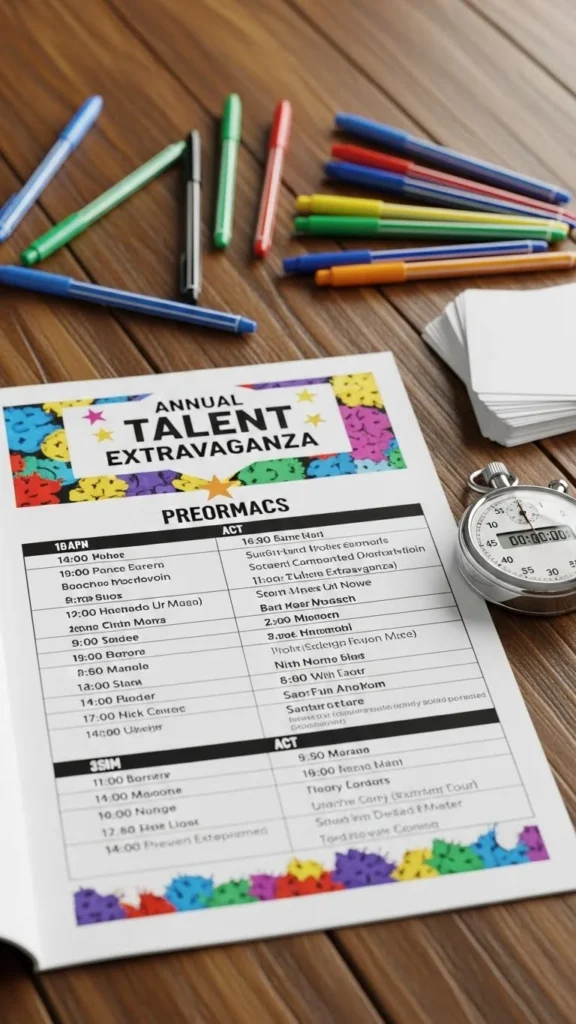
If you have many acts, consider:
- A short intermission
- A fun host segment
- Audience participation moments
Even a quick group clap or cheer break helps reset attention.
Set Up Sound, Lighting, and Stage Basics
You don’t need fancy equipment—but you do need reliable basics.
Essentials to check:
- Working microphone
- Speaker with clear sound
- Simple spotlight or focused lighting
- Music playback device with backups

Do a full run-through before doors open. Test volume levels and transitions so performers feel confident and supported.
Decide How Judging (or Cheering) Will Work
Not every talent show needs strict judging. Choose what fits your audience.
Options include:
- Friendly judges with scorecards
- Audience voting with claps or tokens
- No competition—just applause and encouragement
If you do judge, keep it light:
- Creativity
- Confidence
- Crowd connection
Avoid harsh criticism. The goal is celebration, not pressure.
Add Small Touches That Feel Big
Little details make the night memorable.
Easy upgrades:
- Simple stage backdrop or banner
- Printed programs or digital schedules
- Certificates or fun prizes
- A photo spot for performers
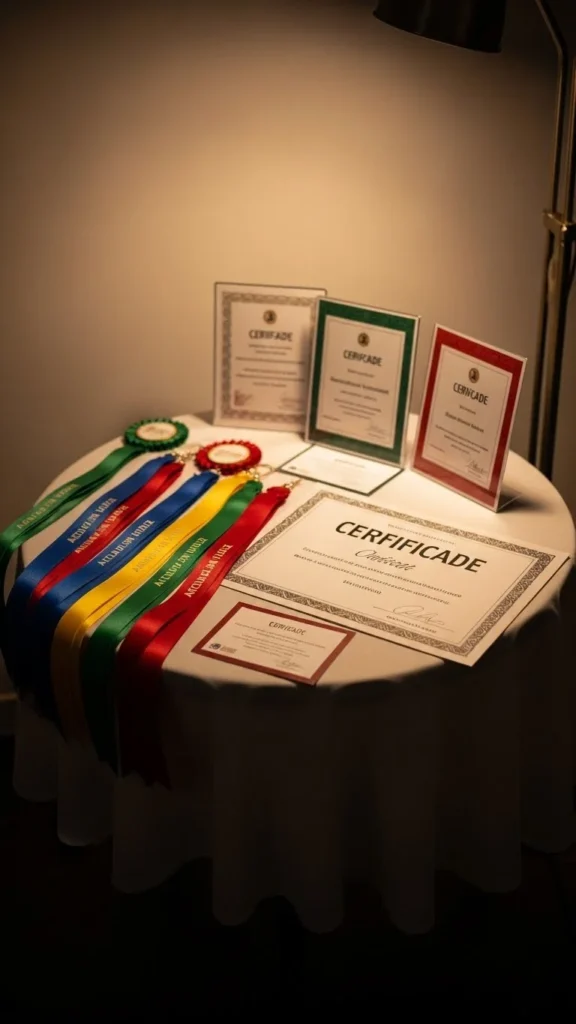
These thoughtful extras show performers they matter—and audiences notice.
End on a High Note
Wrap up with energy and appreciation.
Great closing ideas:
- Group bow with all performers
- Thank-you shoutouts
- Final applause led by the host
Encourage photos, smiles, and shared excitement as people leave.
Final Takeaway
A talent show doesn’t need perfection—it needs heart, structure, and encouragement. With clear planning, smooth pacing, and a supportive atmosphere, you’ll create a night that performers love and audiences remember.
Save this guide for later and start planning your own crowd-wowing talent show today!

Leave a Reply