

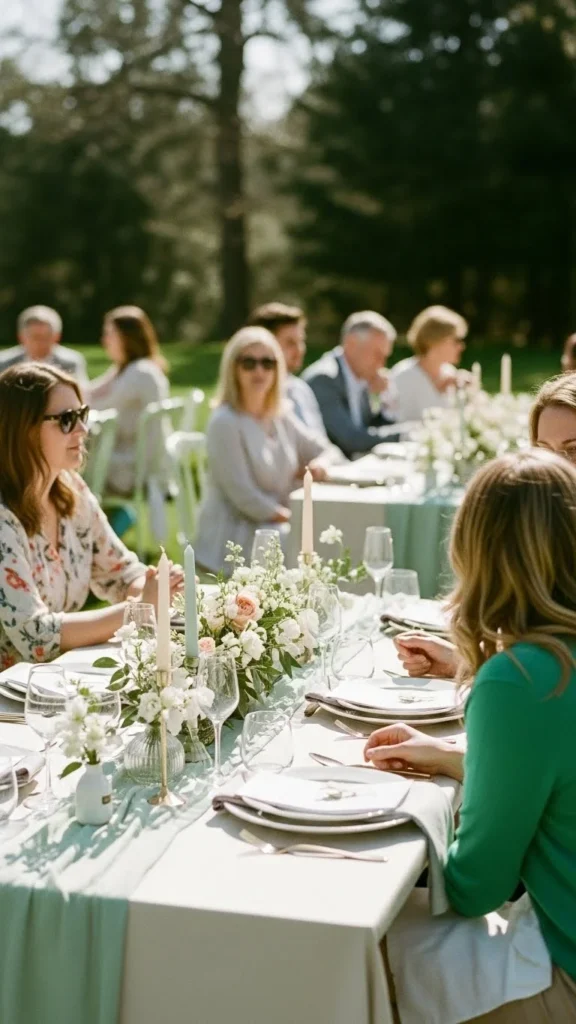
Spring events call for lighter planning, calmer choices, and setups that feel natural rather than staged. This guide focuses on simple ideas that help hosts plan gatherings without stress or overspending. Each concept favors easy prep, everyday materials, and layouts that work in real homes and shared spaces. Whether hosting a backyard get-together, school function, or casual celebration, these ideas keep planning simple while still feeling thoughtful.
1. Backyard Picnic Tables With Layered Textiles
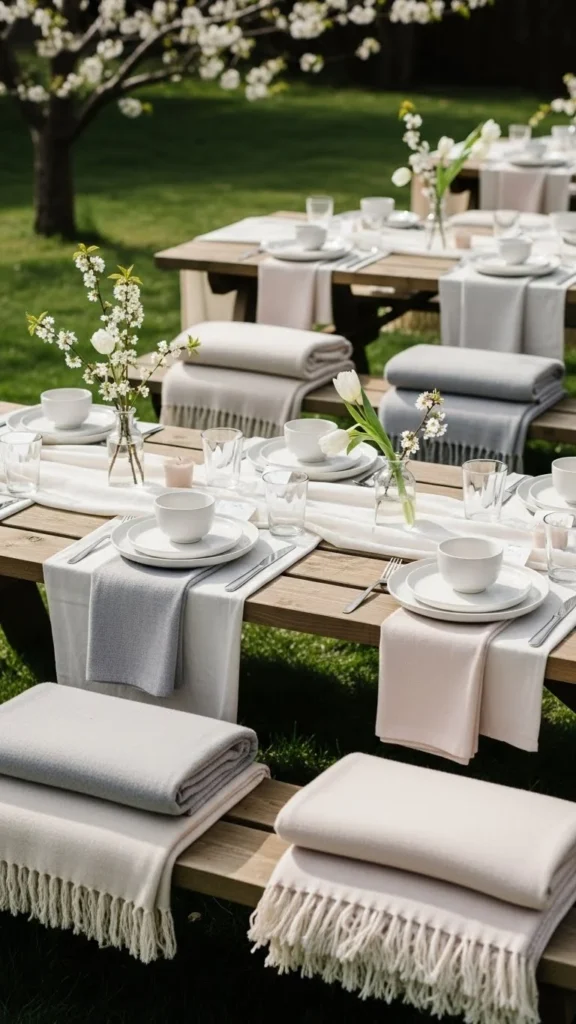
A picnic table becomes event-ready with layers instead of rentals. Start with a basic runner made from cotton fabric or repurposed sheets. Add folded throws at each end for comfort when temperatures shift. Stick to neutral tones so everything mixes well.
Use mismatched plates and glasses from home. Group items at the center instead of placing full settings. This reduces prep time and clean-up. Mason jars work well for utensils and napkins.
For cost control, borrow tables from neighbors or use folding tables with inexpensive wood-grain covers. Fabric hides imperfections while keeping the look relaxed. Add small potted plants instead of floral arrangements. They last longer and can be reused.
This setup works for birthdays, showers, and casual group meals. It feels welcoming without feeling staged. Guests naturally spread out, chat longer, and help themselves. Planning stays simple while the space feels put together.
2. Color-Based Dress Code Invitations
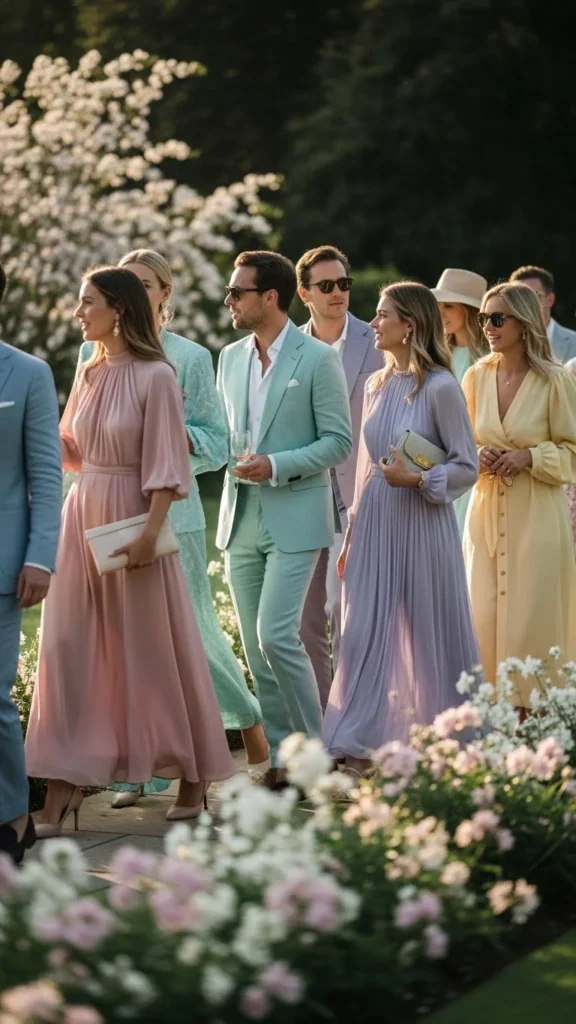
Instead of formal attire rules, suggest a color range. Soft neutrals, greens, or pastels guide guests without pressure. This keeps photos cohesive without forcing purchases.
Mention the palette casually on the invite. A simple line works. Guests often enjoy participating when guidelines feel optional. This reduces planning on décor since outfits become part of the visual design.
Skip printed cards if budget matters. Use digital invites or group messages. Share one inspiration photo so expectations stay clear.
This idea suits outdoor lunches, showers, and school events. It lowers styling work while making the event feel coordinated. Hosts avoid matching decorations to every detail.
The result feels calm and organized. Guests feel included rather than restricted. Planning time drops while visual harmony improves naturally.
3. Serve-Yourself Beverage Stations
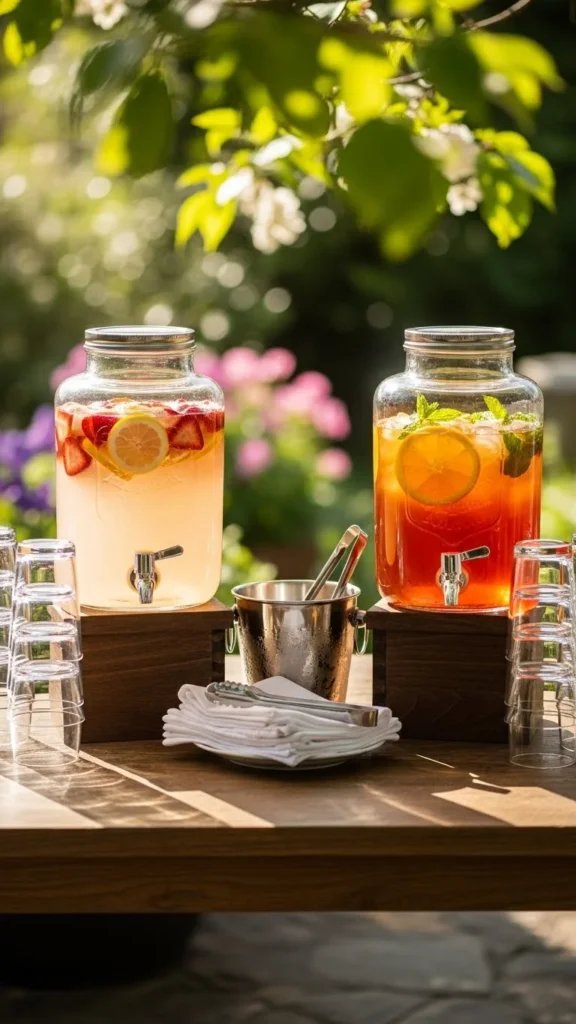
A self-serve drink table reduces hosting stress. Place dispensers, cups, and napkins together. Guests help themselves, freeing hosts to enjoy the gathering.
Use water with citrus, cucumber, or herbs for visual interest. Large glass jars work well and cost little. Refill as needed instead of constant serving.
Label items with small chalk tags if needed. Keep everything within reach. Add a small tray for used cups to control clutter.
This setup fits nearly any event type. It saves time and limits mess. Planning becomes simpler, and guests appreciate the freedom.
4. Short-Window Event Timing
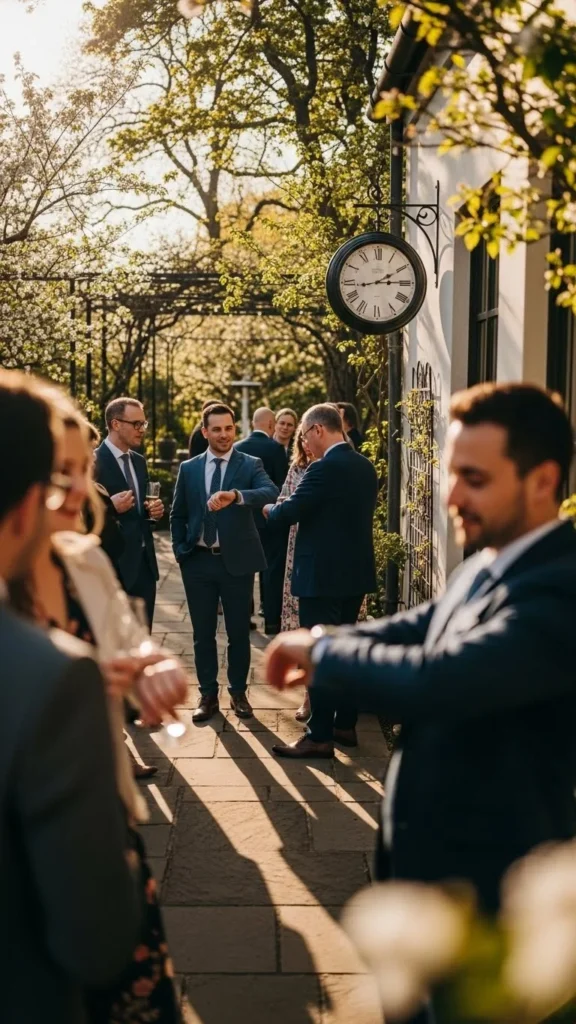
Choose a clear start and end window, such as two hours. Guests arrive knowing expectations. Hosts plan food and seating more easily.
Shorter events reduce pressure. Prep stays manageable. Clean-up feels lighter. Attendance often improves since guests can fit it into busy schedules.
Communicate timing clearly on invites. Stick to it. This approach works well for brunches, meetings, and school gatherings.
The atmosphere stays relaxed. Energy remains steady. Hosts avoid burnout while guests leave feeling satisfied.
5. Grocery-Store Flower Arrangements
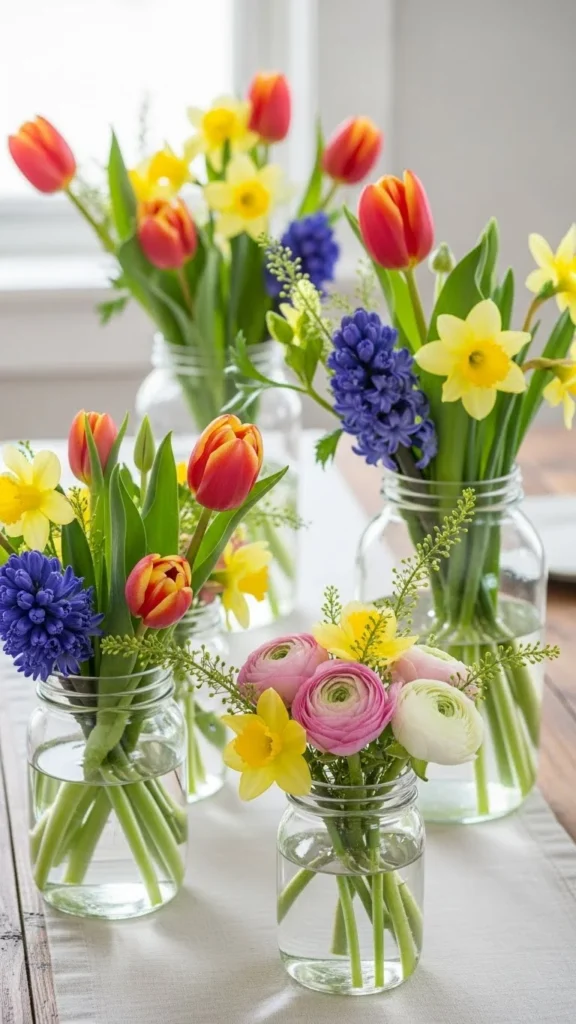
Skip florists. Buy simple flower bundles and split them into small jars. Spread them across tables for balance.
Use jars, bottles, or cups already at home. Vary heights slightly. Keep arrangements loose. This saves money and time.
Trim stems shortly before guests arrive. Keep extras in water. This setup works for any event size.
The result feels casual and welcoming. Guests notice effort without excess spending.
6. Mixed Seating Zones
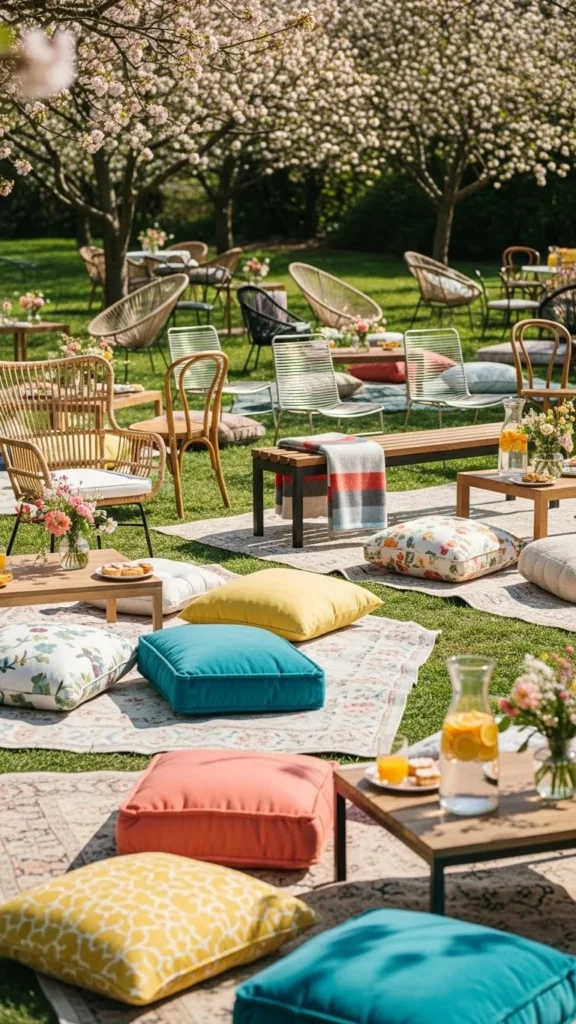
Offer different seating options. Chairs, benches, and cushions allow guests to settle comfortably.
Borrow items rather than rent. Move furniture from indoors if weather allows. Keep pathways clear.
This layout encourages conversation. Guests choose what suits them. Planning becomes flexible and forgiving.
7. Simple Menu With One Signature Dish
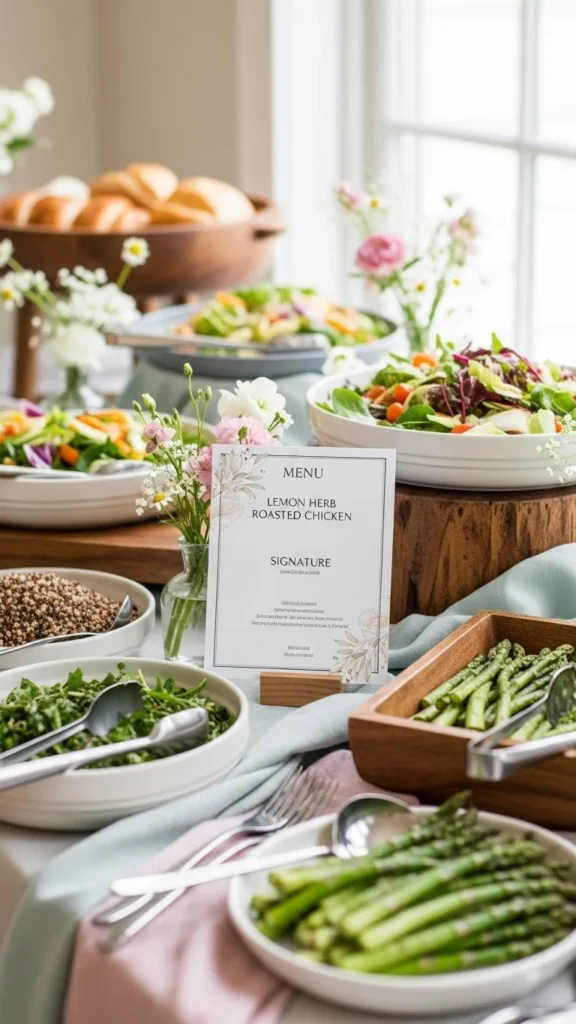
Limit the menu. Choose one main item and simple sides. This cuts prep time and cost.
Ask guests to bring extras if appropriate. Provide clear suggestions. Coordination keeps variety without overwhelm.
This approach works for potlucks and casual parties. Hosts stay relaxed and organized.
8. Natural Table Runners
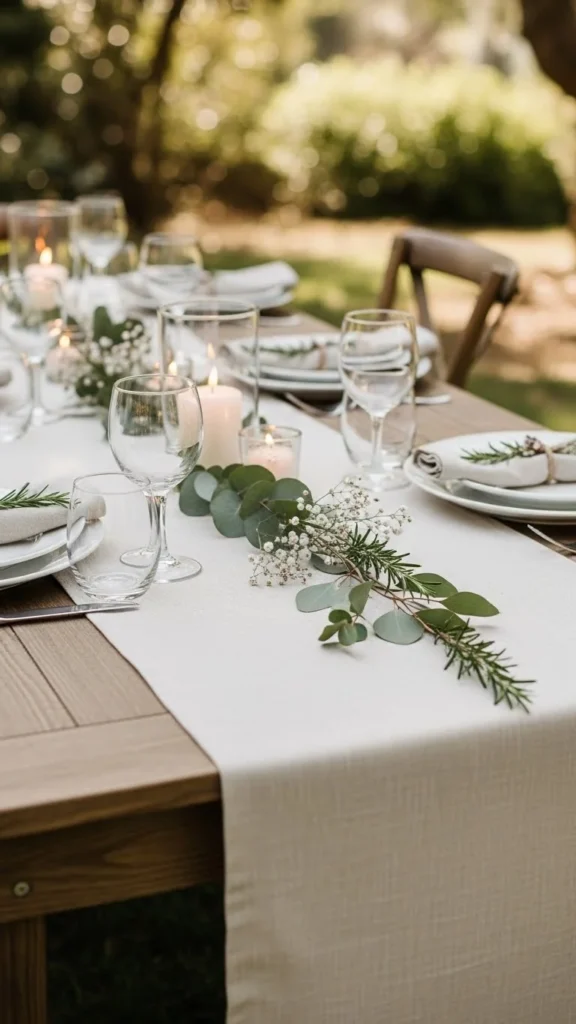
Use linen, cotton, or kraft paper as runners. They hide scratches and add texture.
Rolls of paper work well for long tables. Recycle after use. Fabric runners can be reused later.
This keeps décor simple and affordable.
9. Digital RSVPs Only
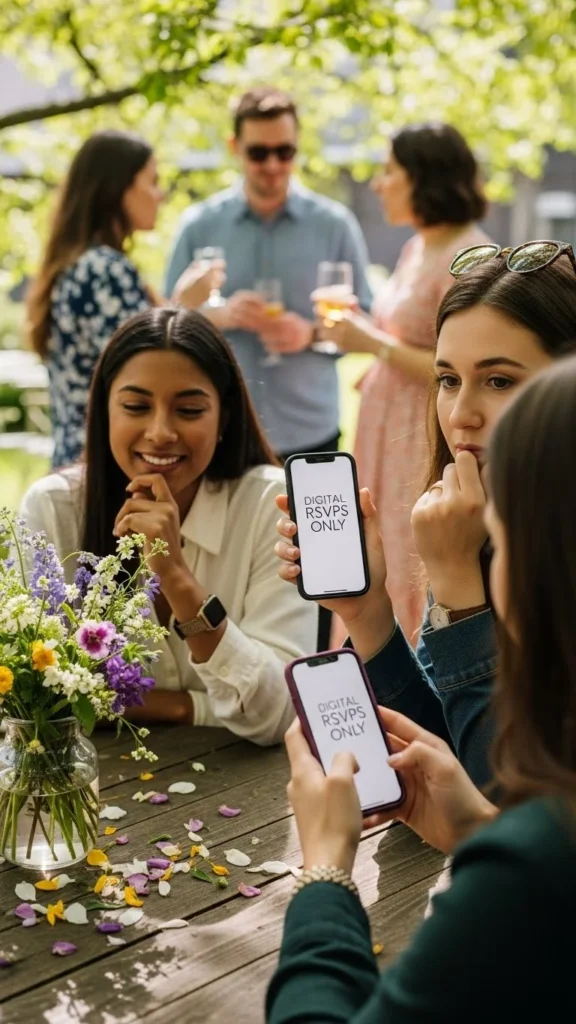
Collect responses digitally. Group chats, forms, or apps work well.
This avoids lost replies. Headcounts stay accurate. Planning becomes smoother.
Digital updates also help with last-minute changes.
10. Activity Corners Instead of Full Schedules
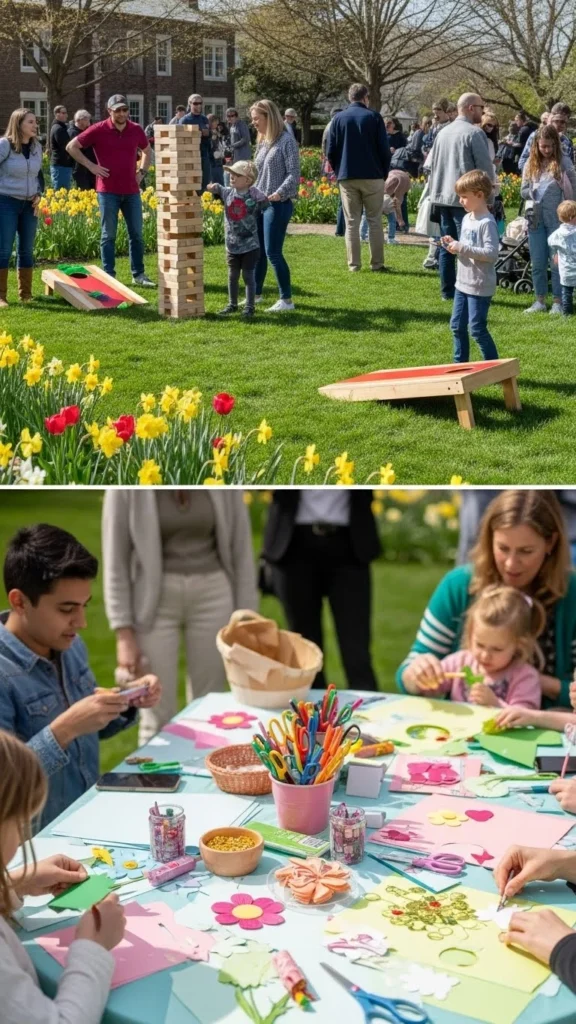
Set up optional activity spots. Lawn games, crafts, or photo areas work well.
Guests join when they want. No rigid timeline needed.
This keeps energy balanced and planning simple.
11. Reusable Signage
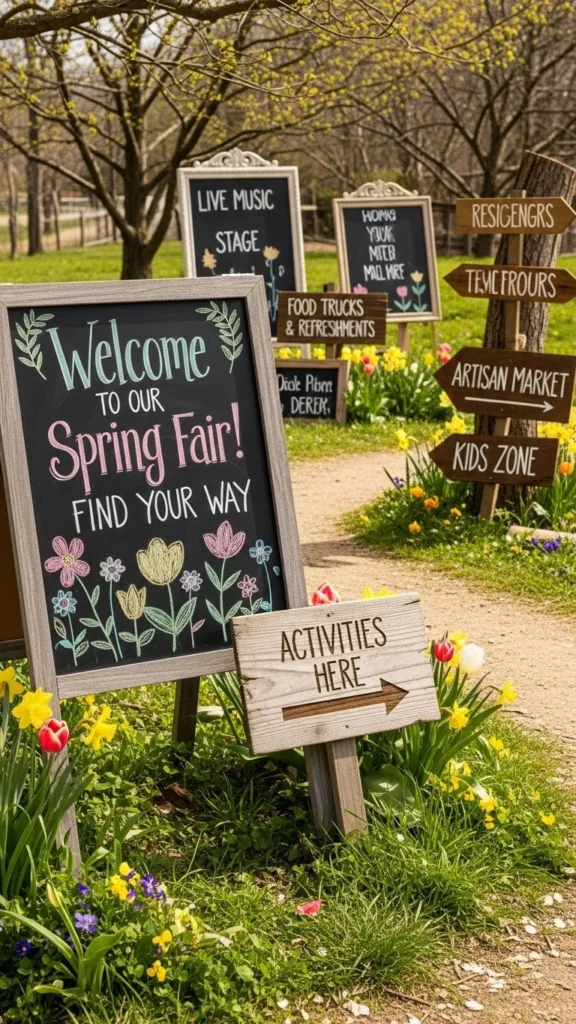
Chalkboards or wooden signs guide guests. Reuse them for future events.
Simple arrows or labels help flow. No printing costs involved.
12. Clear Trash and Recycling Stations
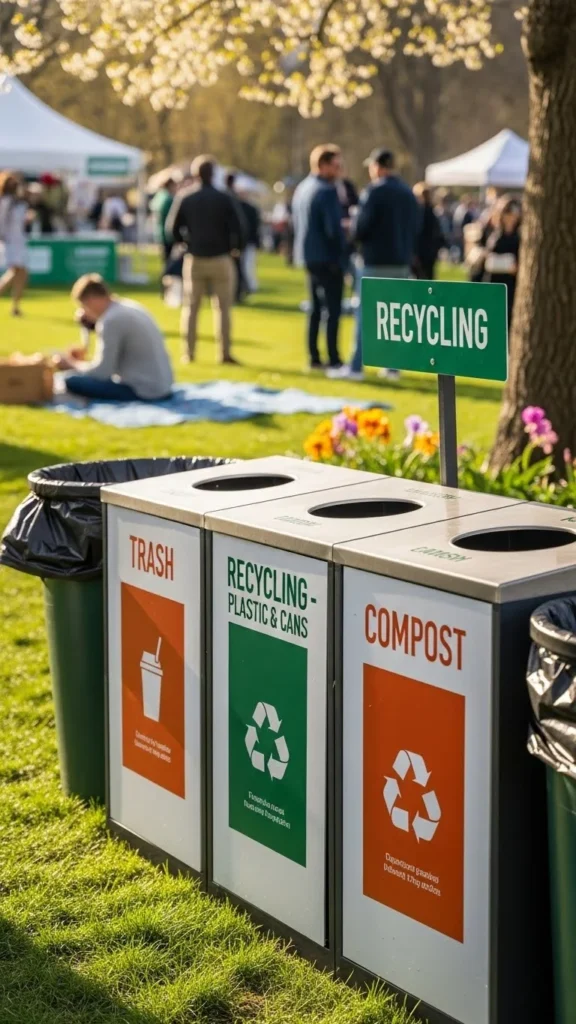
Place bins where guests can see them. Use simple labels.
This reduces mess and post-event work. Guests help naturally.
13. Flexible Food Layouts
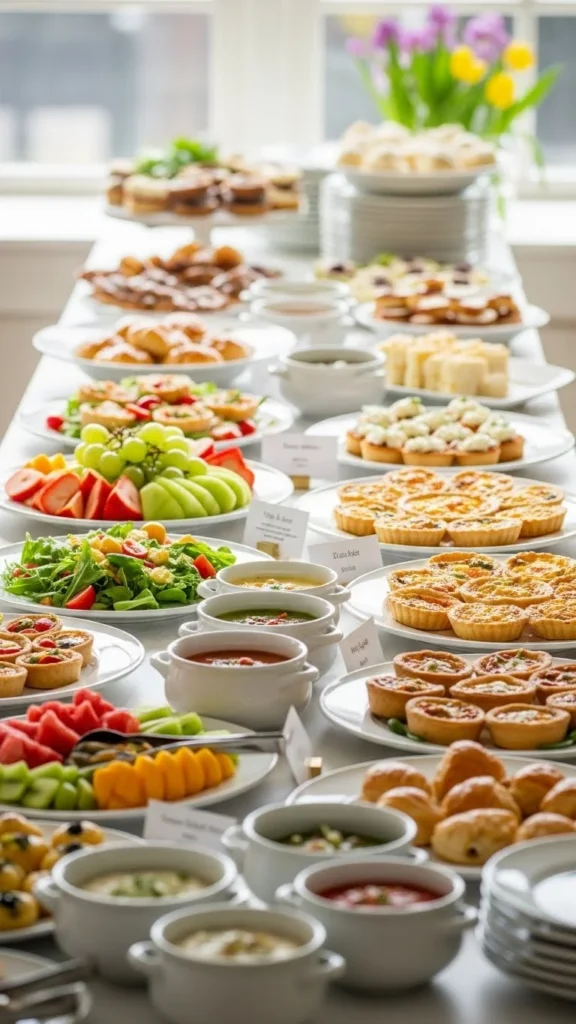
Avoid crowding food in one spot. Use side tables.
This improves flow and reduces lines.
14. Soft Background Music Only
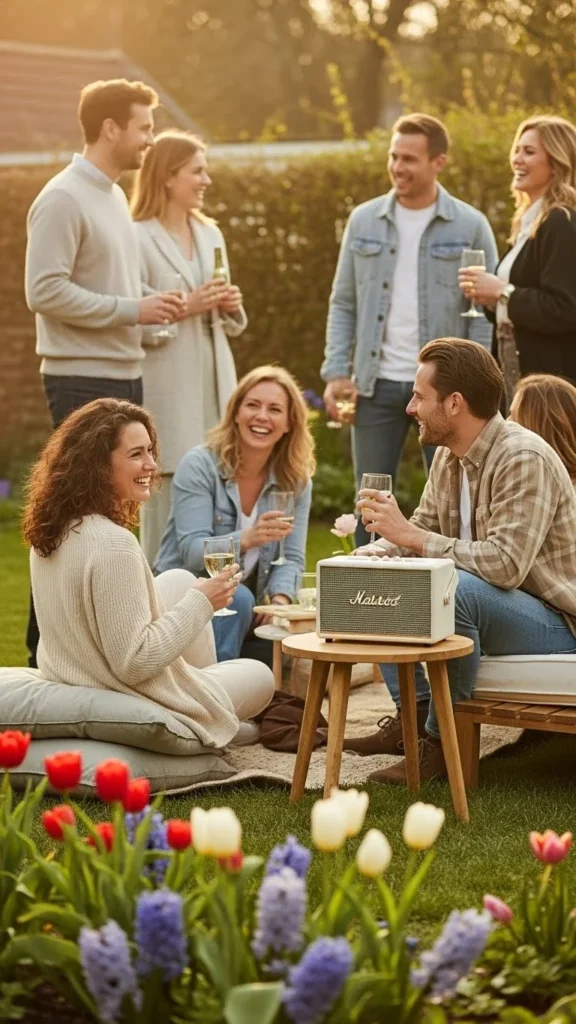
Keep volume low. Music should support conversation, not lead it.
A single playlist works fine. Test beforehand.
15. Outdoor-Indoor Backup Plan
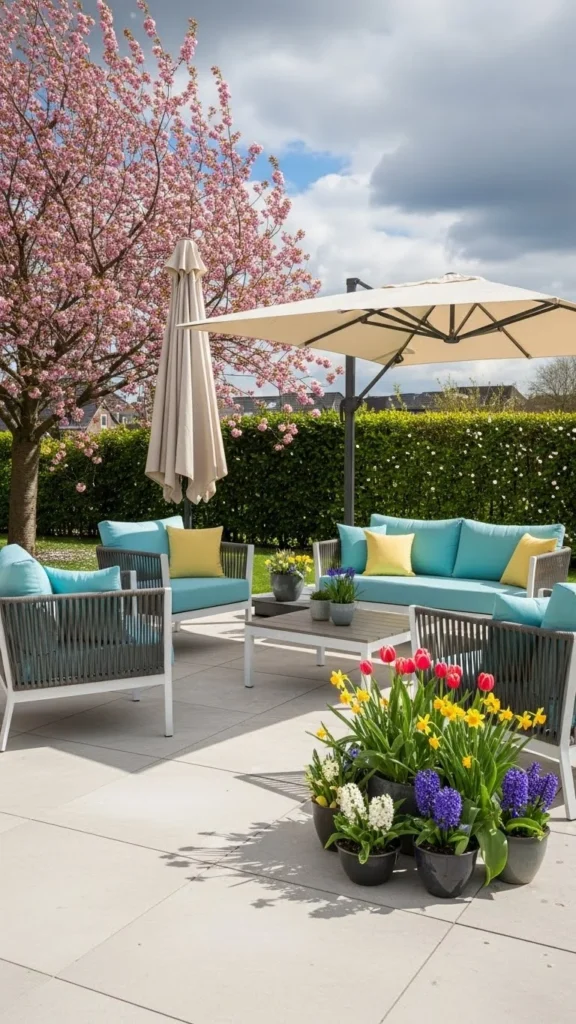
Prepare a simple indoor option. Move key items easily.
This prevents stress if weather shifts.
16. Minimal Invitation Wording
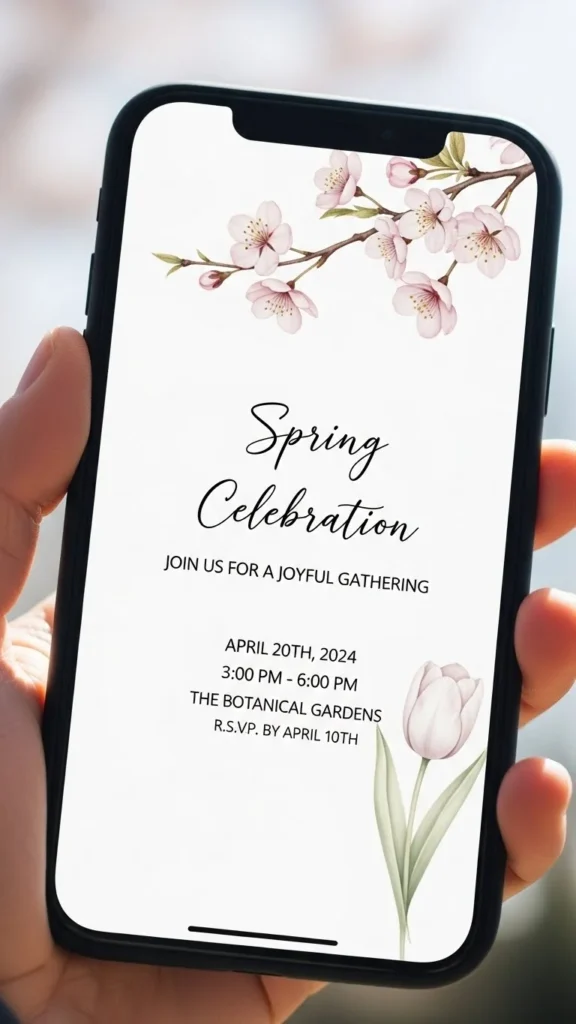
Short invites reduce confusion. Share essentials only.
Clarity helps guests plan quickly.
17. Borrowed Decor Pieces
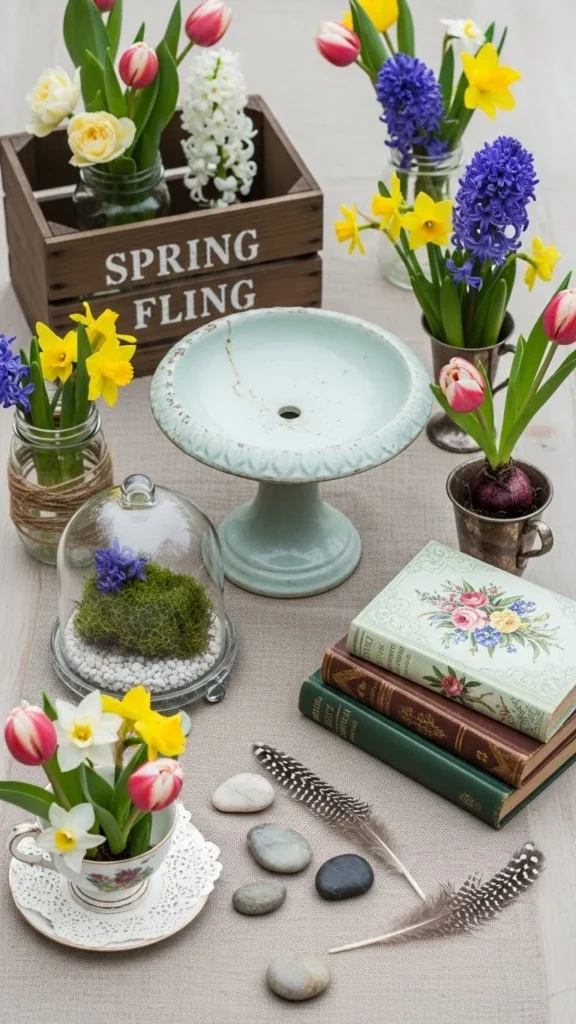
Borrow vases, lanterns, or trays. Return after.
This saves money and adds variety.
18. Pre-Portioned Snacks
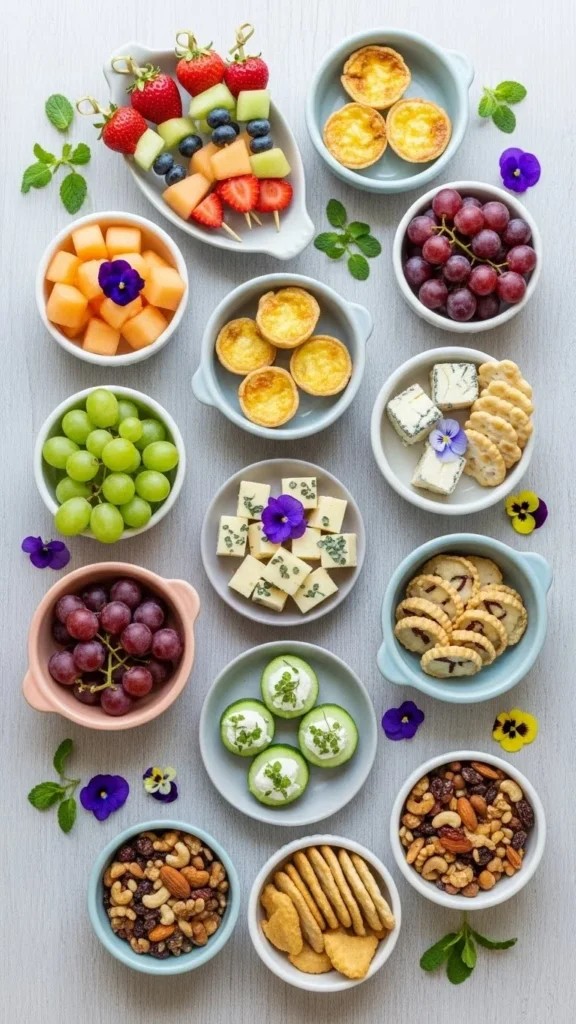
Serve snacks in small portions. Refilling stays easy.
Guests avoid crowding shared bowls.
19. Shade First, Décor Second
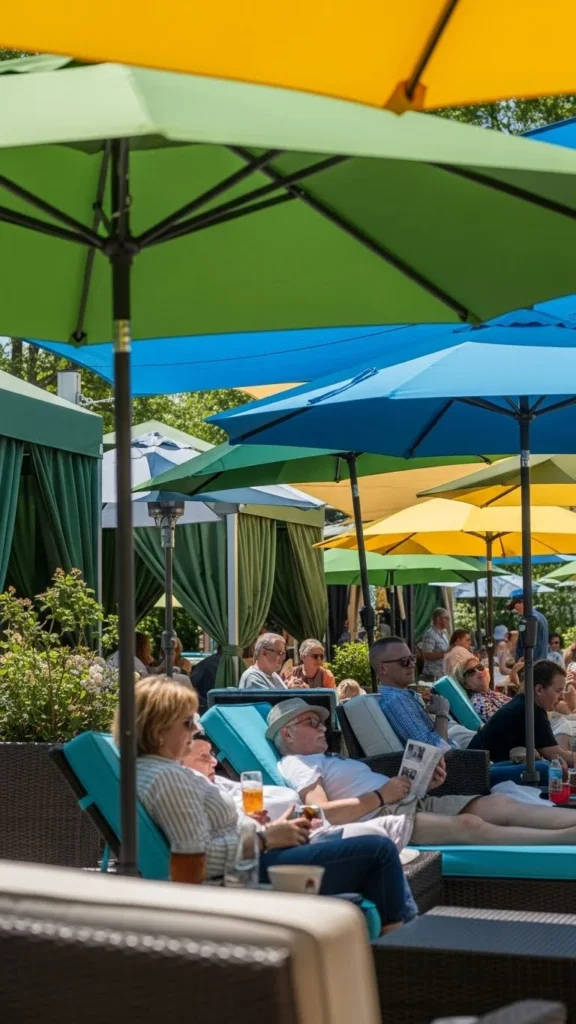
Comfort matters most. Use umbrellas or canopies early.
Decorate after basics are covered.
20. Simple Entry Table
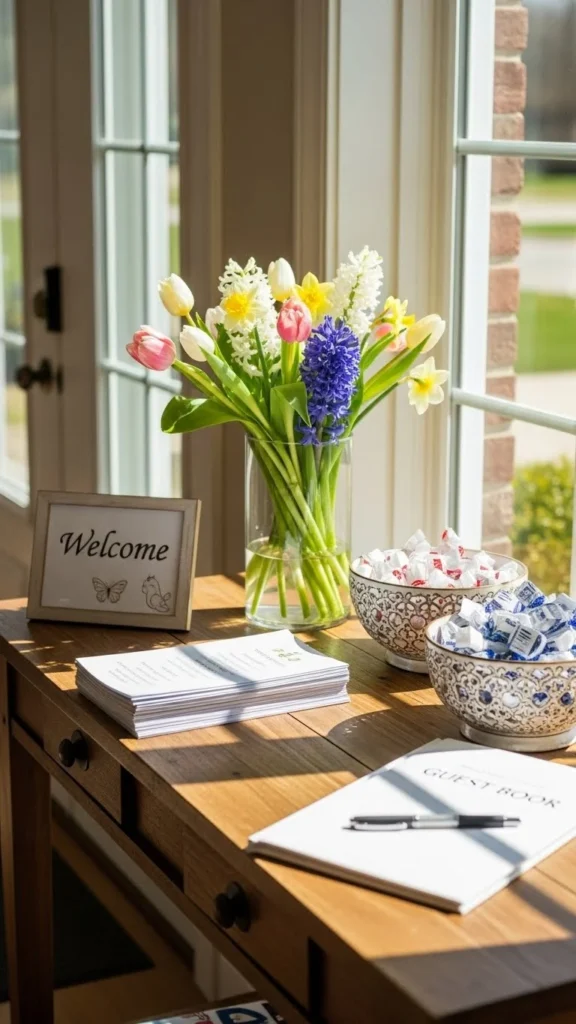
Place a small table at the entrance. Include programs or name tags.
Guests feel oriented right away.
21. Natural Lighting Choices
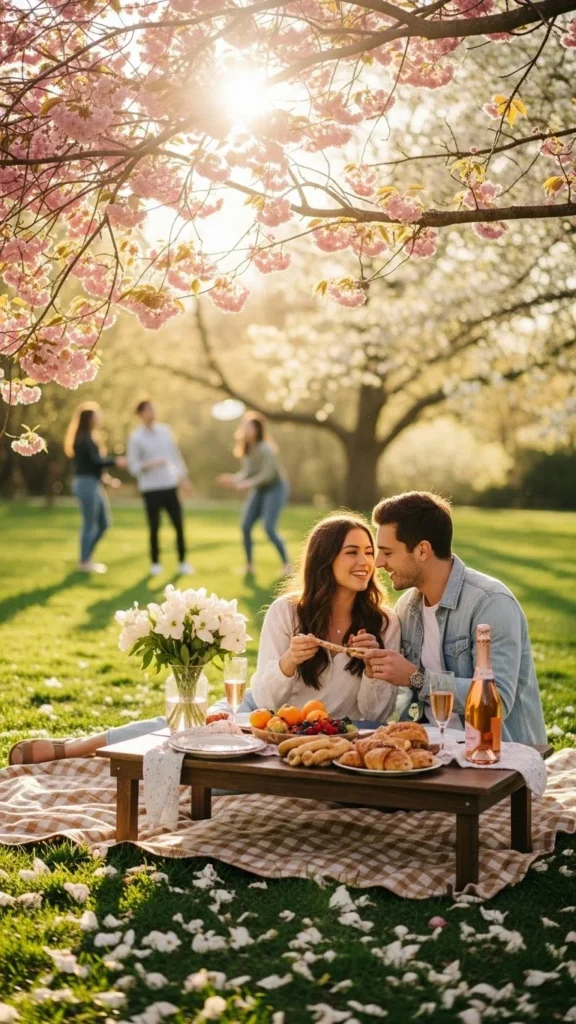
Plan events earlier in the day. Rely on daylight.
This reduces equipment and setup time.
22. Clear Walkways
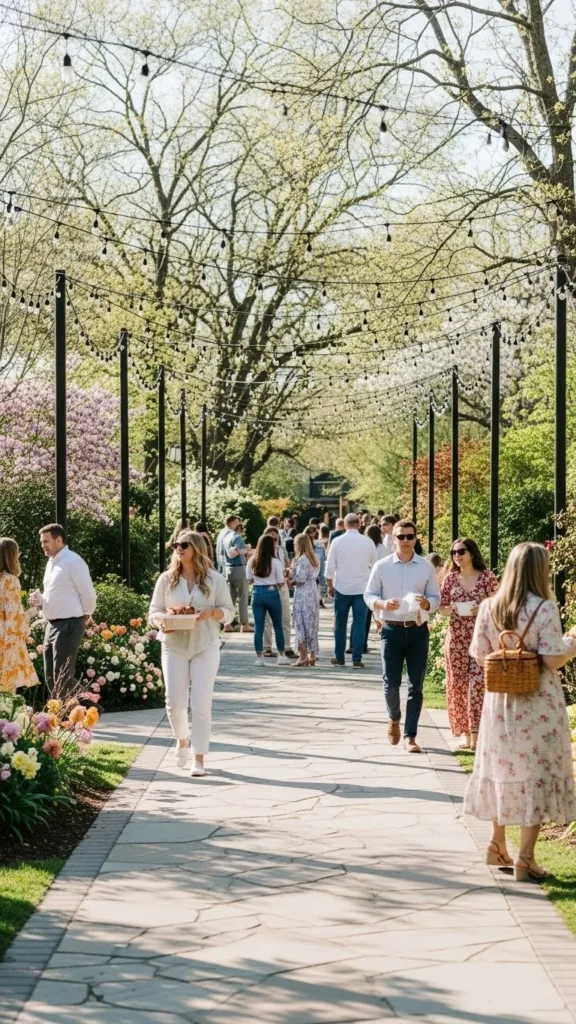
Rearrange furniture for flow. Avoid tight spaces.
Movement feels easy and safe.
23. One Shared Photo Spot
Create one simple photo area. Natural backgrounds work well.
Guests find it easily. No extra setup needed.
24. End-of-Event Wind-Down Cue
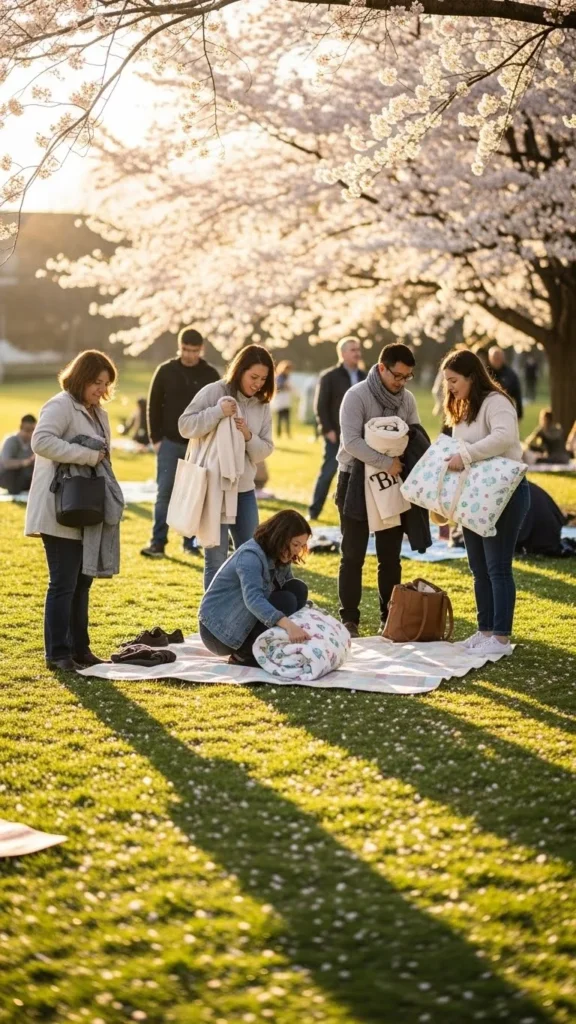
Lower music or start light clean-up near end time.
Guests take the hint without awkward announcements.
25. Next-Day Clean-Up Plan
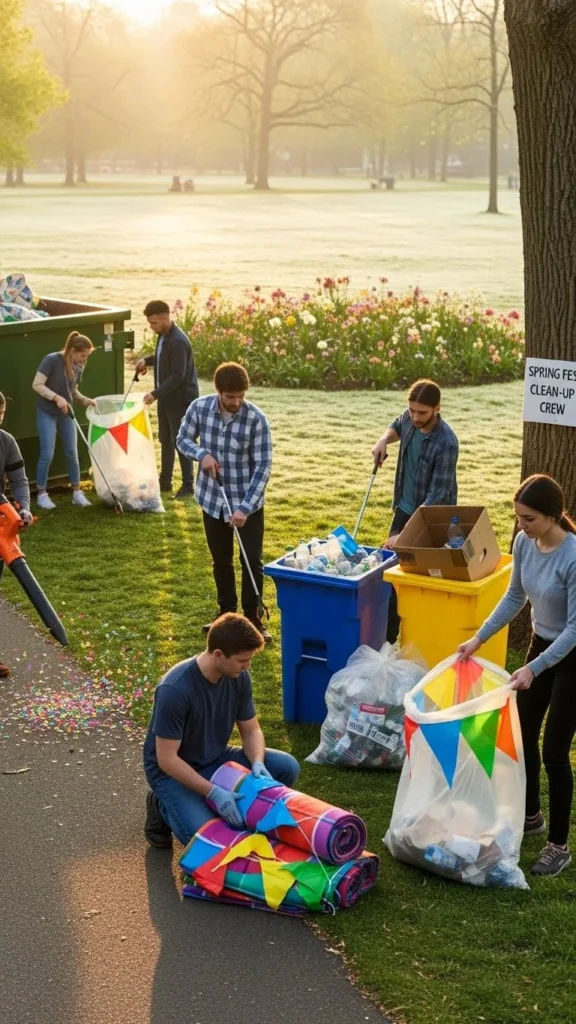
Plan clean-up steps ahead. Store bins and bags nearby.
This prevents late-night fatigue and stress.
Conclusion
Spring events feel easier when planning focuses on comfort, clarity, and practical choices. These ideas help hosts create welcoming gatherings without heavy schedules or extra spending. By keeping layouts flexible, menus simple, and décor reusable, planning stays manageable and enjoyable. Choose a few ideas that fit your space and guest list, then let the event unfold naturally.
Leave a Reply