

Planning a charity event is more than organizing a gathering—it’s about creating a meaningful experience that encourages people to open their hearts and support a cause. When done well, your event can spark genuine generosity and build long-lasting community support.

Below is a simple, engaging guide to help you plan a heartfelt, high-impact charity event that feels memorable and purpose-driven.
Define Your Purpose and Mission
Before anything else, get crystal-clear about why you’re hosting the event. A strong purpose keeps your planning focused and helps your audience feel connected.
Start by answering these questions:
- What cause or community will benefit?
- What specific goal do you want to achieve? (Fundraising? Awareness? Community support?)
- How will participants make an impact?
Once your mission is clear, create a short statement you can reuse on invitations, social posts, and signage.

Choose the Right Event Format
Your charity event can take many forms. Select a format that fits your audience, budget, and message.
Popular options include:
- Community walks or runs
- Silent auctions
- Volunteer-driven service days
- Themed dinners
- Local art or talent showcases
- Family-friendly fairs or markets
Whichever format you choose, make sure it feels aligned with the cause and accessible for as many people as possible.
Set a Realistic Budget and Fundraising Goal
Even nonprofit events need smart budgeting. Create a clear financial plan so you can avoid surprises later.
Break costs into categories:
- Venue rental
- Decorations
- Marketing materials
- Entertainment
- Security or permits
- Food and refreshments
- Staff or volunteer support
Then choose a fundraising target that’s realistic yet motivating. Your goal should help guide ticket pricing, sponsorship levels, and promotional strategies.

Find a Venue That Matches the Vibe
Your venue sets the tone and energy of your event. Look for a location that’s comfortable, accessible, and aligned with your mission.
Consider:
- Parking and public transportation
- Indoor vs. outdoor needs
- Accessibility for seniors or people with disabilities
- Space for booths, seating, or activities
- Restroom convenience
Natural light, greenery, or unique architectural details can elevate the atmosphere without requiring extra décor.
Build a Team of Passionate Volunteers
No charity event succeeds alone. Recruit a reliable team early so tasks can be divided smoothly.
Assign roles like:
- Registration team
- Donation processing
- Marketing and promotion
- Photography and social media
- Activity or booth managers
- Guest greeting and hospitality
Volunteers make the event feel warm and community-driven, so treat them with care, appreciation, and clear instructions.
Partner With Sponsors and Local Businesses
Sponsors can help reduce expenses while adding credibility to your event. Reach out to businesses that share your values or target audience.
Offer sponsorship levels such as:
- Logo placement on banners or flyers
- Mentions in social media promotions
- A table or booth at the event
- Naming rights for an activity or area
Highlight how their support will directly benefit the cause—it makes their participation more meaningful.
Promote the Event in a Heartfelt, Story-Driven Way
Marketing a charity event shouldn’t feel salesy—it should feel purposeful. Share real stories, heartfelt messages, and simple visuals that remind your audience what their participation will accomplish.
Use:
- Social media countdown posts
- Behind-the-scenes photos
- Short interviews with volunteers
- Email newsletters
- Community bulletin boards
- Flyers at local cafés, schools, or gyms
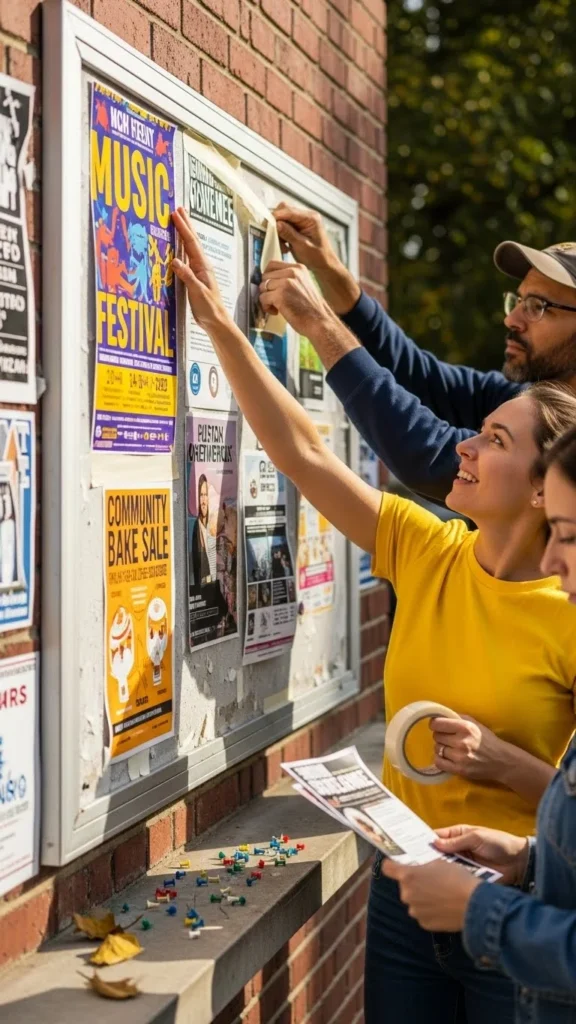
Encourage people to share the event with friends and family. Word-of-mouth grows fast when the cause is compelling.
Create a Smooth, Welcoming Event Experience
On the big day, focus on making guests feel appreciated and informed from the moment they arrive.
Include:
- A clear check-in point
- Friendly greeters
- Easy-to-understand signage
- A simple schedule of activities
- Opportunities to learn about the cause
- Donation stations placed throughout the venue
Small thoughtful touches—like thank-you cards, photo-friendly areas, or creative displays—can elevate the entire experience.
Share the Impact and Maintain the Momentum
Once your event ends, the real relationship-building begins. Follow up quickly to thank attendees and show them the results of their generosity.
Send:
- A warm thank-you message
- Event photos
- A recap of funds raised
- A story showing how the money will be used
- An invitation to future events
People love knowing their contributions made a real difference. That feeling encourages them to become long-term supporters.
Final Takeaway
A charity event becomes unforgettable when it blends purpose, community, and heartfelt storytelling. With thoughtful planning and a genuine mission, you can create an experience that encourages generosity—and inspires people to give again.
Save this guide for later and use it to plan your next meaningful event!

Leave a Reply