

Potluck dinners are one of the easiest ways to bring people together—everyone contributes, no one does all the work, and the table ends up overflowing with variety. The secret? A little planning goes a long way. With the right setup, your potluck can feel calm, coordinated, and genuinely fun instead of chaotic.
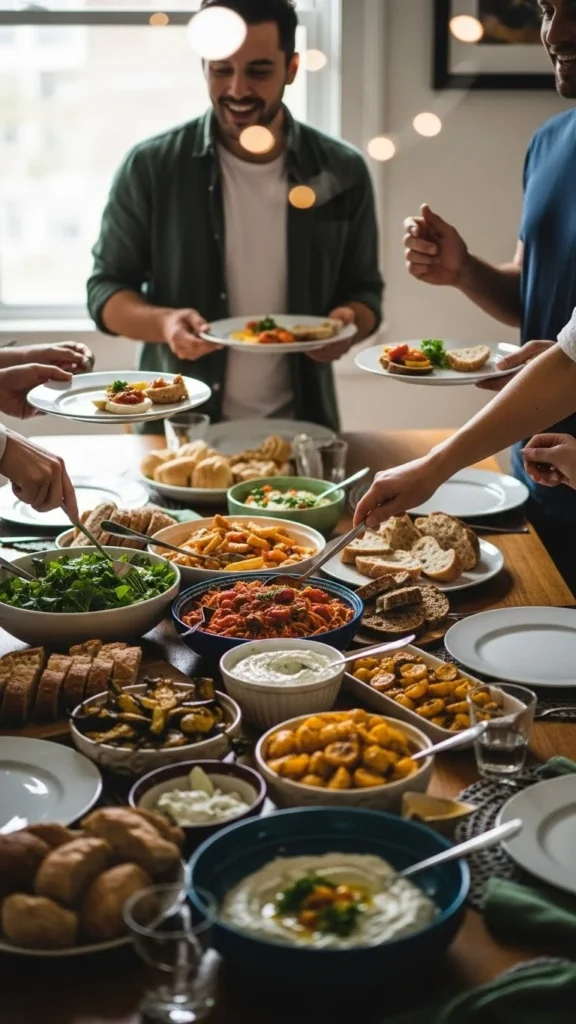
Below is a simple, step-by-step guide to hosting a potluck dinner that’s smooth from start to finish—and delicious for everyone involved.
Start With a Clear Theme or Game Plan
A potluck works best when guests know what kind of food fits the vibe. You don’t need strict rules, just enough direction to avoid duplicates or awkward gaps.
Try themes like:
- Comfort classics
- Global flavors
- Seasonal favorites
- Family-style dishes meant for sharing
Once you’ve picked a direction, share it early. A quick group message with examples helps guests feel confident choosing a dish.
Helpful tips:
- Mention how many people you’re expecting
- Clarify if dishes should be main-style, sides, or desserts
- Ask guests to note dietary needs in advance
Clear expectations set the tone and instantly reduce stress.
Use a Simple Sign-Up System
A sign-up list keeps the menu balanced and prevents five identical dishes showing up at once. Keep it simple so guests actually use it.
Options that work well:
- A shared note or message thread
- A basic spreadsheet with categories
- A group chat where guests comment their dish
Organize the list by:
- Main dishes
- Sides
- Fresh options
- Desserts
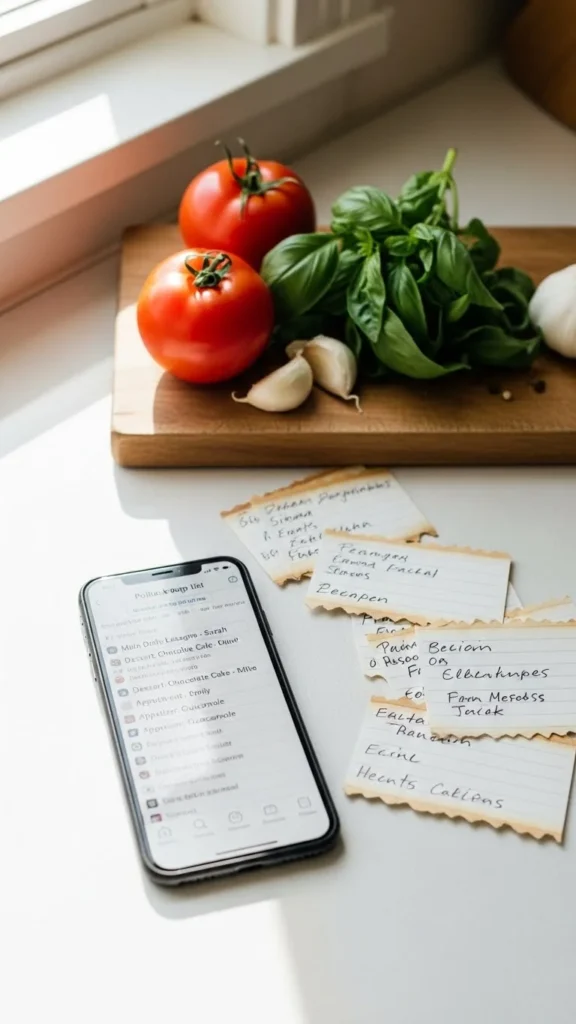
This small step ensures variety and helps guests feel like their contribution truly matters.
Plan the Layout Before Guests Arrive
An organized space makes serving easy and keeps traffic flowing. Think through where food, drinks, and seating will go before the first guest knocks.
Smart setup ideas:
- Use a buffet-style table or kitchen counter
- Arrange dishes in the order people will serve themselves
- Leave space between items for easy access
Group items logically:
- Plates and utensils first
- Mains next
- Sides and extras after
- Desserts at the end or on a separate table
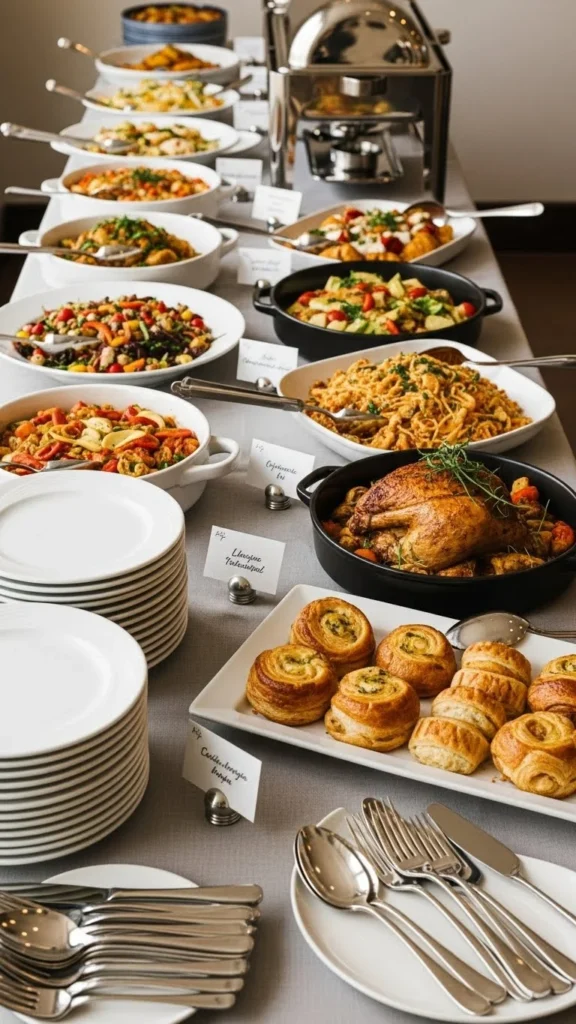
This layout keeps things moving and avoids crowding.
Label Dishes for Easy Browsing
Labels are a small detail that make a big difference. Guests can quickly see what’s available without asking questions or guessing ingredients.
What to include on labels:
- Dish name
- Key ingredients
- Notes for dietary preferences
Simple ways to label:
- Folded cardstock
- Small chalkboard signs
- Tied tags on serving utensils
Labels help everyone feel comfortable filling their plates—and going back for seconds.
Keep Timing Flexible and Stress-Free
Not every dish will arrive hot or at the same moment, and that’s okay. Build in flexibility so guests can relax.
Easy timing strategies:
- Encourage dishes that hold well at room temperature
- Offer a few plug-in warmers if available
- Start with snacks or light bites while everything arrives
If you’re hosting, focus on welcoming people instead of perfect timing. A relaxed host sets the mood for the whole evening.
Make Cleanup Effortless
Planning for cleanup ahead of time saves energy at the end of the night when everyone’s tired but happy.
Helpful cleanup tips:
- Set out a clearly marked spot for empty dishes
- Keep containers and lids together
- Have extra towels and trash bags ready
Let guests know it’s okay to leave dishes overnight if needed. The goal is a great evening, not instant perfection.
Finish With a Thoughtful Final Touch
End the night on a warm note. A simple thank-you or shared moment brings everything together.
Ideas to wrap things up:
- Invite guests to swap recipes
- Send leftovers home in reusable containers
- Take a group photo around the table

These small gestures turn a potluck into a memory people want to repeat.
Final Takeaway
A great potluck isn’t about perfection—it’s about connection. With a clear plan, simple organization, and a welcoming mindset, you can host a potluck dinner that feels easy, joyful, and full of flavor.
Save this guide for your next gathering, and enjoy hosting without the stress!

Leave a Reply