

A great community event doesn’t need a huge budget or a professional planner. What it really needs is heart, intention, and thoughtful details that make people feel welcome. Whether it’s a neighborhood gathering, school fundraiser, or local pop-up, the goal is the same: create a moment where people connect naturally.
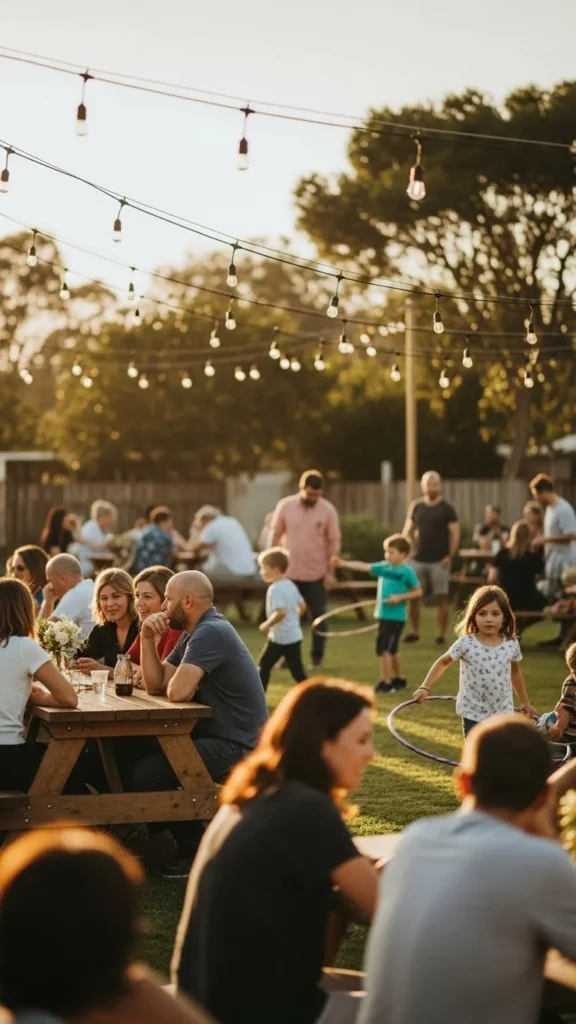
Below is a simple, step-by-step guide to planning a community event that feels warm, inclusive, and memorable—without feeling overwhelming.
Start With a Clear Purpose
Before booking anything or making a checklist, get clear on why the event exists.
Ask yourself:
- Is this about meeting neighbors?
- Supporting a local cause?
- Celebrating a season or milestone?
- Bringing different age groups together?
A clear purpose helps every decision feel easier—from activities to timing.
Tip: Write one sentence you can come back to, like:
“This event is about helping neighbors feel comfortable meeting each other.”
If an idea doesn’t support that goal, you can skip it.
Choose a Location People Already Feel Comfortable With
Familiar spaces lower social anxiety and boost attendance.
Good options include:
- Local parks or playgrounds
- School gyms or cafeterias
- Community centers
- Library meeting rooms
- Shared courtyards or open lawns
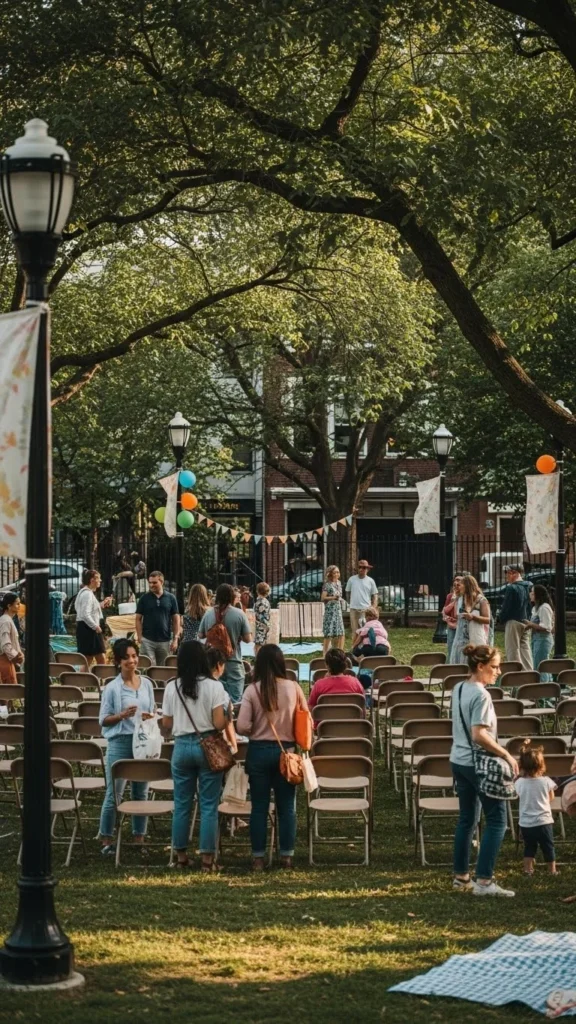
Keep it accessible:
- Easy parking or walkable
- Restrooms nearby
- Shade or indoor backup if possible
Comfort makes people stay longer—and talk more.
Pick a Date and Time That Fits Real Life
The best event idea can fail if the timing is off.
General guidelines:
- Weekends work best for mixed-age crowds
- Late morning or early afternoon feels low-pressure
- Avoid major holidays or school exam weeks
If your audience is families, aim for daytime hours.
If it’s adults only, early evening can work—but keep it relaxed.
Pro tip: A shorter event (2–3 hours) feels approachable and easier to commit to.
Plan Simple Activities That Encourage Interaction
You don’t need a packed schedule. A few thoughtful activities can spark conversation naturally.
Ideas that work well:
- Icebreaker games with optional participation
- Craft or DIY stations
- Group trivia or scavenger hunts
- Shared tables for board games or puzzles
- Open-mic storytelling (very casual)
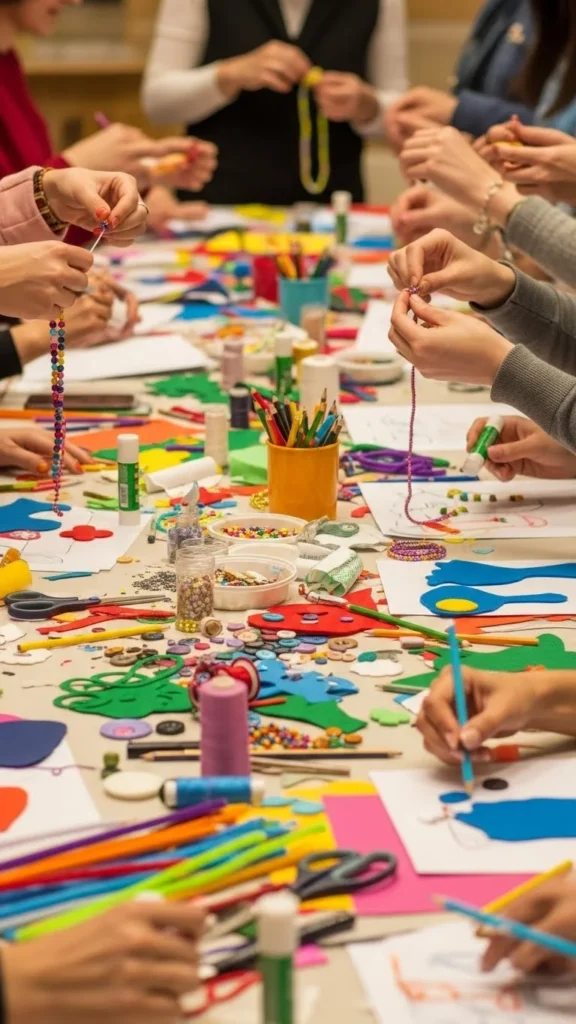
Keep it optional.
People should feel free to join, watch, or just chat.
Think Through Food Without Overcomplicating It
Food brings people together—but it doesn’t need to be elaborate.
Easy crowd-friendly ideas:
- Potluck with sign-up categories
- Packaged snacks and finger foods
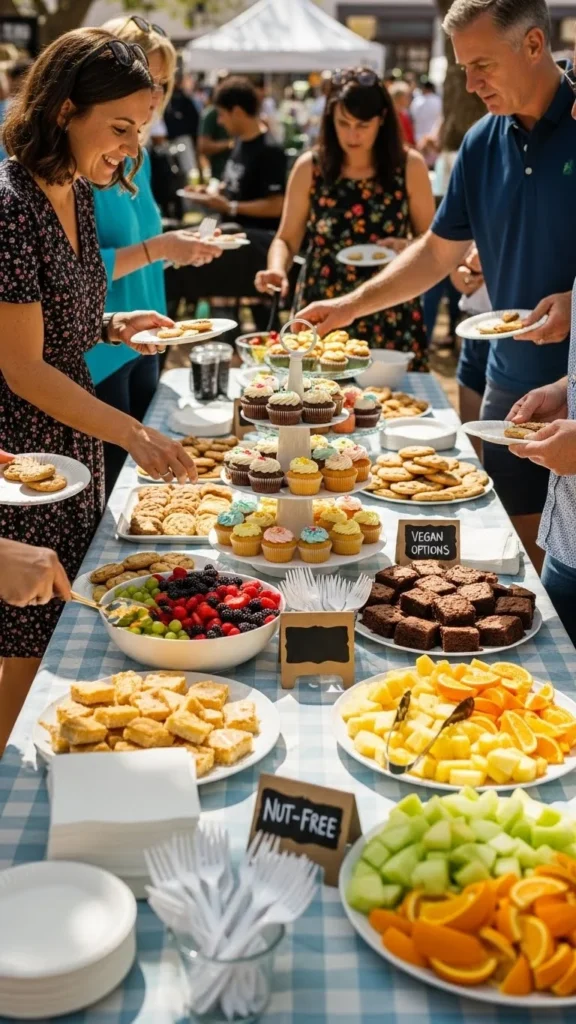
- Dessert tables
- Local bakery or food truck partnerships
Label items clearly and offer a few inclusive options so everyone feels considered.
Promote in a Friendly, Personal Way
People are more likely to attend when the invite feels human.
Ways to spread the word:
- Printed flyers on community boards
- Group chats or neighborhood apps
- School or library newsletters
- Word of mouth (still powerful!)
Use language that feels welcoming, not formal:
- “Drop by anytime”
- “No RSVP needed”
- “Bring a friend”
Make it clear that everyone belongs, even if they come alone.
Create Small Touches That Make People Feel Welcome
Details matter more than decorations.
Simple ideas:
- Greeters at the entrance
- Name tags (first names only)
- Clearly marked areas (games, seating, food)
- Background music at a low volume
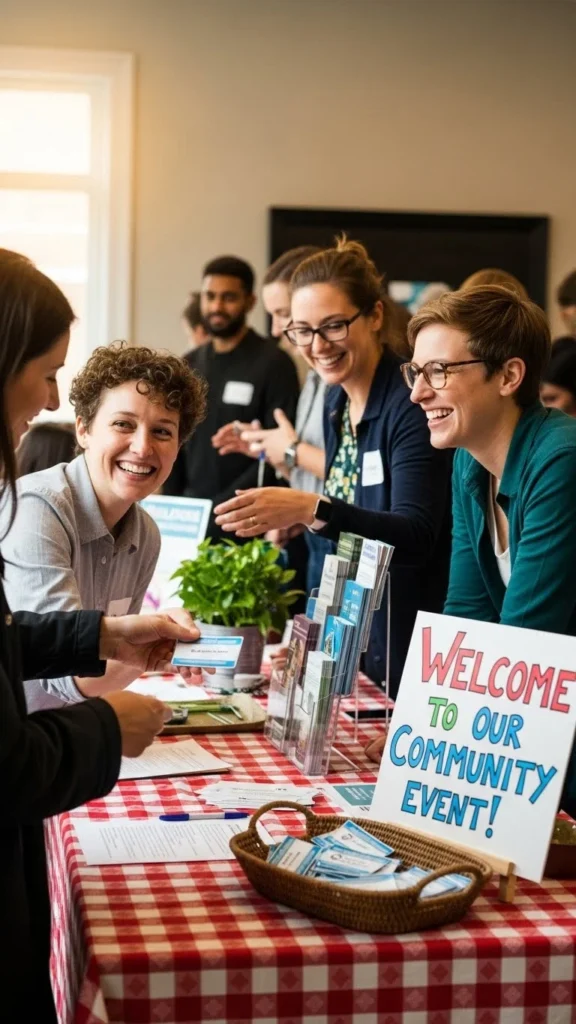
These touches quietly say, “You’re expected here.”
Have a Loose Plan—but Stay Flexible
Things will never go exactly as planned. That’s okay.
Focus on:
- Flow, not perfection
- Connection, not control
- Comfort, not strict schedules
If people are talking and laughing, you’re doing it right—even if one activity doesn’t happen.
End With Gratitude and a Next Step
Before people leave, thank them—out loud or with a small sign near the exit.
You can also:
- Share how to stay connected
- Invite feedback
- Mention a future gathering
This turns a single event into the start of a community rhythm.
Final Takeaway
You don’t need a big budget or flashy setup to bring people together. You need intention, warmth, and space for connection. Start small, keep it welcoming, and let people be themselves.
Save this guide for later and use it the next time you want to bring your community closer.

Leave a Reply