

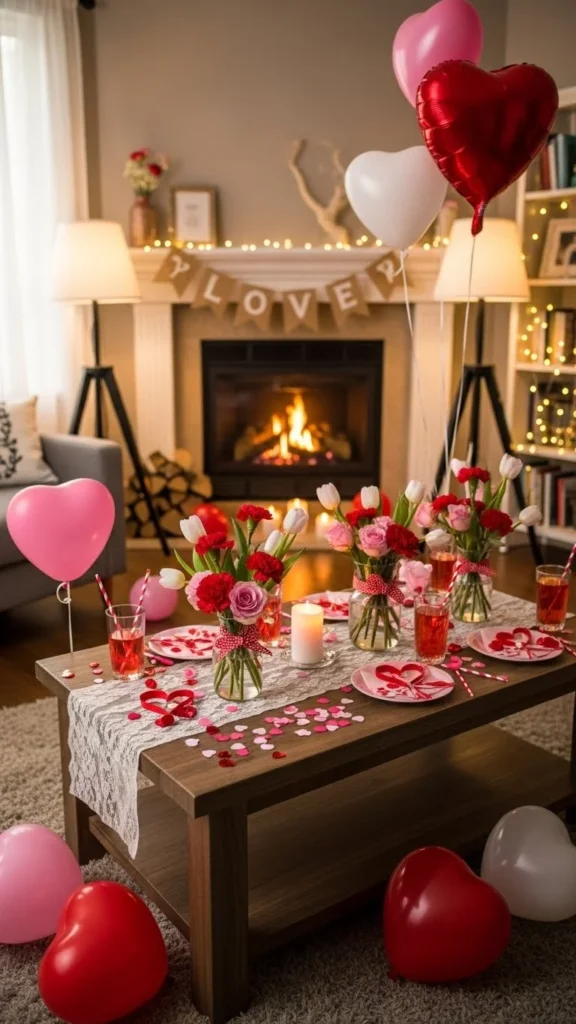
Planning a Valentine’s Day party feels exciting when you have a clear checklist guiding every step. From setting the mood to organizing simple details guests actually notice, a thoughtful plan saves time and keeps spending under control. This list focuses on practical, realistic ideas that work for homes, classrooms, offices, and small gatherings. Each checklist item is easy to handle, budget-aware, and flexible enough to match different party styles. Use these ideas to stay organized, avoid last-minute stress, and enjoy hosting without overspending or overthinking every detail.
1. Party Theme Direction
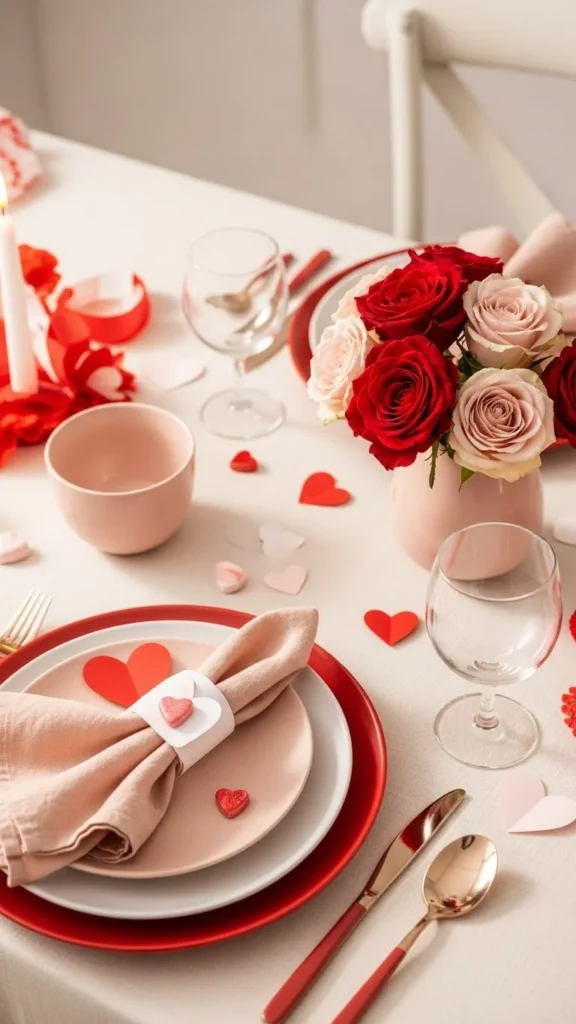
Start by picking a clear theme. This helps every decision feel easier. Choose something simple like classic hearts, cozy romance, or playful pink. A theme guides color choices, table setup, and small décor details. Keep it realistic. You do not have to match everything perfectly. Stick to two or three colors and repeat them across the space. Budget tip: shop your home first. Pillows, throws, or candles already on hand often match Valentine tones. Even wrapping paper scraps can become table accents. A simple theme keeps shopping lists short and prevents impulse buys that pile up fast.
2. Guest Count Confirmation
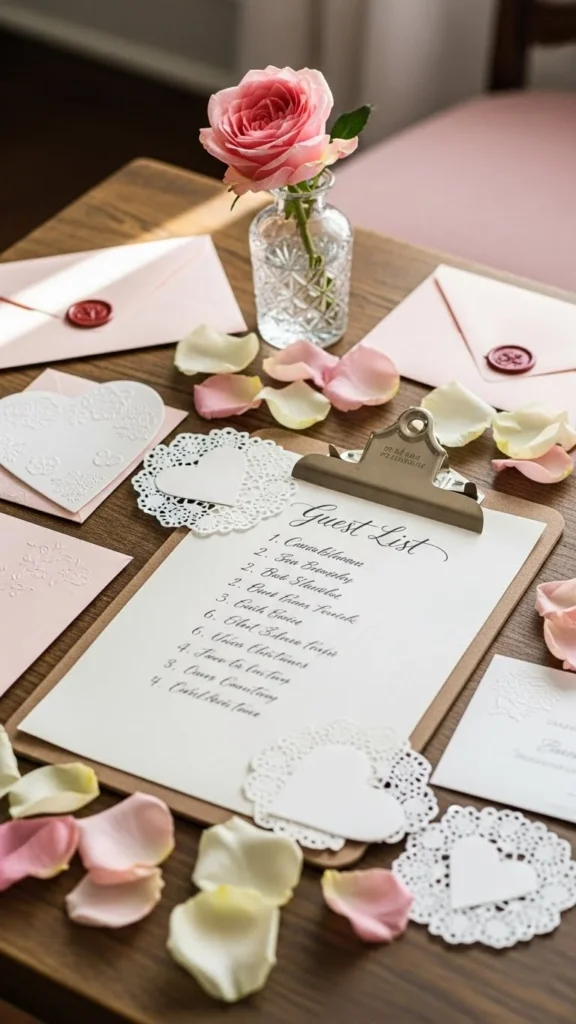
Knowing how many people are coming shapes everything else. Seating, food portions, favors, and supplies depend on this number. Confirm early and keep a small buffer for unexpected guests. For casual parties, plan flexible seating like floor cushions or folding chairs. Budget tip: borrow chairs or tableware instead of buying extras. Clear guest counts stop waste and help you focus on what truly matters instead of guessing and overspending.
3. Entryway Welcome Setup
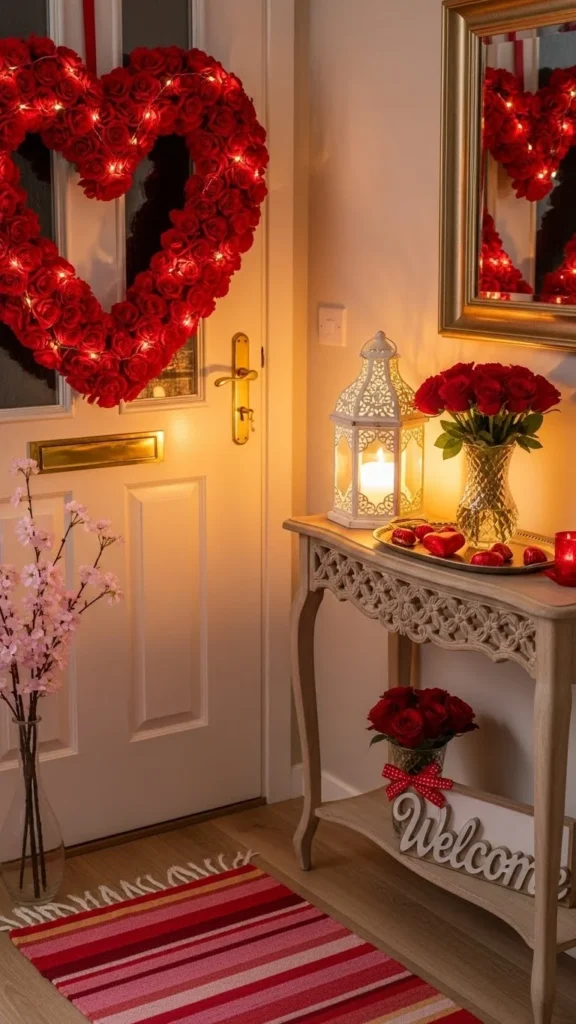
First impressions set the tone. A welcoming entry does not require big décor. A wreath, string lights, or a small table with hearts works well. Add a tray for coats or bags to keep the main area tidy. DIY idea: make a paper heart garland using leftover craft paper. This area quietly tells guests they are in the right place and helps them relax as soon as they arrive.
4. Seating Layout Plan
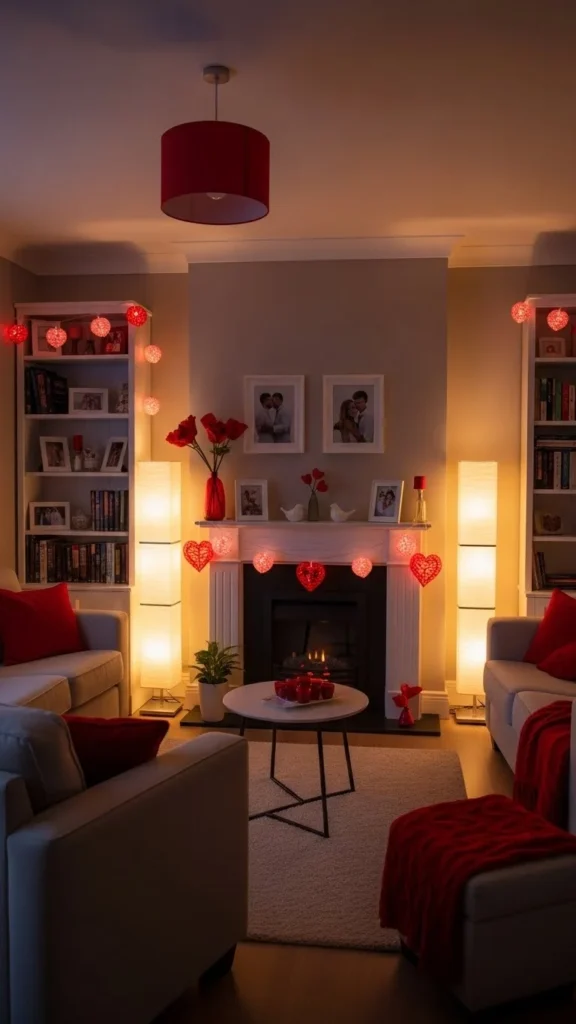
Think about how guests will sit and talk. Small group seating feels warmer than one large row. Mix chairs, couches, and stools if needed. Floor cushions work for casual parties. Budget tip: rearrange furniture instead of renting anything. Clear walkways matter more than perfect symmetry. Comfort keeps people lingering longer without extra spending.
5. Table Coverings
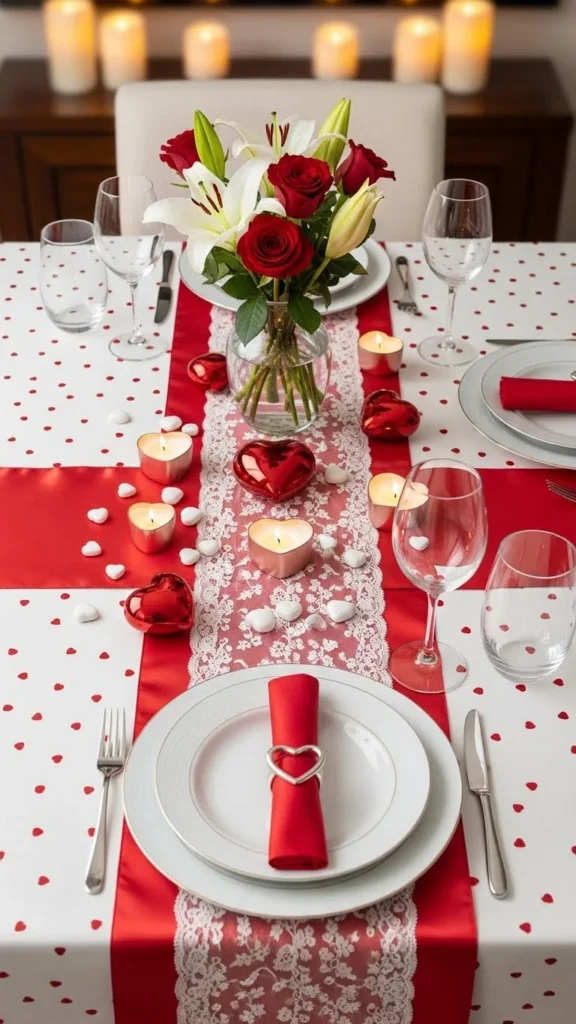
Table coverings protect surfaces and tie colors together. Use fabric tablecloths, runners, or kraft paper for easy cleanup. DIY idea: draw simple hearts on brown paper for a playful look. Cloth napkins from everyday use can replace disposables. This checklist item keeps the setup polished while staying practical.
6. Simple Centerpieces
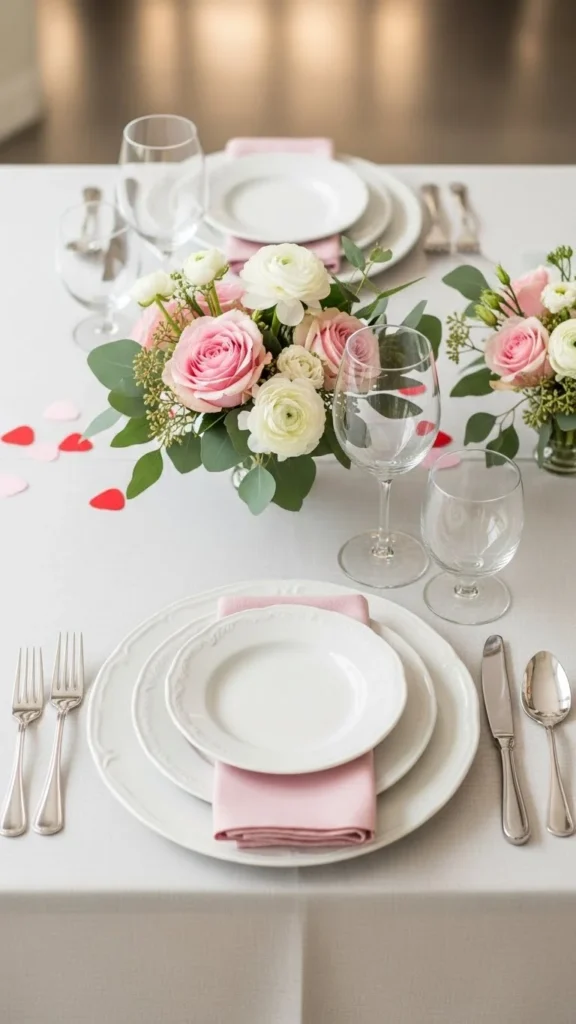
Centerpieces anchor the table visually. Keep them low so guests can see each other. Candles, jars with stems, or bowls of wrapped treats work well. Budget tip: group items you already own in odd numbers. Avoid tall or crowded displays. Simple arrangements feel calm and welcoming without extra effort.
7. Lighting Check
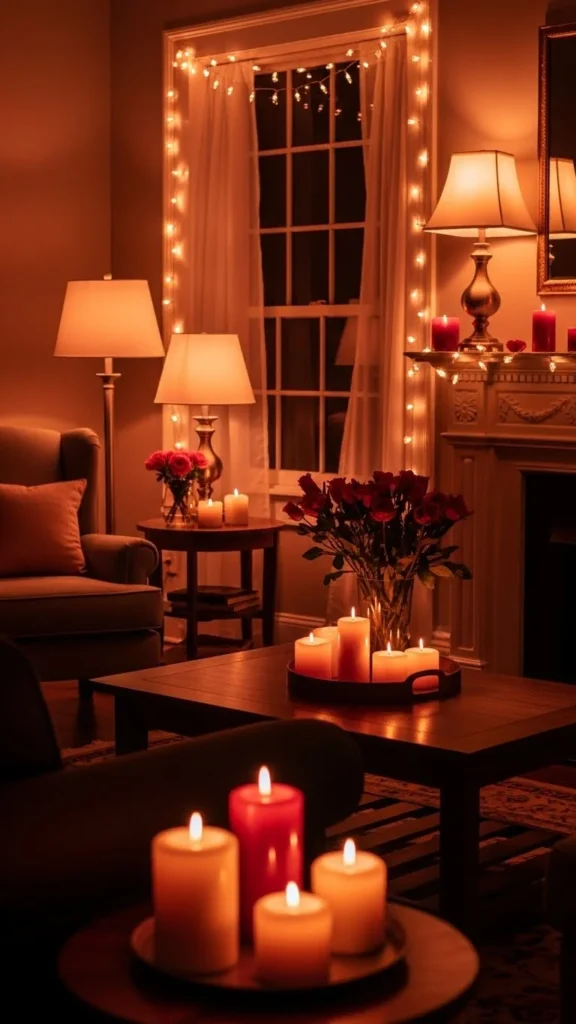
Lighting shapes mood more than décor. Turn off harsh overhead lights and rely on lamps, string lights, or candles. Even battery candles help. Test lighting before guests arrive. This avoids last-minute scrambling and makes photos look better naturally.
8. Music Playlist

Create a playlist ahead of time. Choose calm background tracks that allow conversation. Keep volume low. Download it so internet issues do not interrupt the vibe. Budget-friendly and simple, music fills quiet moments without drawing attention.
9. Drink Station Setup
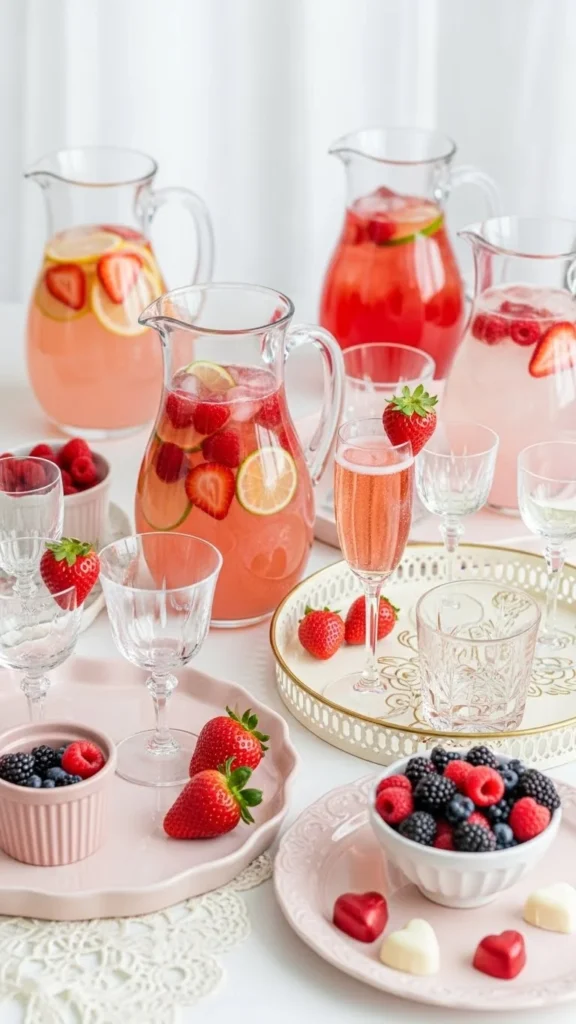
Set up one drink area to reduce traffic. Use pitchers with water, juice, or sparkling options. Label verbally if needed. DIY tip: add citrus slices or berries for color. A clear station keeps counters tidy and guests comfortable serving themselves.
10. Snack Table Plan
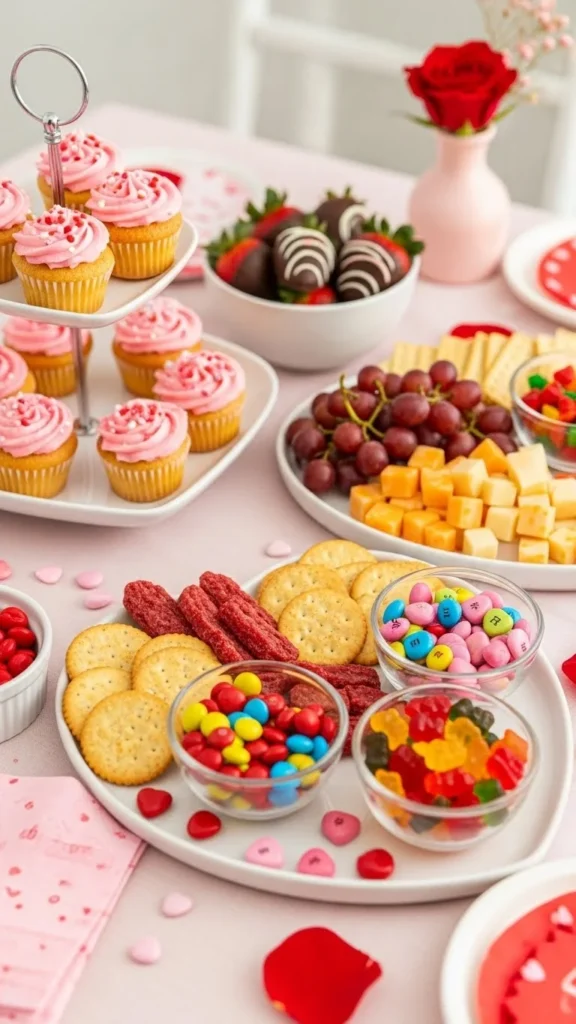
Offer easy snacks that do not require plates. Finger foods reduce cleanup. Keep portions small and refill as needed. Budget tip: mix homemade items with store-bought basics. A focused snack area prevents clutter throughout the space.
11. Main Food Timing
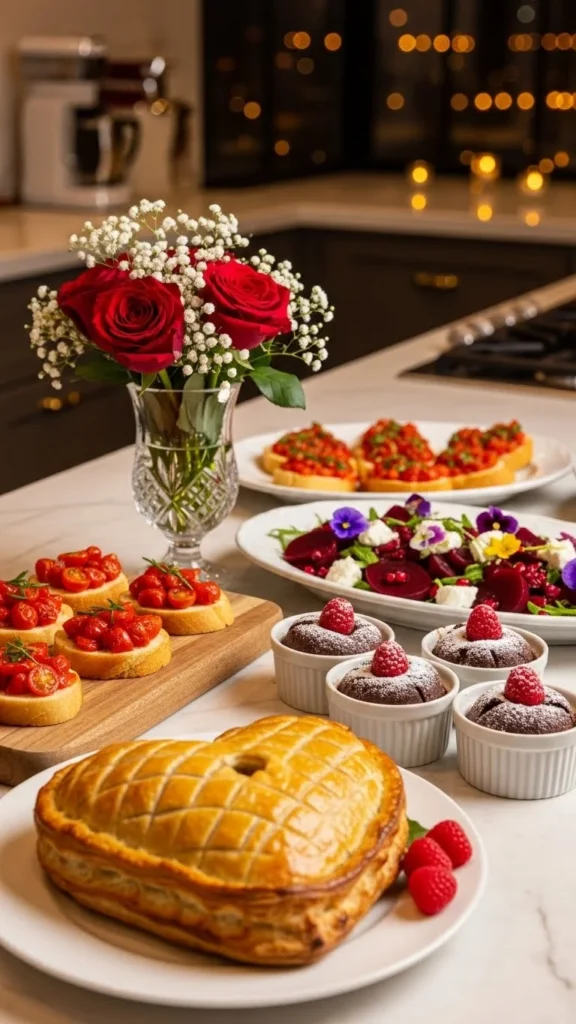
Decide when food will be served. Set a clear time so guests know what to expect. This avoids constant questions. Prep as much as possible earlier in the day. Simple planning saves energy and keeps the host relaxed.
12. Dessert Display

Dessert doubles as décor. Arrange sweets on tiered trays or plates at different heights. DIY stands using books and plates work well. Keep it neat and inviting. This becomes a natural gathering spot without extra décor spending.
13. Serving Tools Checklist
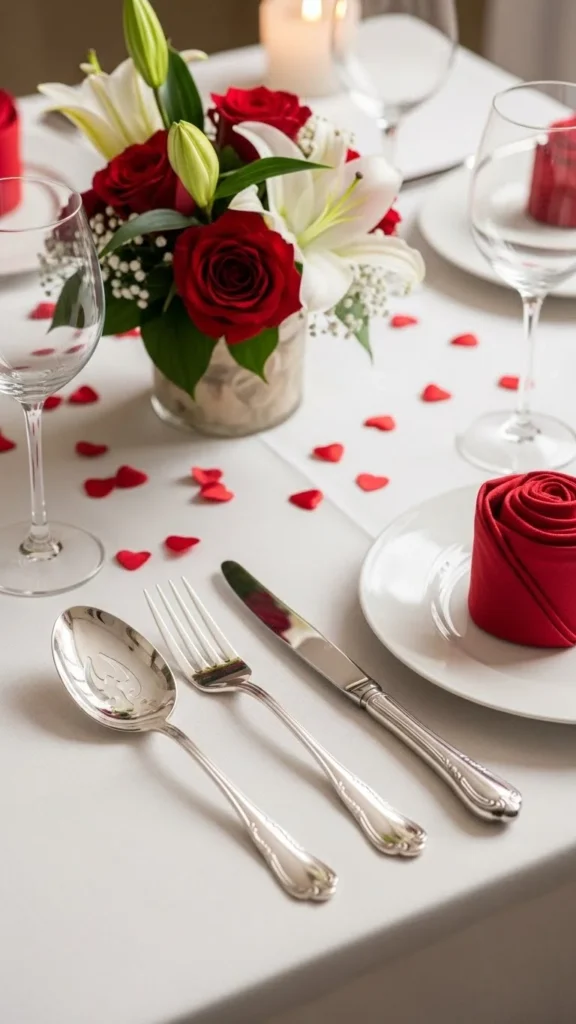
Count tongs, spoons, knives, and napkins early. Missing tools cause stress. Borrow extras if needed. This quiet checklist item saves time and avoids awkward pauses during serving.
14. Trash and Recycling Stations
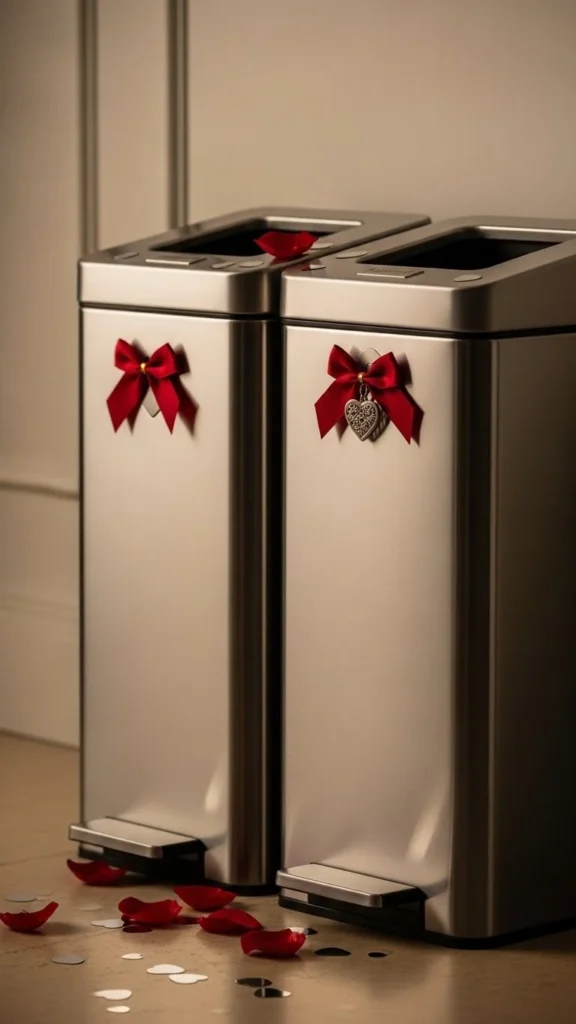
Place bins where guests can find them. Line them ahead of time. Small bags work well for quick swaps. This keeps the space tidy throughout the event without constant cleanup.
15. Restroom Refresh
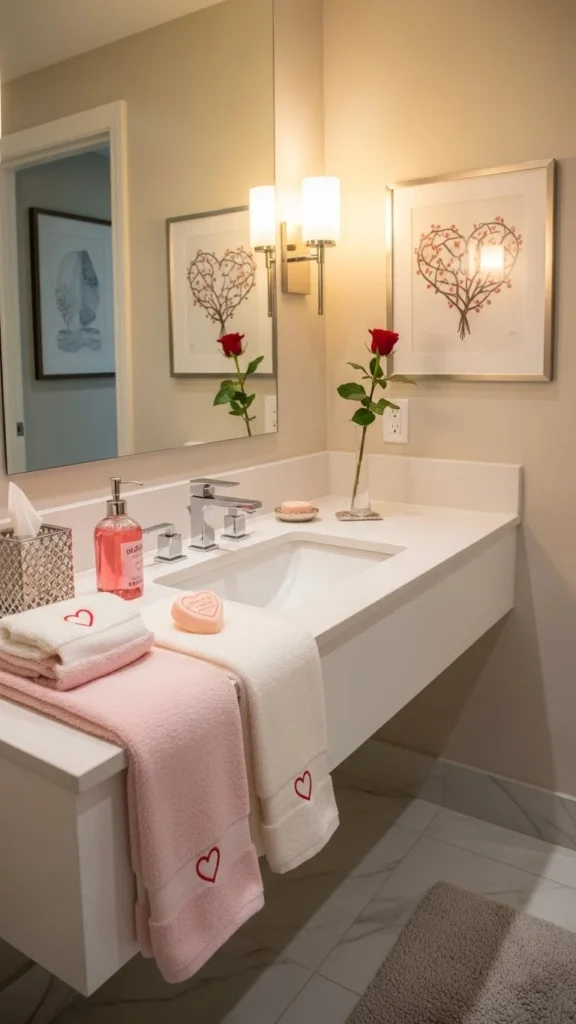
Check supplies before guests arrive. Add clean towels and soap. A small heart decoration or candle adds charm. This detail shows care without extra cost.
16. Activity Station
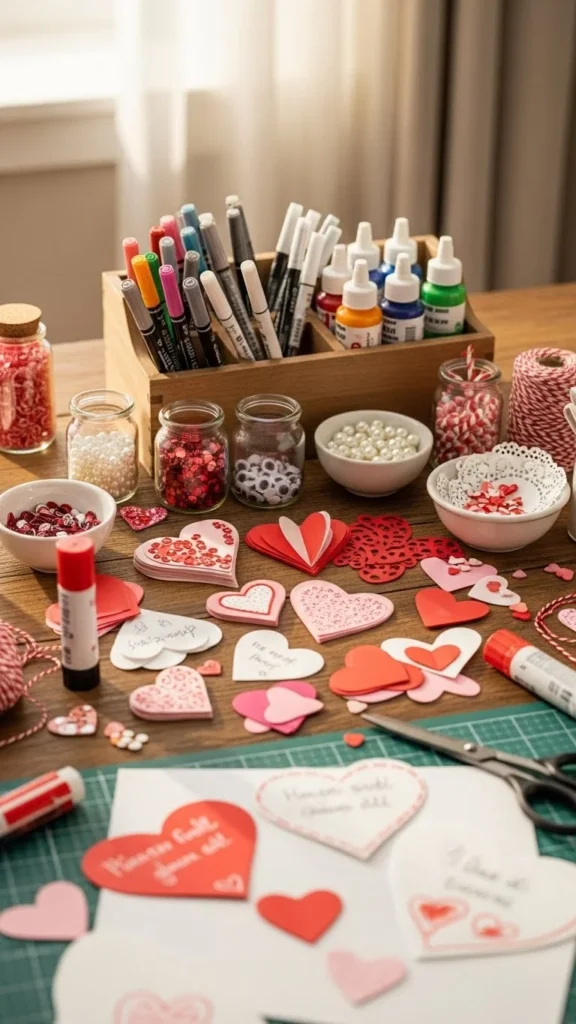
Activities help guests mingle. Simple crafts, card-making, or games work well. Use leftover craft supplies. Keep instructions simple. Activities fill gaps naturally and reduce awkward downtime.
17. Photo Corner
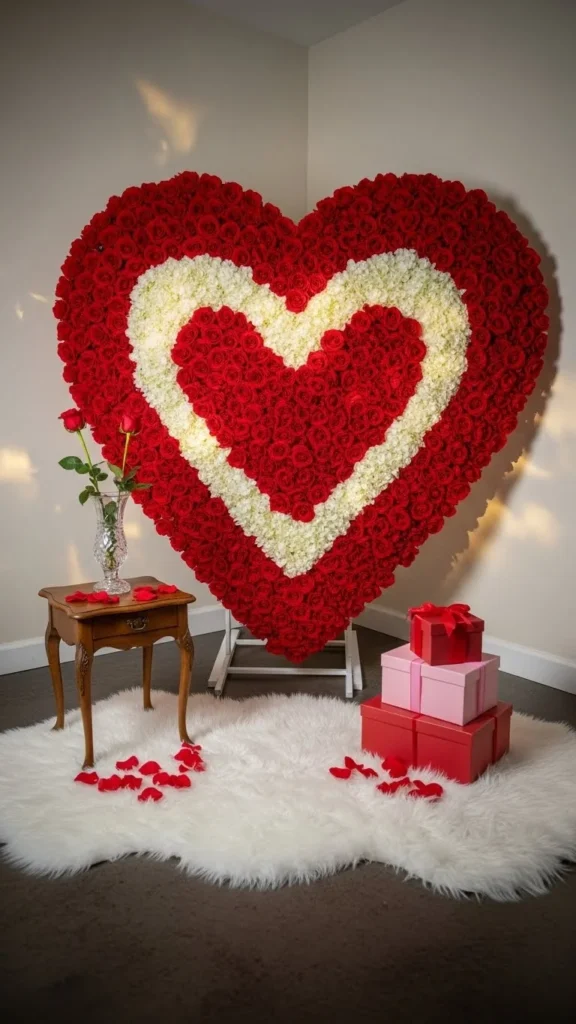
Create a small photo area. A backdrop made from paper hearts or fabric works well. Good lighting matters more than props. Guests enjoy capturing moments without pressure.
18. Party Favor Prep
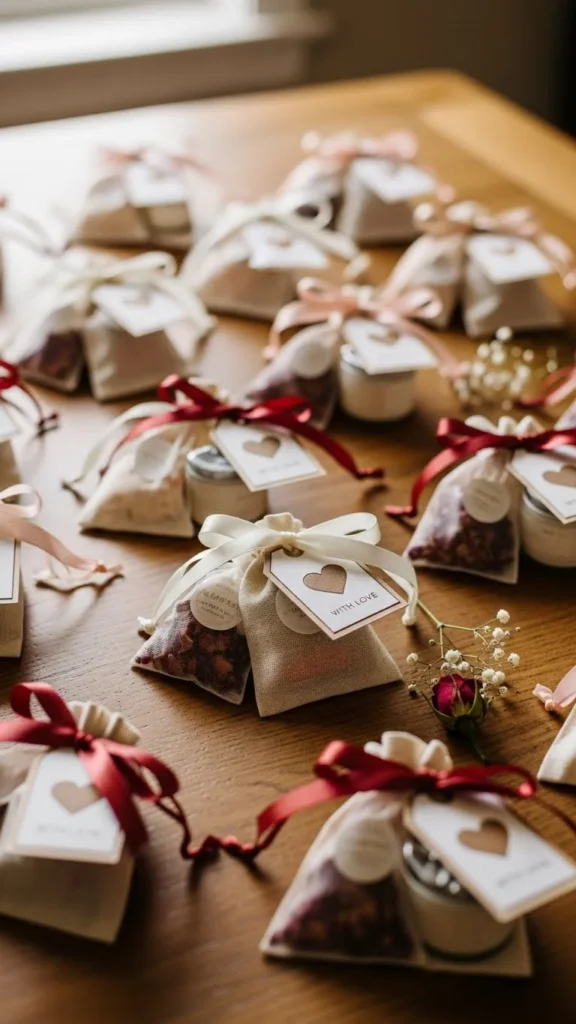
Favors do not need to be costly. Small treats, notes, or handmade items work. Prepare them early and set aside. This avoids rushed packaging later.
19. Kid-Friendly Options
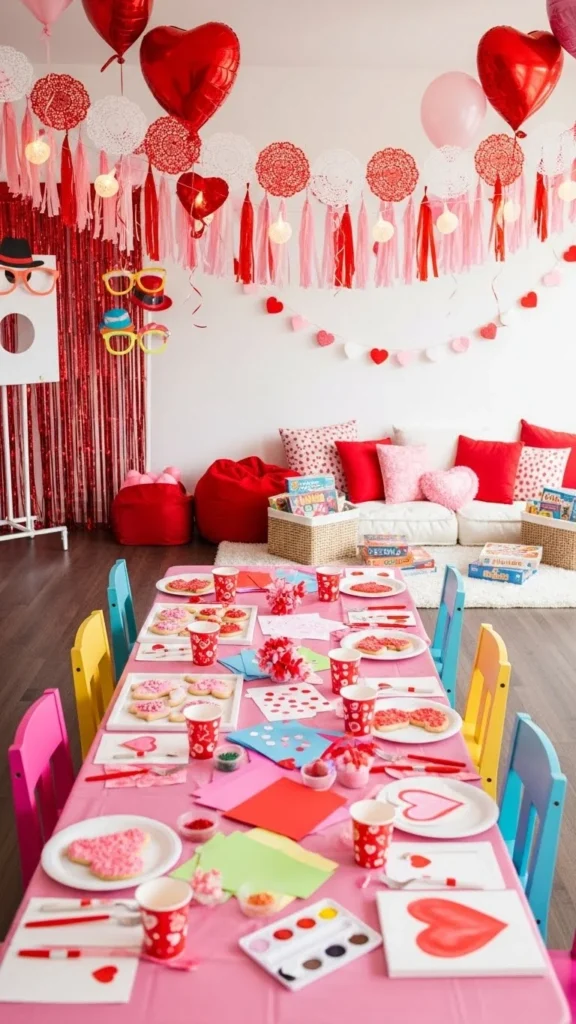
If children attend, plan a corner just for them. Coloring pages or puzzles help. This keeps adults relaxed and kids engaged without extra supervision.
20. Pet Safety Check
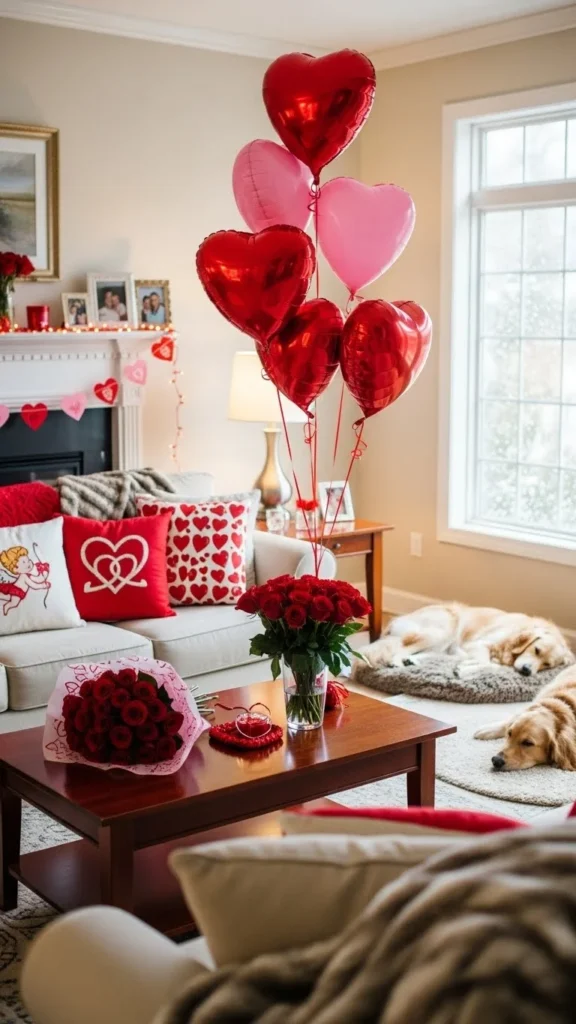
Secure pets before guests arrive. Remove small décor items within reach. This protects both animals and decorations and avoids interruptions.
21. Temperature Control
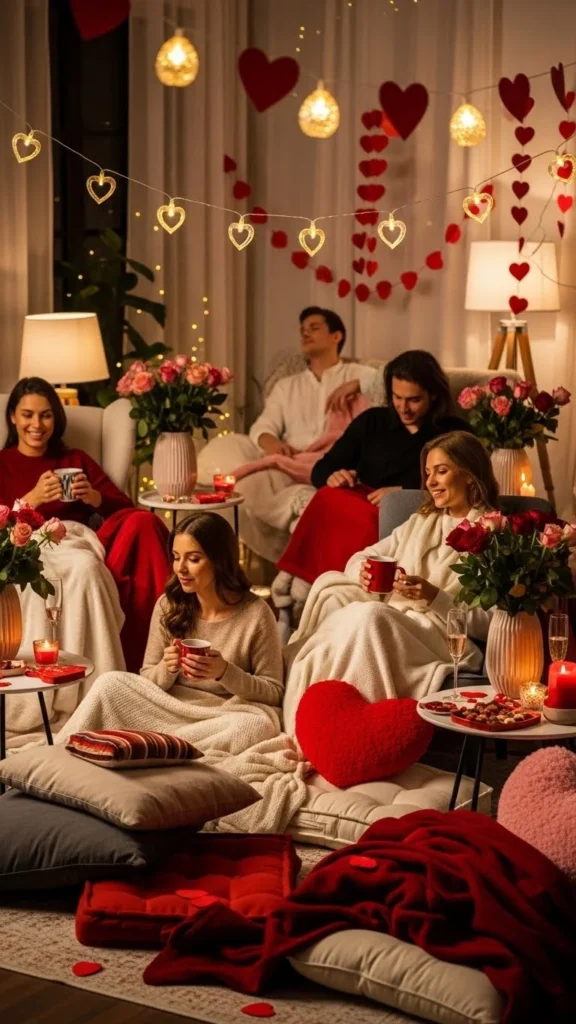
Check room temperature. Crowds warm spaces quickly. Adjust early. Keep blankets nearby for comfort. This small step keeps guests settled longer.
22. Timeline Reminder Notes
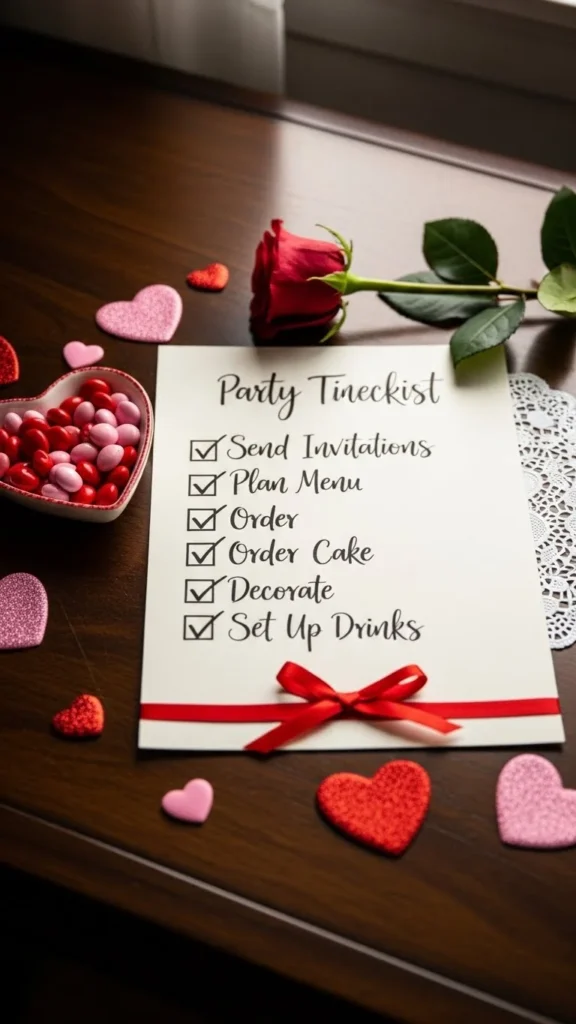
Write a simple timeline. Arrival, food, activities, and wrap-up. Keep it nearby. This keeps hosting smooth without checking the clock constantly.
23. Emergency Supply Kit
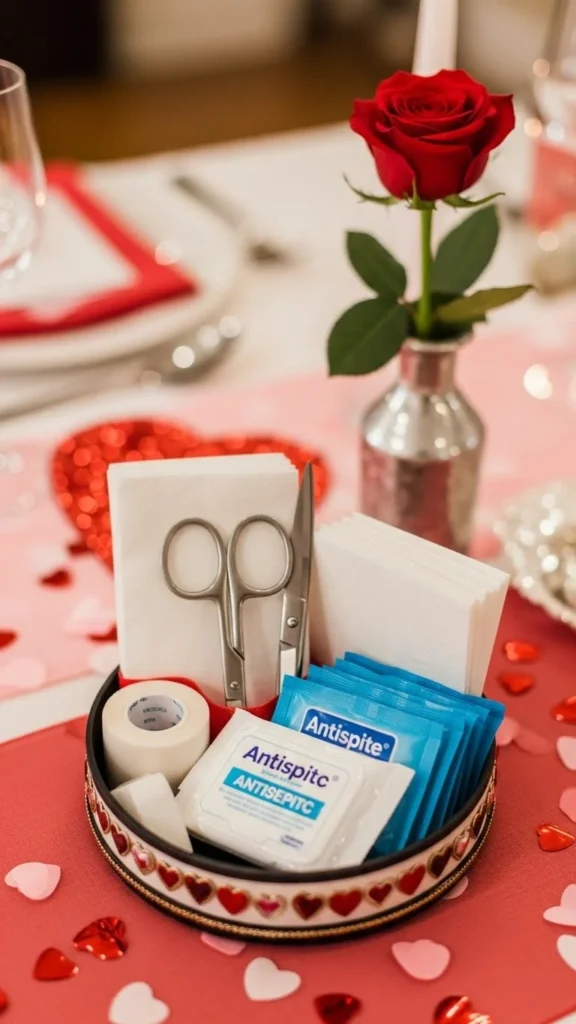
Prepare a kit with basics. Tape fixes décor slips. Wipes handle spills. Having this nearby saves stress and keeps the party flowing.
24. Cleanup Plan
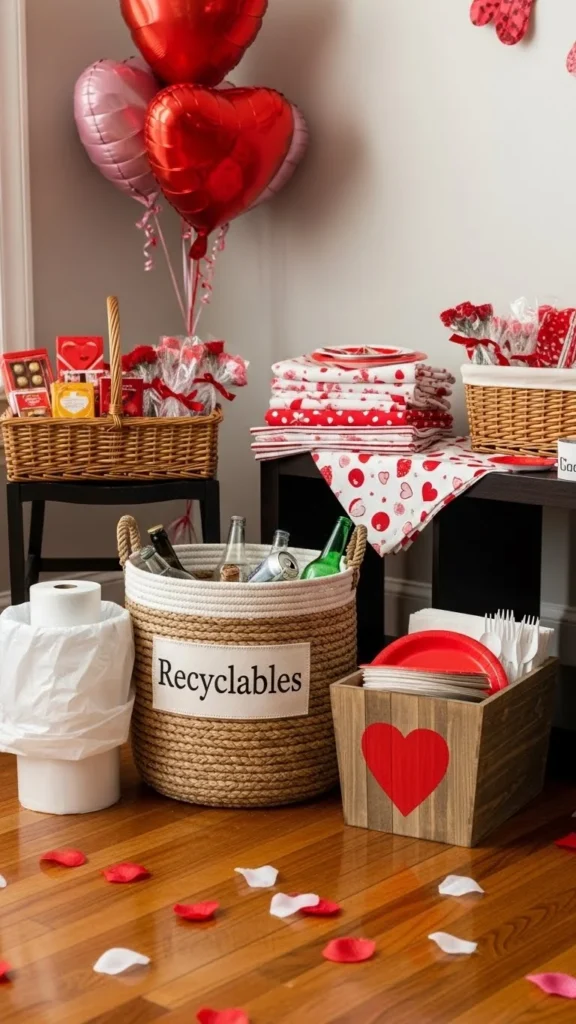
Plan cleanup before the party starts. Stackable dishes, labeled bins, and storage baskets help. Quick cleanup means less work later.
25. Thank-You Notes Ready
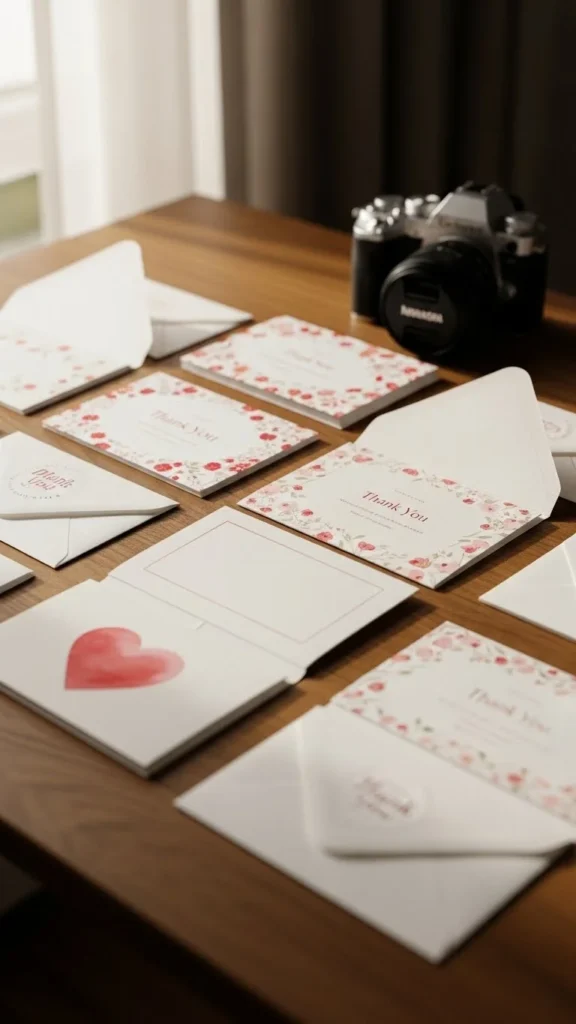
Prep simple thank-you notes in advance. Writing them later feels easier when everything is ready. A short message goes a long way.
26. Final Walkthrough
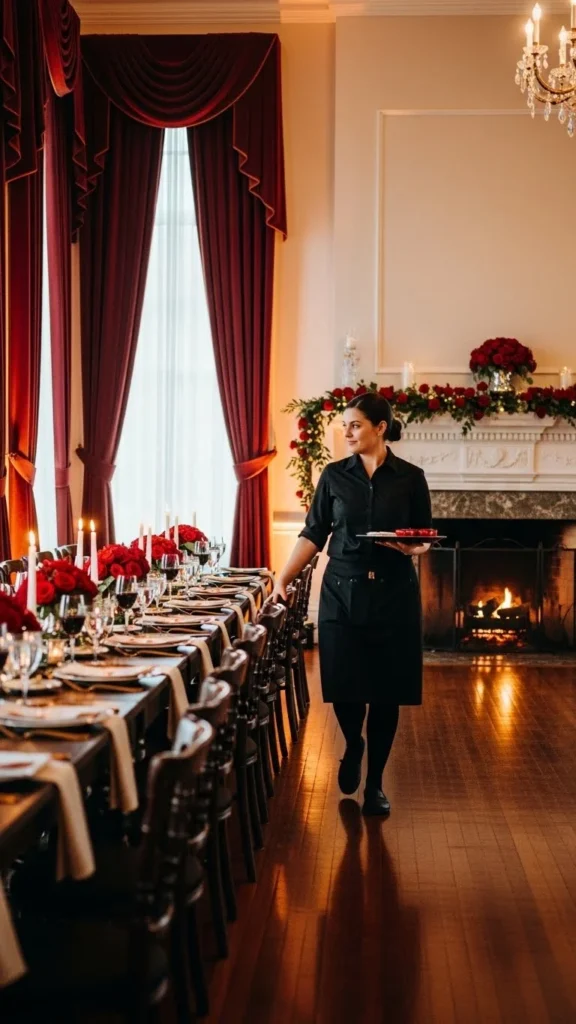
Do one calm walkthrough. Check lighting, music, food, and seating. Adjust quietly. This moment helps you feel confident before guests arrive.
Conclusion
A Valentine’s Day party feels far less stressful when guided by a clear, realistic checklist. These ideas focus on simple planning, smart use of what you already own, and thoughtful details guests actually notice. Save this list, adapt it to your space, and check items off as you go. With preparation handled early, hosting becomes enjoyable, relaxed, and memorable for everyone involved.

Leave a Reply